
Today is both the first of three Ember Days of Summer and the Memorial Feast of Saint Barnabas the Apostle. Ember Days is a throwback to an earlier time in the Church. While observed by most of the Ordained, many within the lay community don’t even know Ember Days exist.
When I was a girl attending Catechism, I had a lot of questions. It wasn’t that I questioned the authority or validity of Catholic teachings, but that I wanted so very much to understand the often seemingly complex reasons why we believed what we did. Why do we abstain from meat on Friday? Why do women were veil? Why do we kneel in church while other Christians only stand or sit? Why, why, why? When I asked these questions, the response was always the same – because the Church says so. It wasn’t our place to question. When my children were baptized and learning the faith, they learned it the same way I had. But with Kiddo, things were different. He was different. Kiddo questioned everything. Not because he challenged things but, like me, he had a deep need to understand fully. And so I went in search of answers. I am so glad that I did. The entire concept of Mass changed for me once I understood what it meant. We kneel because we are in His presence. During the consecration of the Host, bells are rung. This indicates that the Holy Spirit is present, and the miracle of the transformation from bread and wine into the body and blood of our Lord is taking place. We kneel, and rightfully so. Fridays are viewed as mini Good Fridays. While we do not fast, we do abstain. We are reminded of the sacrifice the Lord made on that first Good Friday. Is it so much to ask that we sacrifice indulging in a steak dinner? Hardly.
At a recent social barbecue of friends and family, I mentioned that I now have 20 veils of varying styles, colors and lengths to choose from when getting ready to attend Mass or other forms of worship. A Protestant woman at the table remarked that she didn’t own any veils and she could go into her church at anytime without one. Her remarks implied that as a women I was forbidden to enter the Church without first covering my head. She spoke out of ignorance. It’s not a requirement of faith but rather a choice I lovingly make. I wanted to say something very rude and hurtful in reply, but by the grace of God, I bit my tongue. Amazingly enough I didn’t even say “Well bless your heart.”
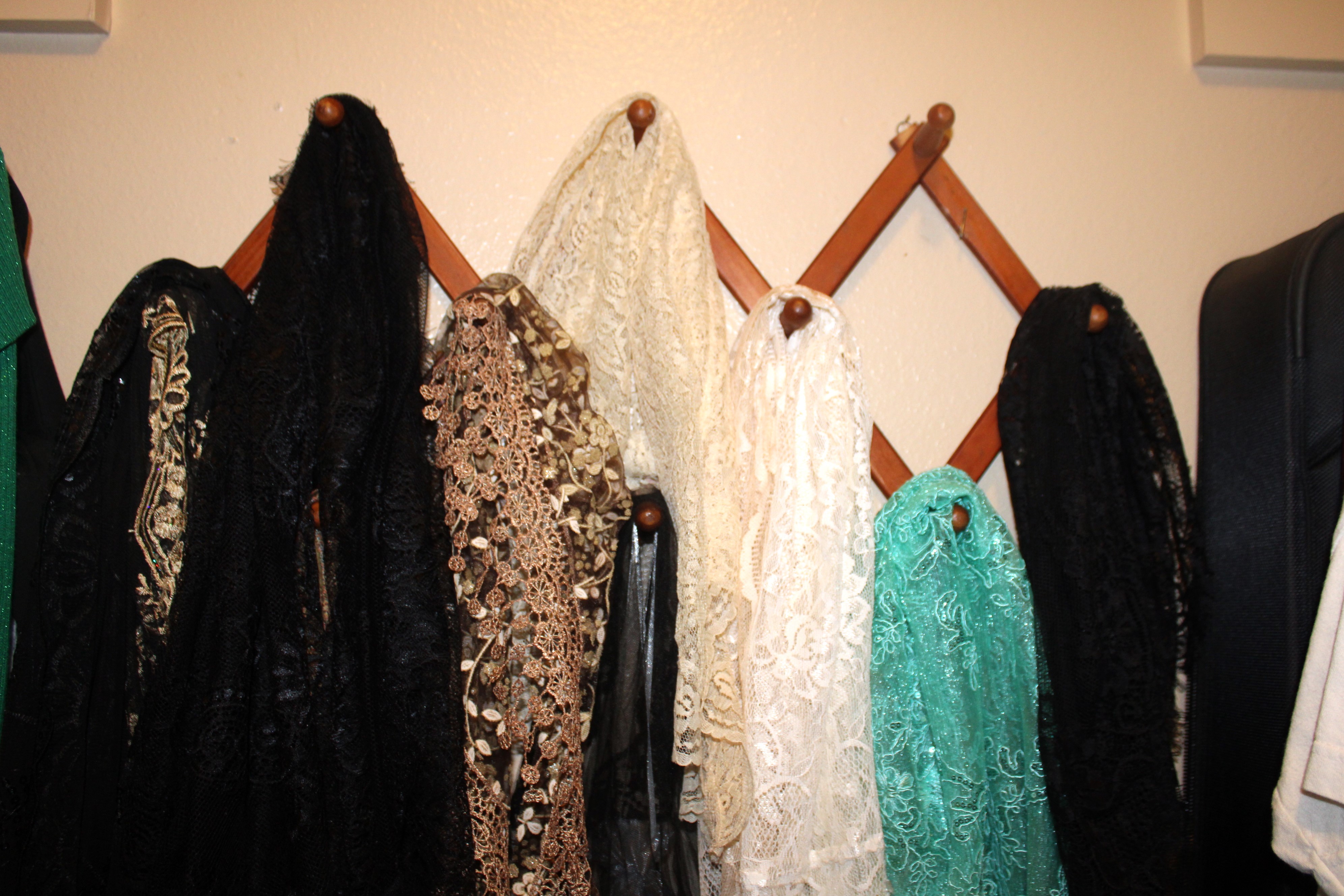
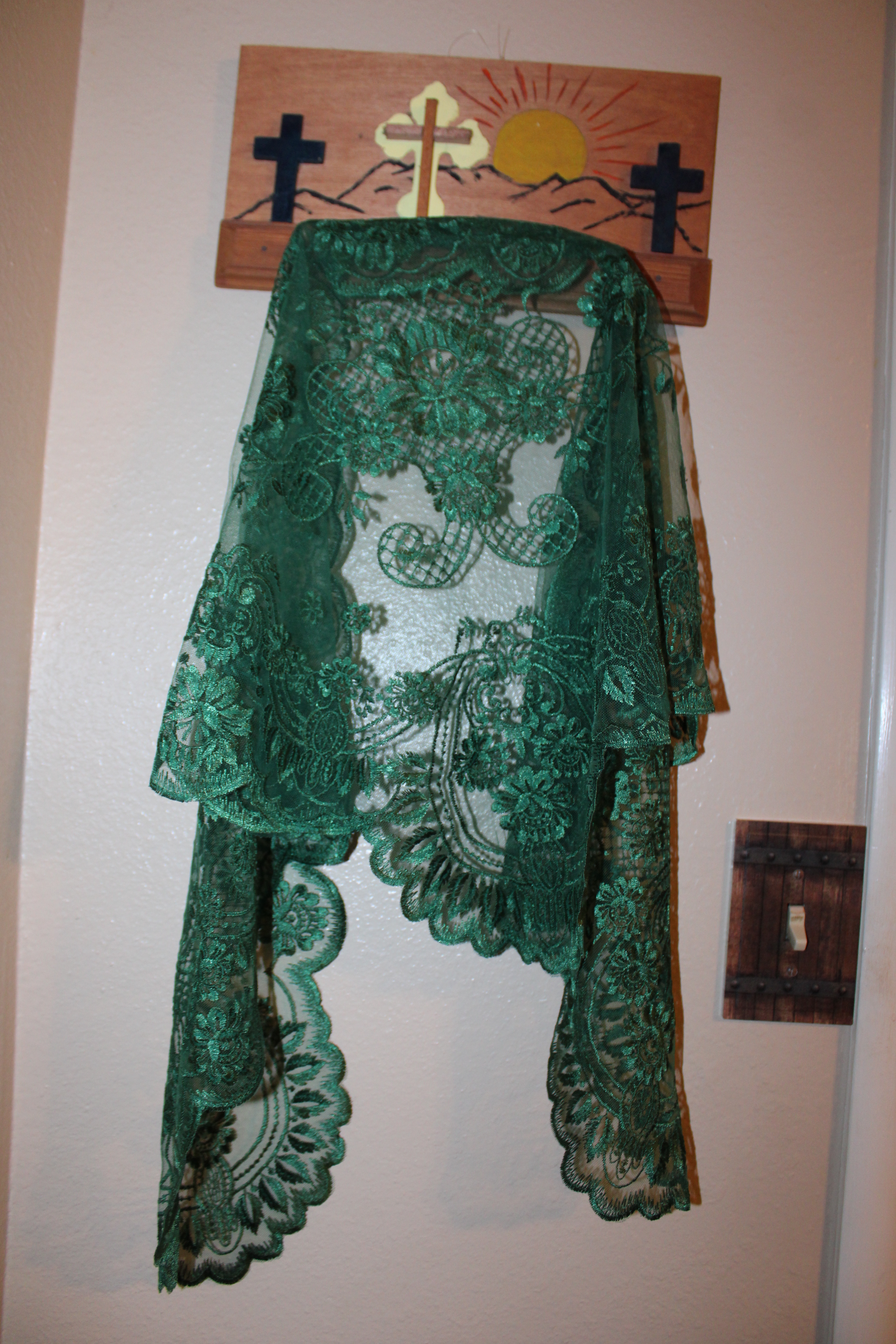


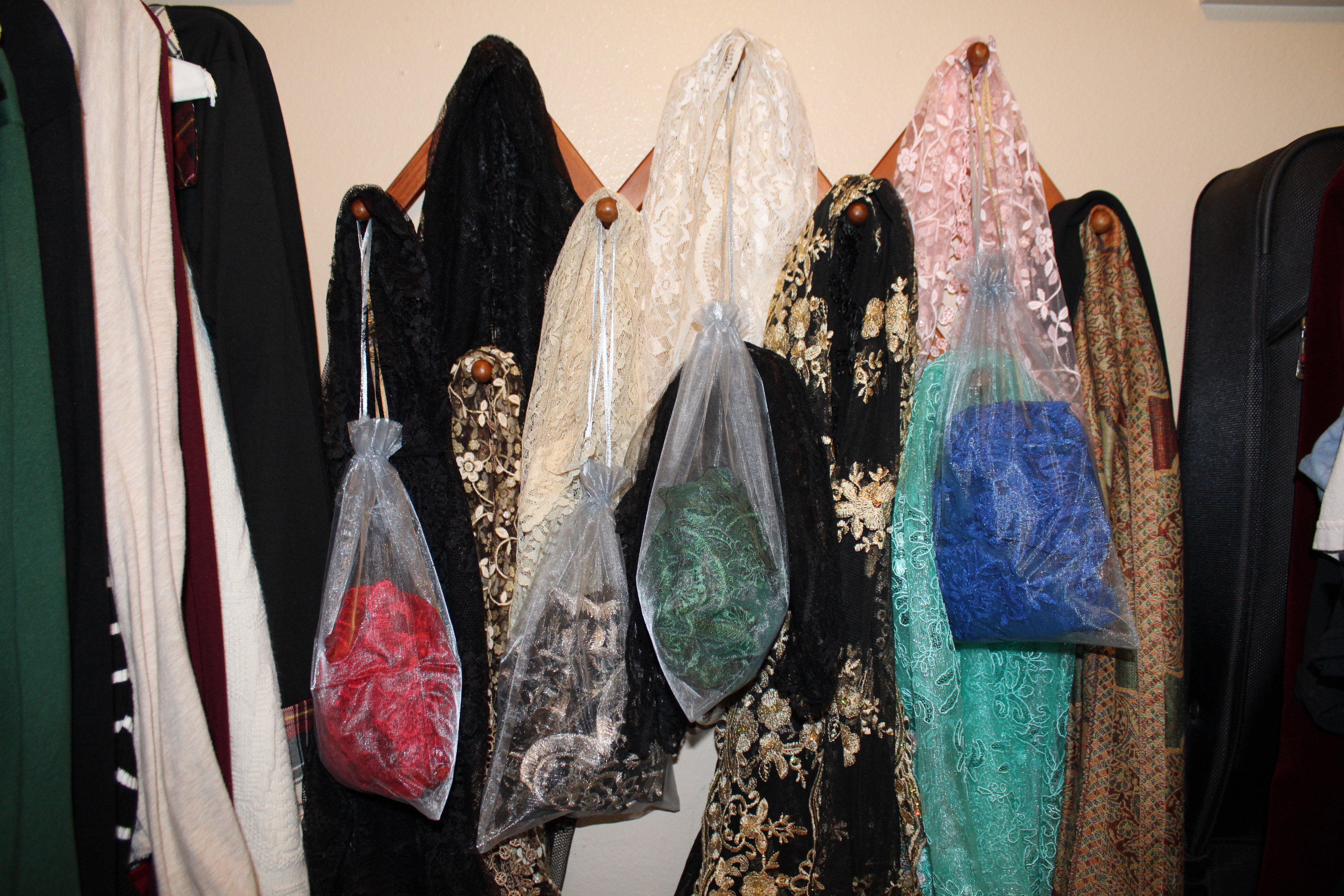
A veil is a symbol of humility. We are humbled before the Lord, or we should be. It also represents the relationship between Christ and the Catholic Church in that He is the bridegroom, the Church is His bride. Once upon a time, when men dominated the world for a women to cover her head was also to show submission and obedience to the male head of the household be it our fathers or husbands. The church has long since abandoned the notion of submission in the sense of male dominance. We are all submissive to God, no doubt. But the veil over a woman’s head is no longer viewed as a form of submission to men to lord over us. Far from it. While the veil continues to be an outward a sign of modesty and sense of virtue; it is also a sign of a woman’s value. The Church veils things deemed to be of great value and importance. The alter is veiled. The Chalice that holds His blood and the Tabernacle where He dwells is also veiled. Women are the source of life. We are precious in the eyes of God and should be both honored and protected. I know when I place my veil over my head, bow down and kneel before the Lord I am filled with such humility and overwhelming joy all at the same time.
What does all this have to do with Ember Days? It was while studying more deeply the customs and traditions of the Catholic Faith that I learned about Ember Days. They occur four times each year, with the changing seasons. They are observed on the first Wednesday, Friday and Saturday following a particular event in the Church. The Ember Days of Summer follow Pentecost. Wednesday marks the day of the week Judas betrayed our Lord. Friday is the Crucifixion. Saturday the long and dark day of waiting until the Resurrection. For these days to be days of Fasting makes beautiful sense. However; since the lay are no longer required to fast, I choose instead to celebrate the day by taking the time to thank God for all He has done. The Ember Days of Pentecost are a time to give thanks for the harvest of wheat. Without wheat, there would be no bread. Without bread, there would be no Eucharist. See how God has a plan for everything?
Cajun Chicken Strips with Buttermilk Biscuits
Cajun Chicken Strips
1-1/2 lb boneless Chicken Breasts
4 tablespoons Flour
1/4 teaspoon Baking Powder
1 teaspoon Poultry Seasoning
3/4 teaspoon No-Salt Cajun Seasoning
1 teaspoon Smoked Paprika
1/4 teaspoon Black Pepper
1/4 teaspoon Cayenne Pepper
2 tablespoons Butter
1 tablespoon Lard
Place a wire rack inside a rimmed baking sheet. Place the baking sheet in a warm oven.
Cut the chicken into half-inch strips. Pat dry with paper towels and set aside. In a pie tin whisk flour with baking powder and all the seasonings.
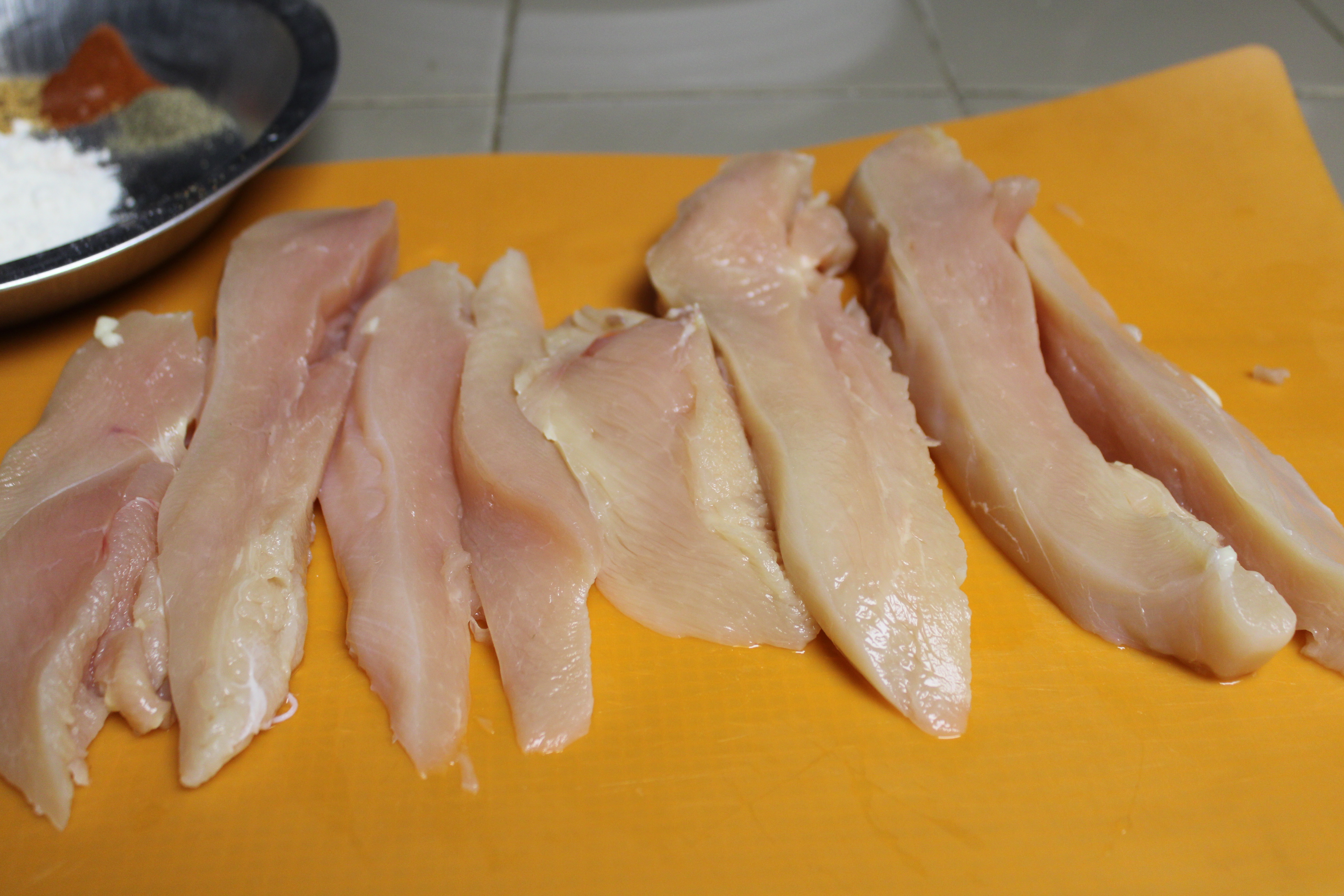

In a large skillet melt butter with lard over medium heat. As the butter and lard melt, swirl the skillet to coat.
Dredge the chicken strips in the flour mixture. Fry in the skillet until golden brown and cooked through, about 5 minutes or so per side. Remove from the skillet, hold on the rack in the warm oven. Repeat with remaining chicken strips if fried in batches.
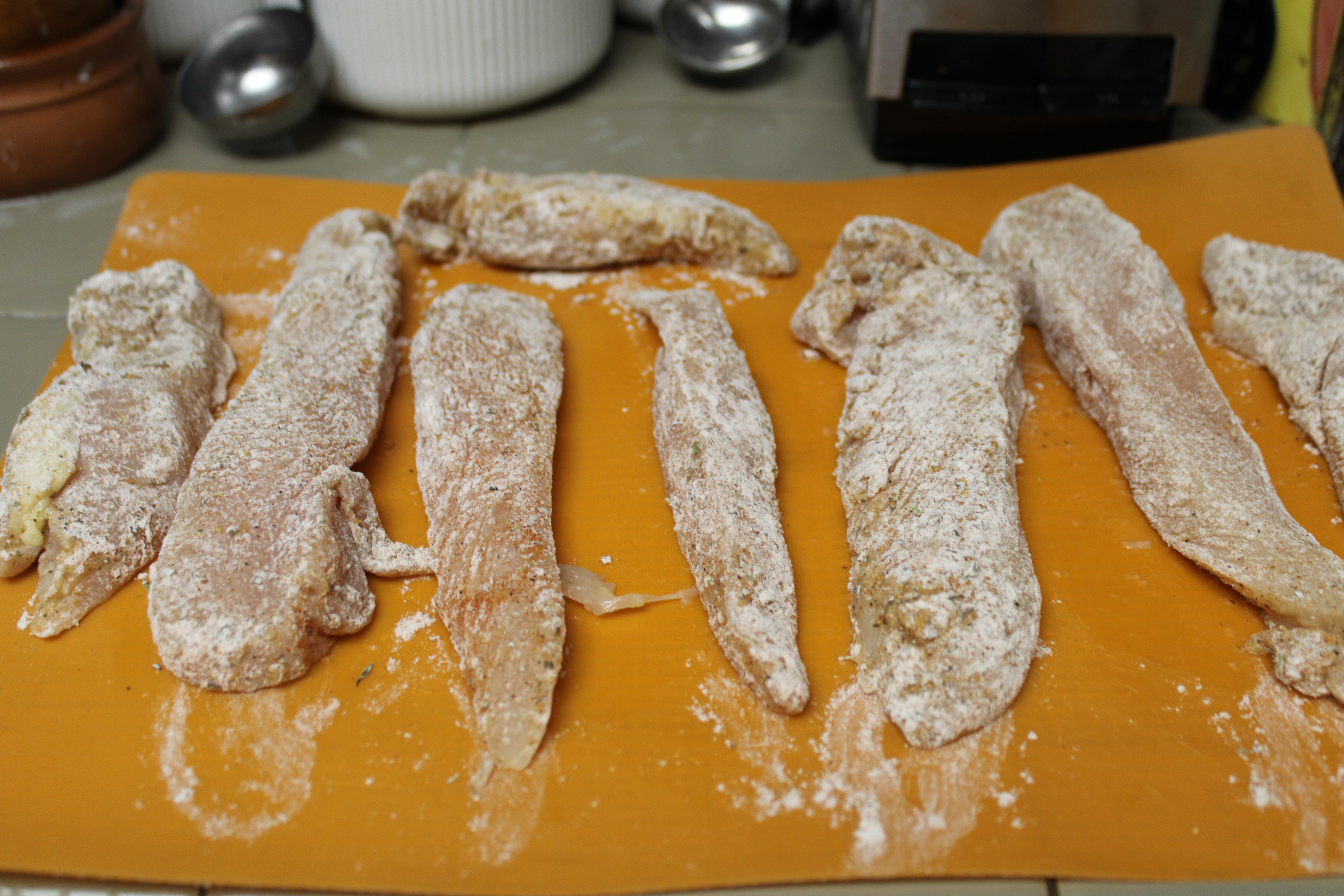

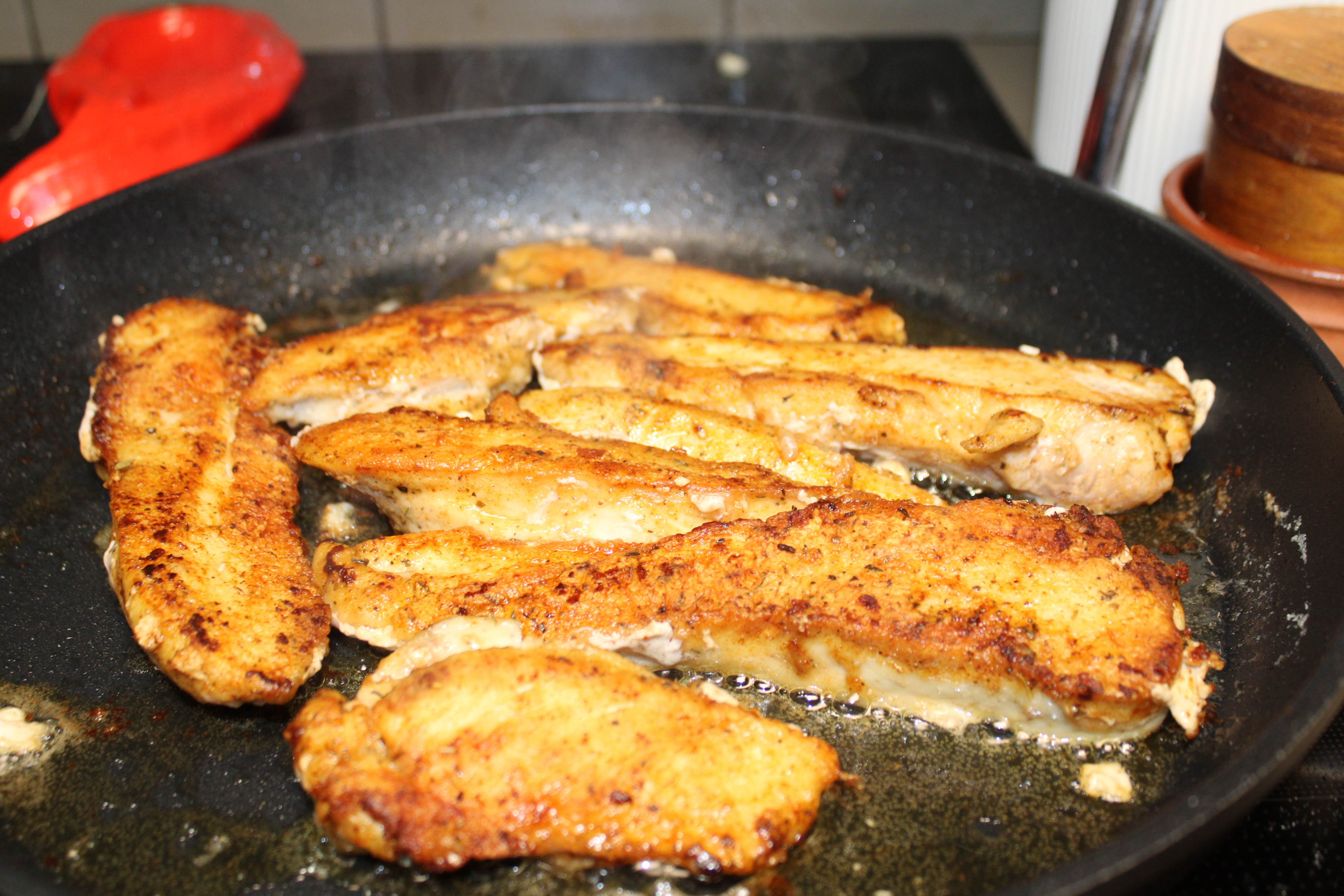
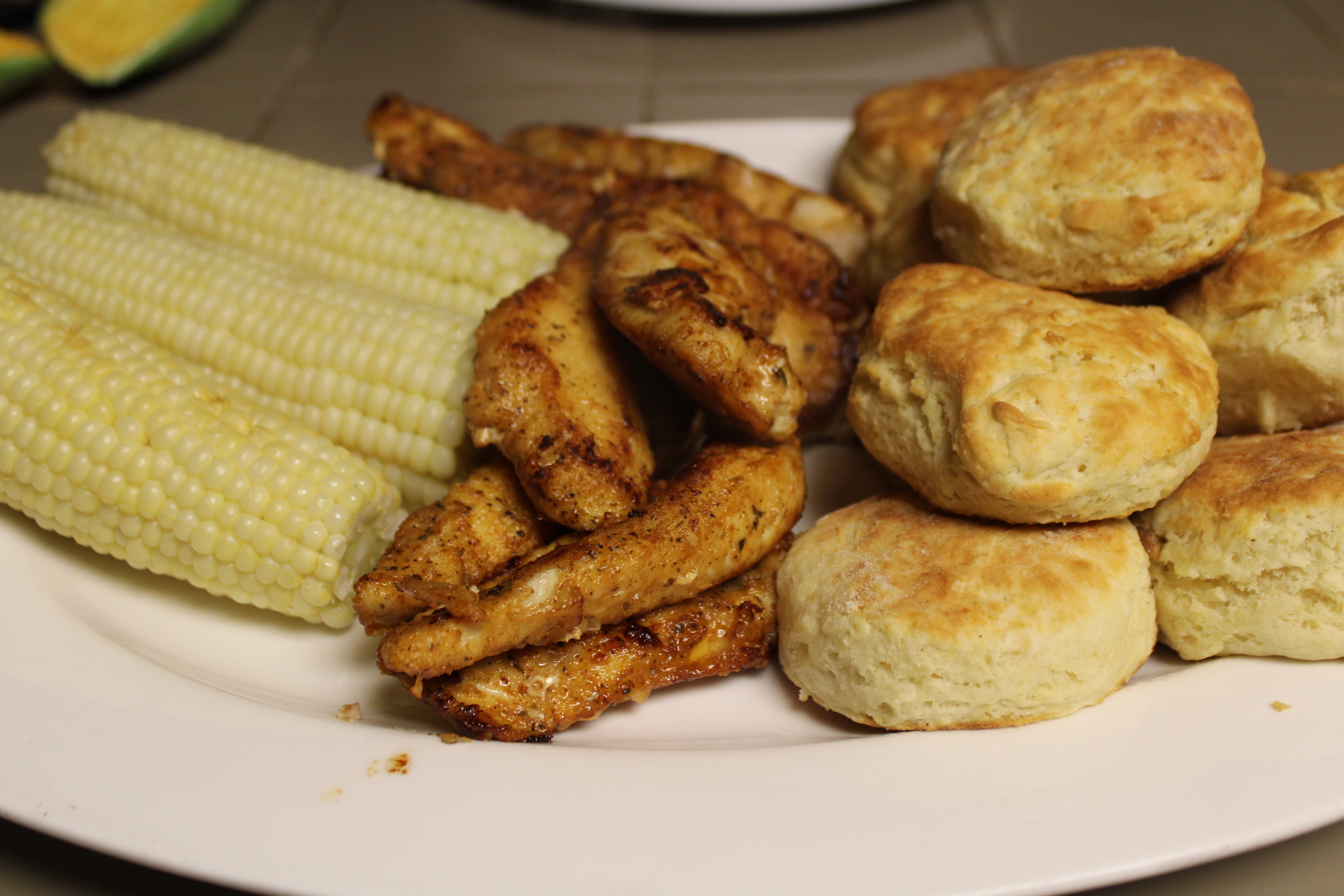
Serve chicken strips with warm biscuits and cob corn for a down home delicious supper.
Fluffy Buttermilk Biscuits
6 tablespoons butter
2 cups Flour
1 tablespoon Sugar
¼ teaspoon Baking Soda
1 heaping tablespoon Baking Powder
1 teaspoon Salt
1 cup Buttermilk, well chilled
Heat oven to 450-degrees. Line a rimmed baking sheet with parchment paper, set aside.
Cut butter into small pieces. Place butter on a plate, place in the freezer to chill well. While the butter freezes, prepare the dry ingredients.

In the bowl of a food processor fitted with a blade, measure flour, sugar, baking soda, baking powder and salt. Pulse several times to combine well.
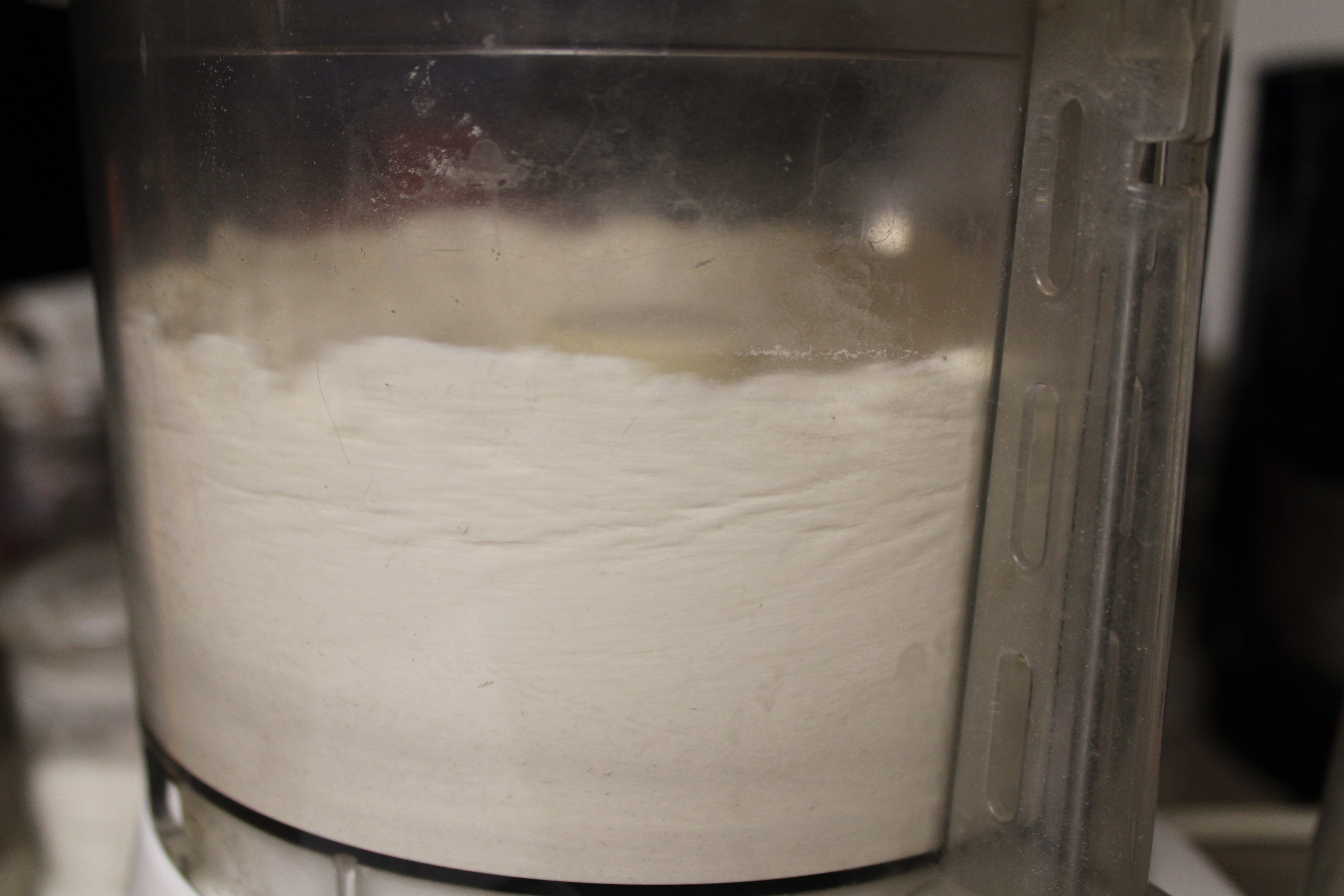
Add frozen bits of butter to the dry ingredients. Pulse a few more times until the mixture resembles coarse crumbs. Transfer the flour mixture to a large mixing bowl. Create a well in the center of the crumb mixture.
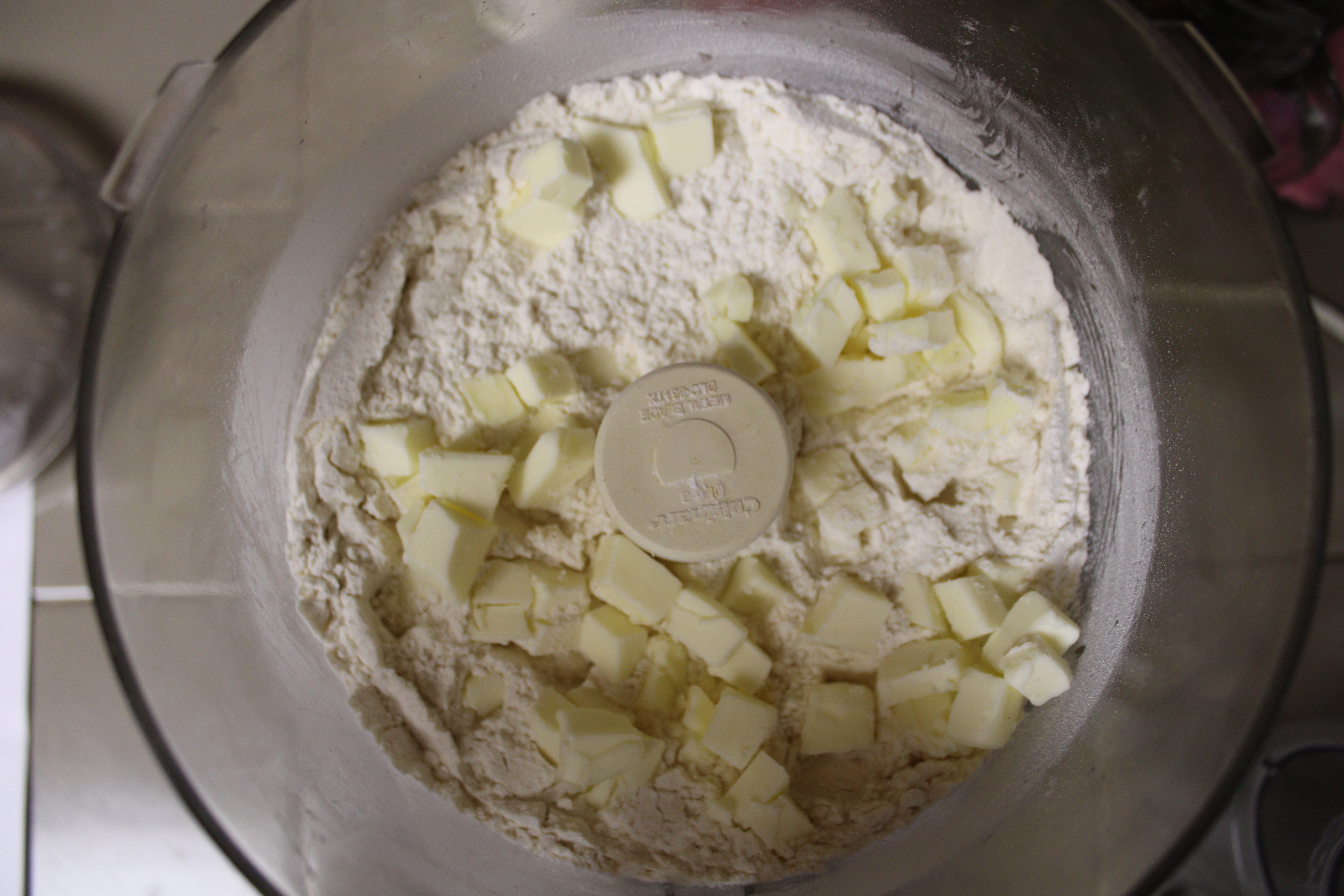
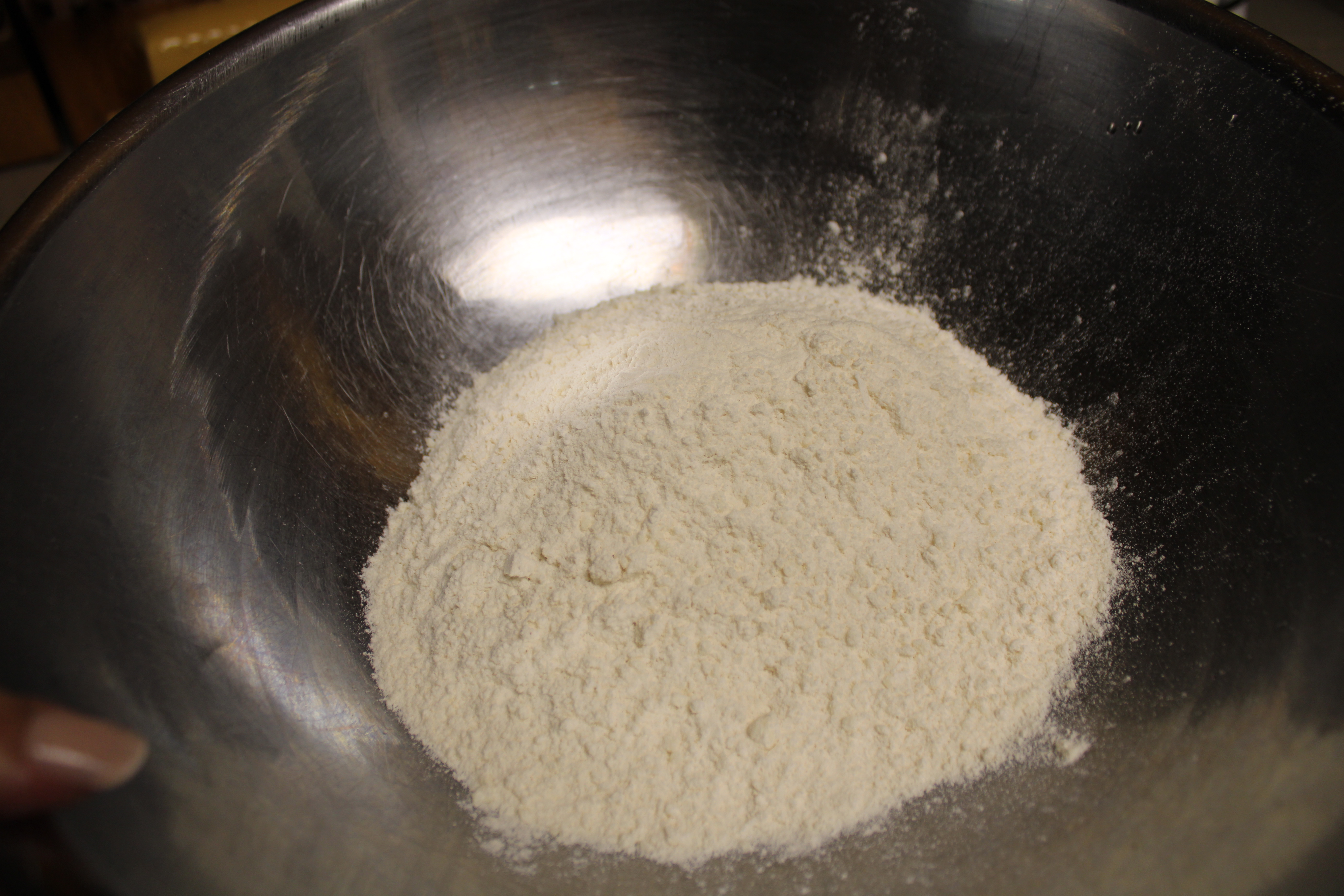

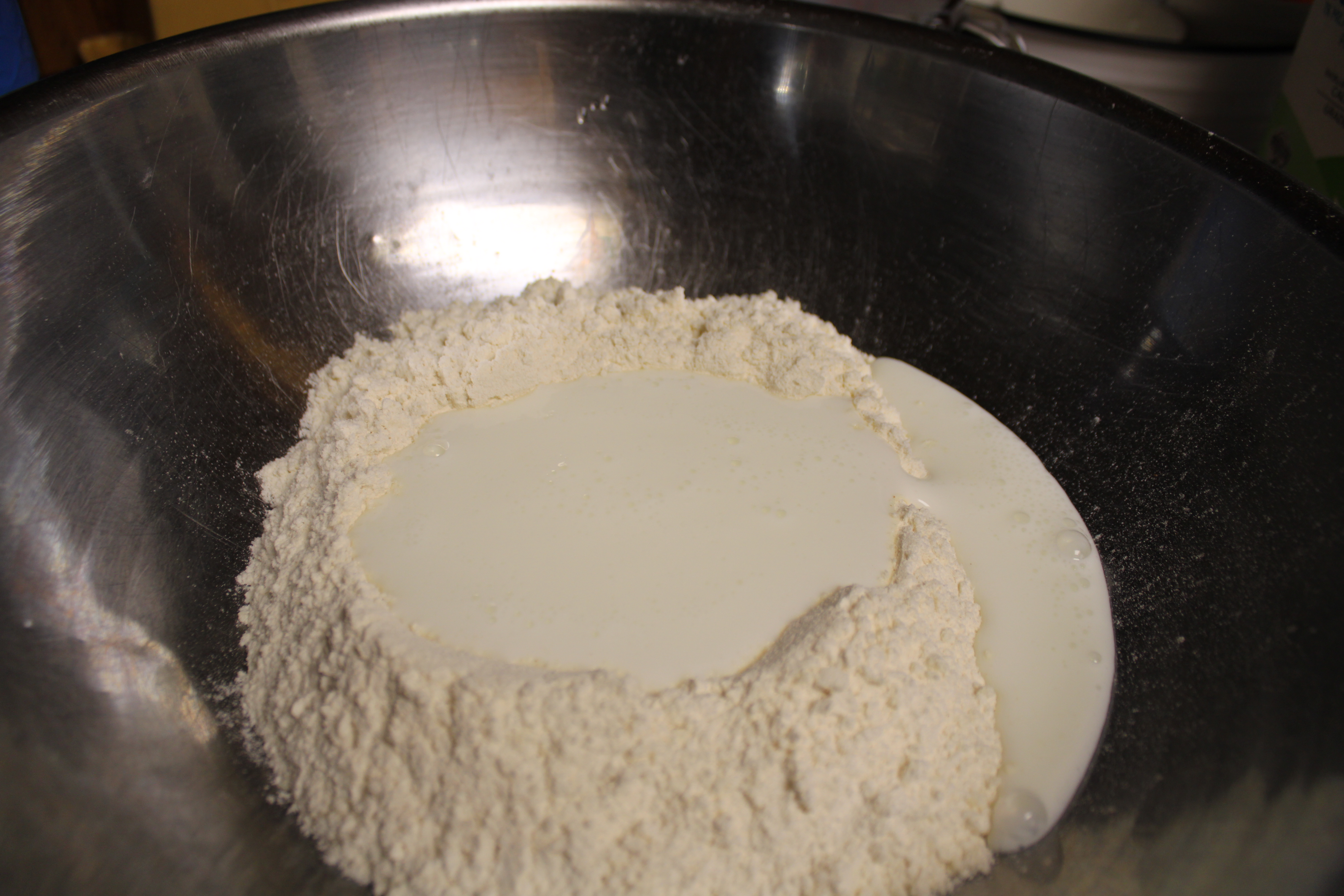
Add buttermilk to the well. Gently stir until a dough forms. It should be slightly sticky or tacky. If too sticky, add a but more flour. Gently stir, taking care not to over-work the dough or the biscuits may be tough.
Lightly flour a cutting board. Lightly flour a 2-1/2 inch round biscuit cutter and set aside. Turn dough out onto the floured work surface. Pat dough into a rectangle about 8-inches long. With the long side facing you, fold the right side toward the middle, then fold the left side creating a tri-fold of dough. Rotate the dough a quarter turn, pat into the same size rectangle. Repeat the tri-fold, then rotate, pat and fold again. The more this is repeated, the more layers thre will be in the biscuit. Three times is a good stopping point, or you could continue.
Note: I did this four times. Sorry, no pictures, my hands were sticky with dough and I didn’t think to set the camera on a tripod before hand.
Pat the dough down one last time, about an inch thick. With the floured biscuit cutter, cut biscuits from the dough with a straight downward push, DO NOT twist. Combine left over scraps, pat down to an inch and cut again. You should have 8 to 10 biscuits when done.

Note: if there are leftover scraps after a second cut, discard as the dough is now in danger of being overworked.
Place the biscuits on the prepared baking sheet, barely touching one another. This will help biscuits to cling to one another and climb as they bake. Place baking sheet in the heated oven to bake until golden brown, about 12 minutes.

Serve fresh from the oven with honey butter.
Honey Butter
4 tablespoons soft Butter
2 tablespoons Honey
Place butter in a small bowl. Pour honey over the butter. With a fork, work honey into the soft butter. Set aside until ready to use.
Sweet Corn on the Cob
3 ears of Corn
2 teaspoons Sugar
6 tablespoons Butter, divided
Salt to taste
Fill a large pot with cold water. There should be enough water to covern the corn. Bring water to a boil.
Peel off husks, clean cobs to remove the conr silk from the kernels. Trim both ends, set aside until the water comes to a boil.
Add sugar and 3 tablespoons of butter to the boiling water. Carefully drop the corn into the water. Reduce heat to medium, cover pot with a lid and slow-boil for 10 minutes.

With kitchen tongs, remove corn from the water, place on a platter for serving. Serve with remaining soft butter and salt as desired.
Warm a large platter. Place corn at one end, chicken strips in the middle and warm fresh biscuits at the other end. Don’t forget the honey butter for serving. Enjoy!

Teach me Your paths, my God,
and guide me in Your truth.

 Welcome to Rosemarie's Kitchen
Love your veils. I only have one. I don’t wear it much. I wish the church openly encourage veiling. It would make women more comfortable. Great post.
LikeLike
Thank you so much. Most of the women at the Mass I attend don’t veil, while at the Latin Mass all are veiled. You need to do what your heart tells you. And I agree, I wish the Church would encourage veiling.
LikeLiked by 1 person