
Welcome to the first of three Ember Days of Autumn. Ember Days of giving thanks to the Lord is a throw back to an earlier time in the Church when being Catholic was much more demanding than it is today. Before the changes solidified by Vatican II, the whole of the Universal Church observed the changing of the seasons.
Then in 1969 the liturgical calendar was revised, to coincide with the formal adoption of Novus Ordo or Novus Ordo Missae (literally “new order of the Mass”) Some of these changes included doing away with the Traditional Latin Mass in favor of a more simplified Mass done in the language of the country. More traditional Catholics point to Vatican II as the beginning of the end, in that it seems to do away with many of the older traditions. In actuality, the Church was in the process of change before Vatican II. Vatican II simply took those changes and made them the standard for the Church. What this did was to create a Church that was once again united throughout the world. Unfortunately since Vatican II there have been heated disagreements between the Roman Rite and the Latin Rite. As a Roman Catholic, I see the good things that came from these changes in the Mass, but as a traditionalist at heart I also see the cost in the form of Catholic Traditions that are no longer practiced by the lay. Ember Days are just one of many traditions that have been forgotten in the Roman Calendar. Within the Latin Rite many (although again not all) observe these days as before. Some of the differences that are easily seen between the two rites (besides language) is that the Priest does not face the congregation. He faces the alter and the tabernacle. While he is leading the faithful in worship, by facing toward the alter, he is also participating in that worship. Another difference can be seen in the congregation itself. Women and girls are veiled. Most are dressed in their Sunday best. You won’t find people in shorts and flip flops.
Wow, I didn’t mean to go off on such a tangent. Today is the first Wednesday following the Holy Cross. Each set of Ember Days not only correspond to a specific season, but a particular event within the Church calendar. We are now in Autumn, a time of thanksgiving for the harvest. The beauty of observing Ember Days is that they foster a holistic understanding of faith, calling the faithful to align human life with the divine rhythms of the Lord. To me, that’s just beautiful.
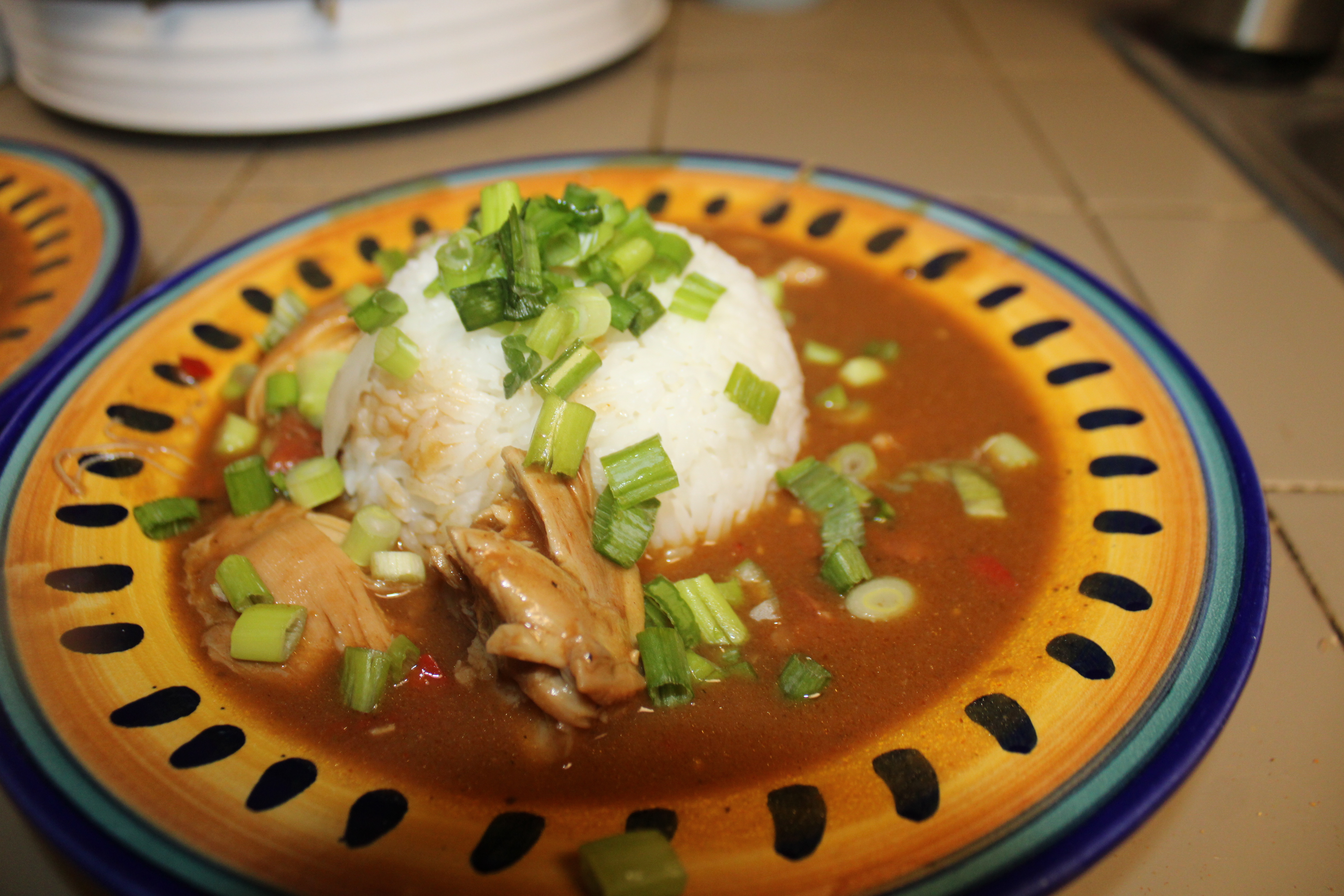
Chicken and Cajun Sausage Gumbo
2 cups Vegetable Oil
2 cups Flour
1 Yellow Onion
1 bunch Green Onions
1 Red Bell Pepper
2 Celery Ribs
Handful Parsley
6 bone-in Chicken Thighs
1 lb Cajun Sausage
2 tablespoons Minced Garlic
8 cups Chicken Stock
8 oz Tomato Sauce
Salt to taste
Black Pepper to taste
Salt-Free Cajun Seasoning to taste
1 teaspoon Cayenne Pepper
1-1-2 cups White Rice
2 cups Water
4 tablespoons Gumbo File
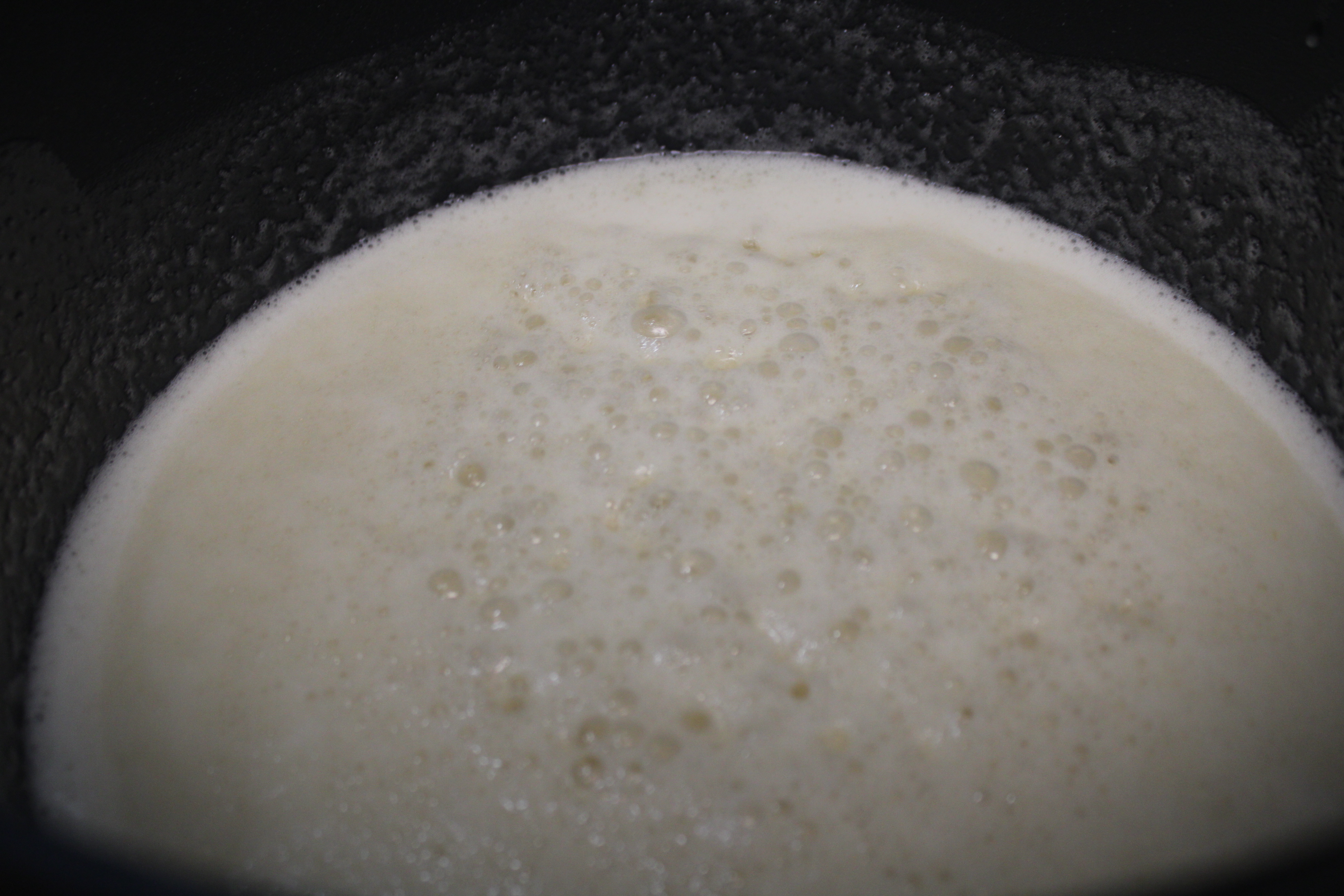
In a large pot simmer vegetable oil with flour over medium,-low heat, stirring almost constantly, until the roux reaches a deep color almost like chocolate. This cannot be rushed, it takes as much as 20 minutes or more. Pour finished roux into a heat-proof bowl, whip out the pot and set aside to cool.

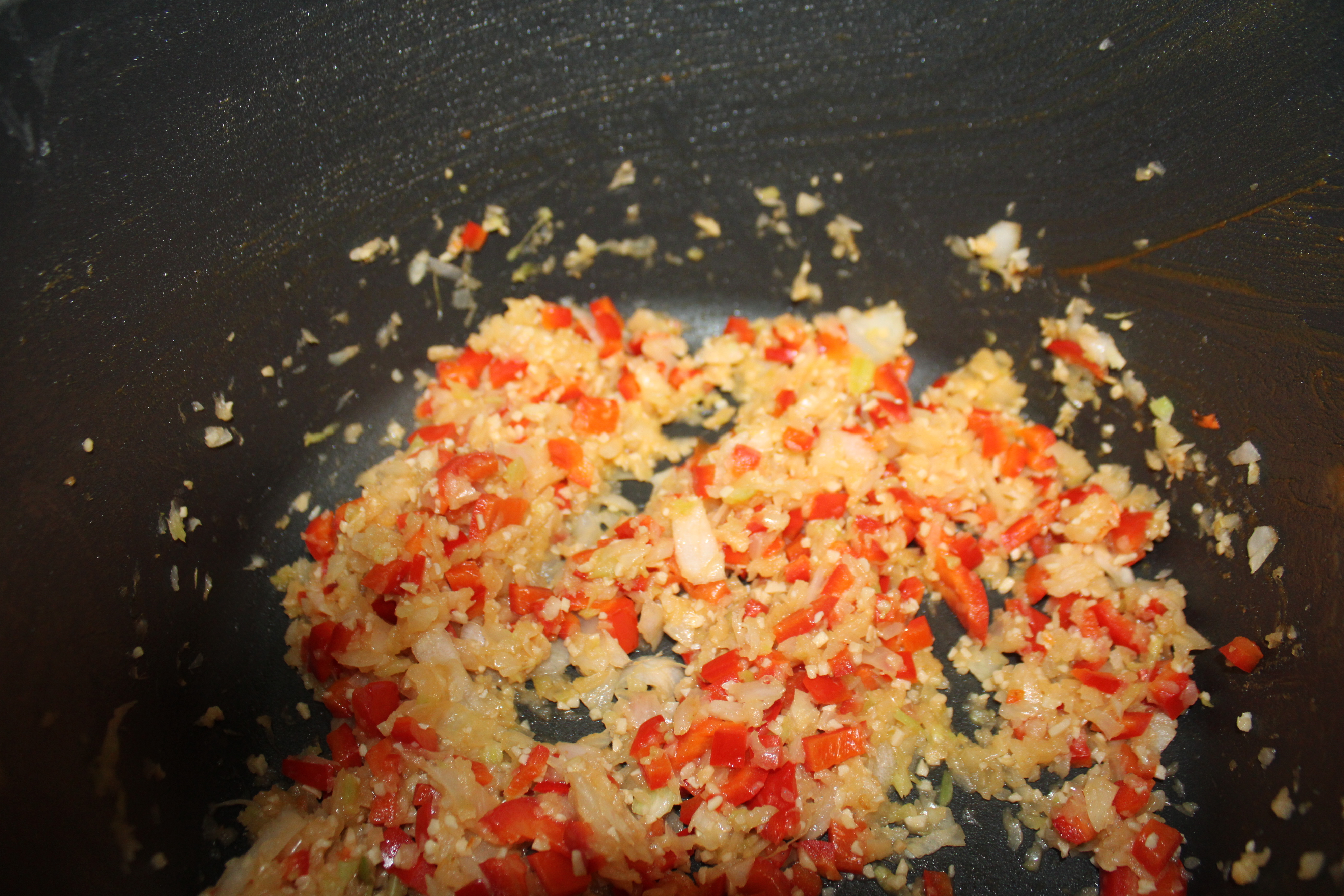
Peel and finely dice yellow onion. Trim green onions, snip. Core bell pepper, seed and dice. Clean celery, trim ends and slice. Chop parsley. Set vegetables and herbs aside.
Remove the skins from the chicken thighs, leaving the bones for flavor. Coin cut the sausage, set meats aside.
In the now cooled stockpot add onions, bell peppers, celery, garlic and parsley. Pour in the chicken stock, stir and bring to a boil. Slowly stir in roux until fully incorporated into the stock base. Add tomato sauce, season with salt, pepper, Cajun Seasoning and Cayenne.
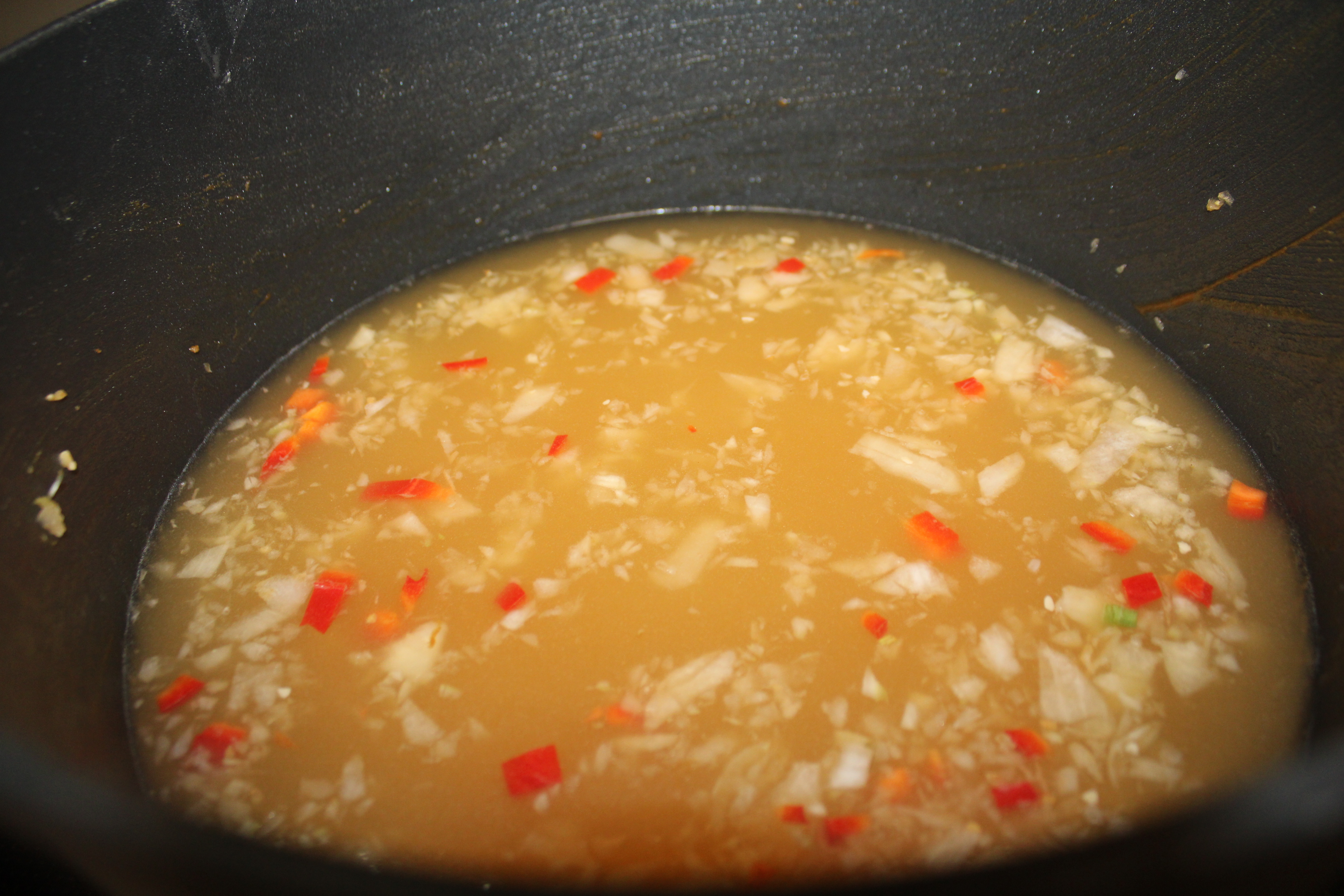

Return seasoned mixture to a boil, add chicken and sausage. Simmer over medium heat until the chicken is fully cooked through, about an hour or so.
While the gumbo is simmering, make the rice for serving. Pace rice and water into a pot with a tight-fitting lid. Cover; bring to a boil, then reduce heat and simmer the rice for about 15 minutes or until tender. Keep warm.
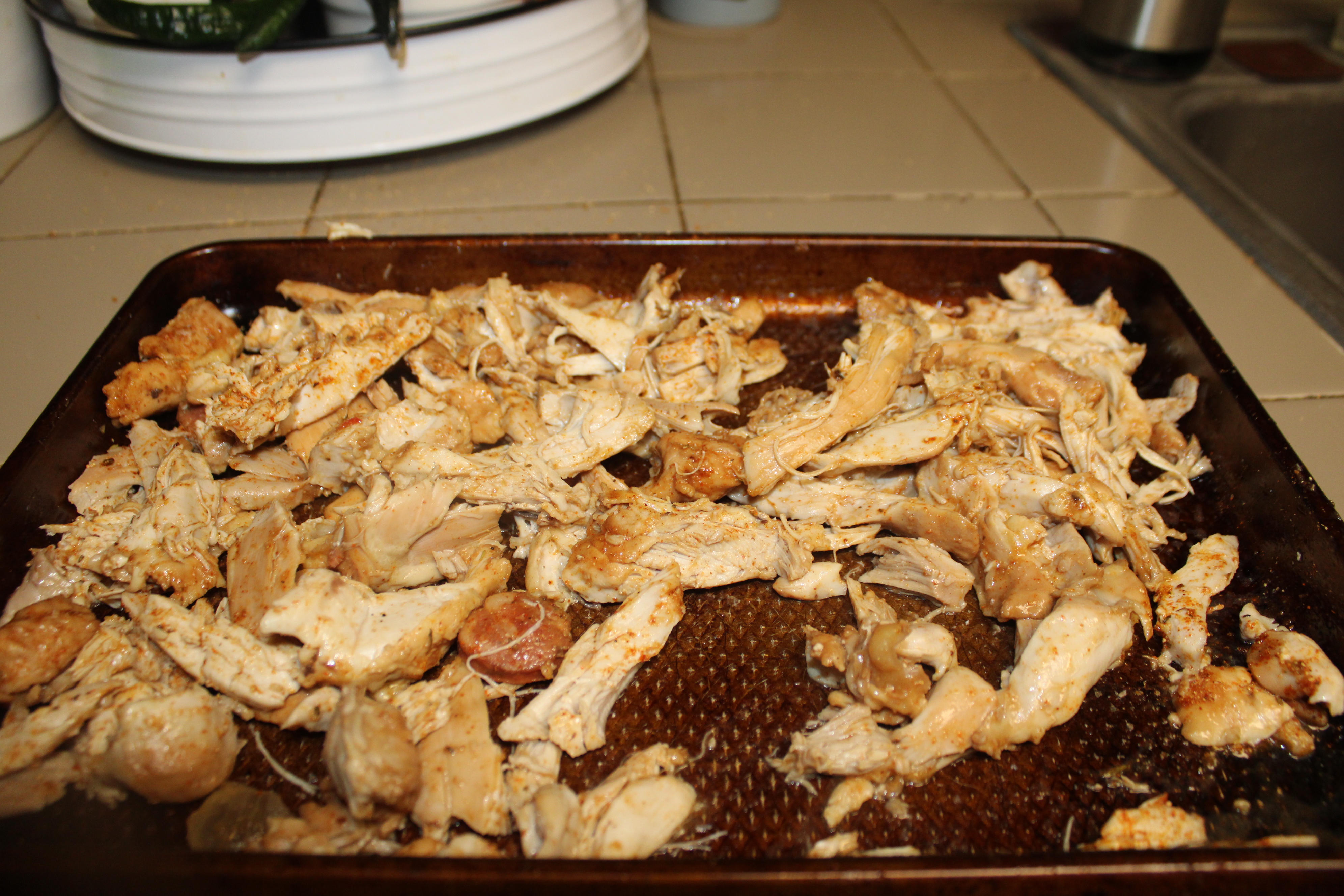
With a large slotted spoon remove chicken thighs from the gumbo. Pull bones from the thighs, shred the meat while discarding the bones. Return shredded chicken to the pot.

Remove gumbo from heat, stir in the Gumbo File to enhance the Bayou flavors and thicken the gumbo further.
Mound rice into individual bowls, ladle the gumbo around the rice. Garnish with snipped green onion just before serving.

He has given food to those who fear Him;
He will forever be mindful of His covenant.
He has made known to His people the power of His works,
giving them the inheritance of the nations.

 Welcome to Rosemarie's Kitchen
Never made a gumbo but this recipe is definitely tempting enough to give it a go.
LikeLike
Are you a fan of heat? If so, for you a seafood gumbo might be just right.
LikeLiked by 1 person
Love heat, love seafood……. It’s a given
LikeLiked by 1 person