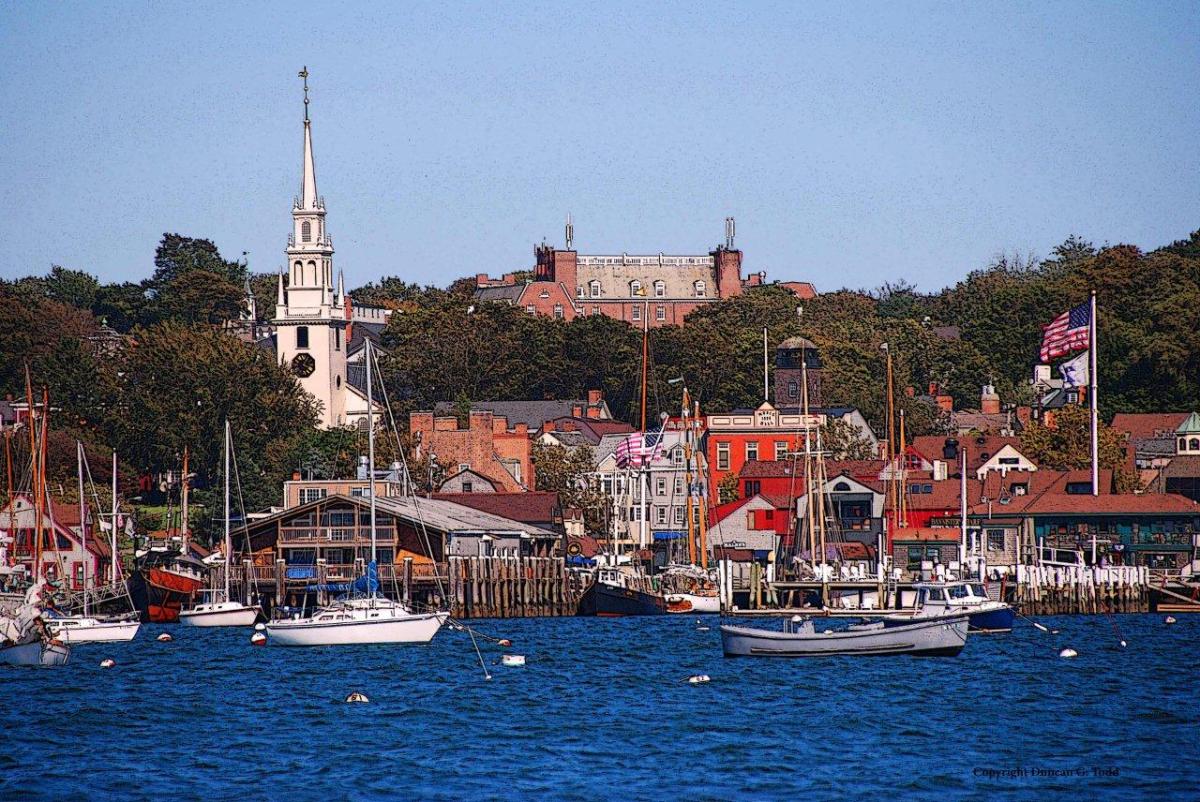
Today is National Rhode Island Day. Rhode Island may have been the last of the colonies to join the Union, it was the first to demonstrate civil defiance against British authority. On June 10, 1772, Rhode Islanders boarded and sank the revenue cutter, Gaspee, in Narragansett Bay.
HMS Caspee had run aground in pursuit of a smuggling vessel when eight boatloads of armed citizens overpowered the crew and set the ship ablaze. Despite British efforts to bring the culprits to justice, the raiding party was never punished for what amounted to an act of war. Many a proud Rhode Islander maintain that this act was just as important in sparking the American Revolution as the Boston Tea Party that happened more than a year later. Sadly, schoolchildren rarely learn of this in their history classes. The Gaspee’s hull, all that was remaining when she sunk, has never been found. In 2022 the search for remains using sonar technology. Unfortunately, the expedition failed to find anything in the sandy bottom of Narragansett Bay.
It’s interesting to note that the first act of defiance took place in Narragansett Bay. Not far from there is Providence, where the first settlement in Rhode Island was established. The colony was settled by five independent and combative sets of people between 1636 and 1642. They were all English, most began their colonial experience in Massachusetts Bay but were banished for various reasons. Roger Williams and his group were the earliest, and as a result, the Puritan Theologian is often given sole credit for having founded Rhode Island. Williams was banished due to his belief that each church congregation should be autonomous, and not be subjected to direction or rules set by the Church of England and the English King. His settlement attracted other separatists who wished to flee from colonial religious rules that they did not agree with.
It should come as no surprise that historical landmarks from this and other groups still exist in Rhode Island today. Wither or not we agree with historical events, history should be preserved. There are lessons in history.
First Baptist Meeting House
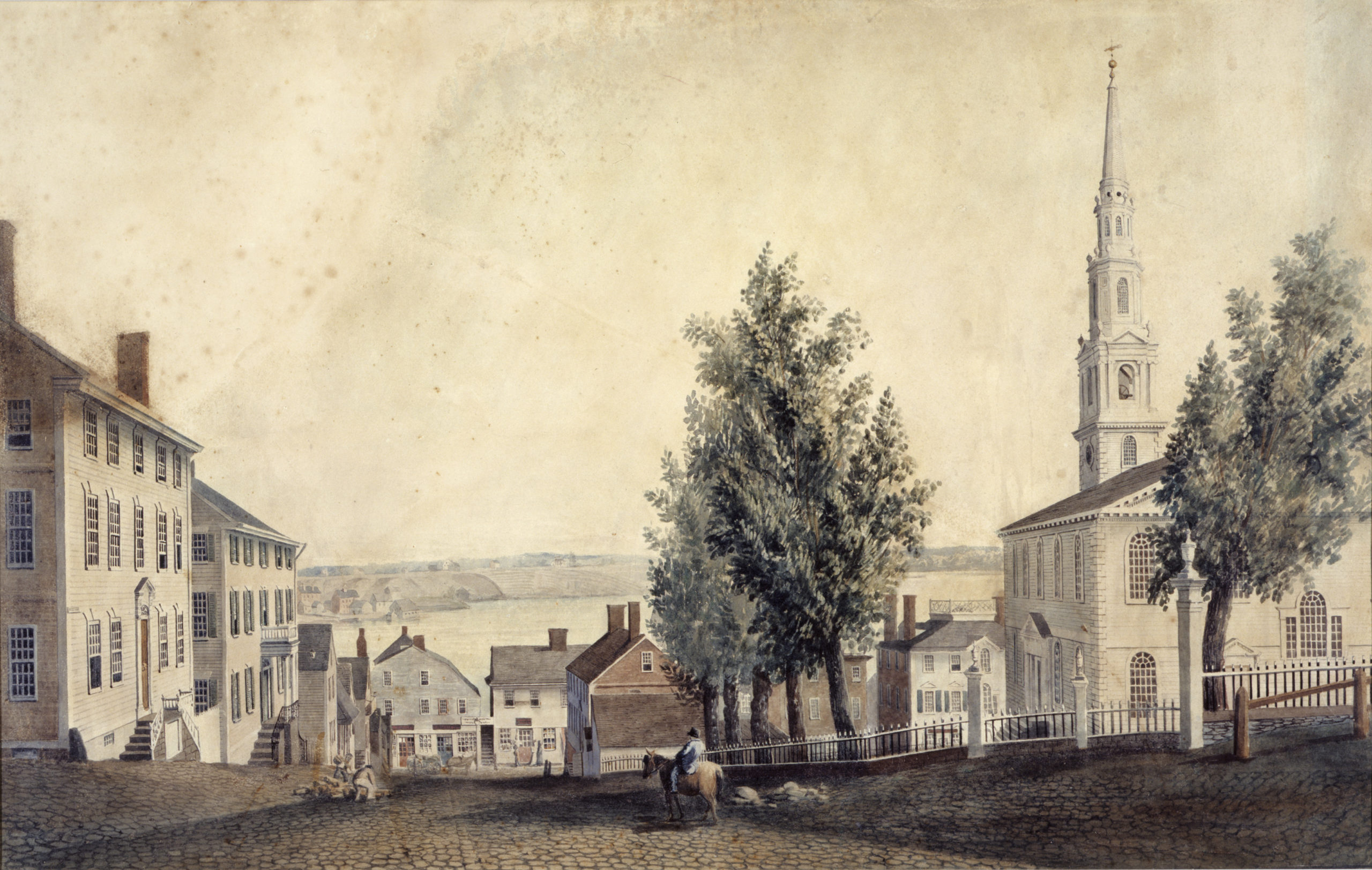
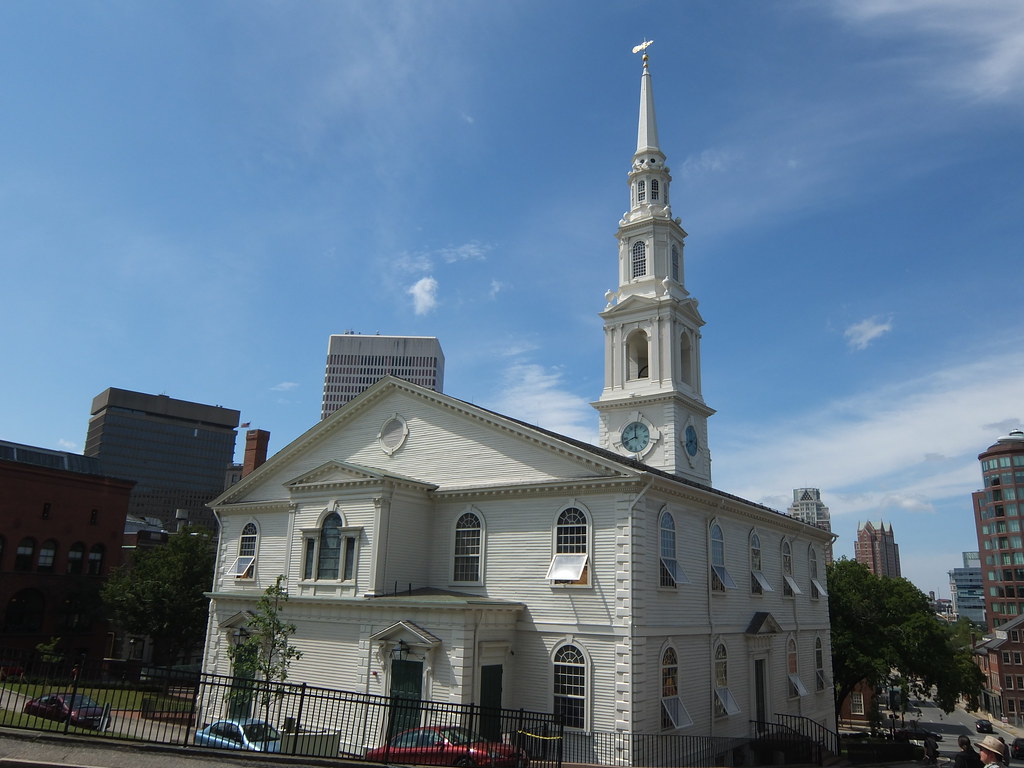
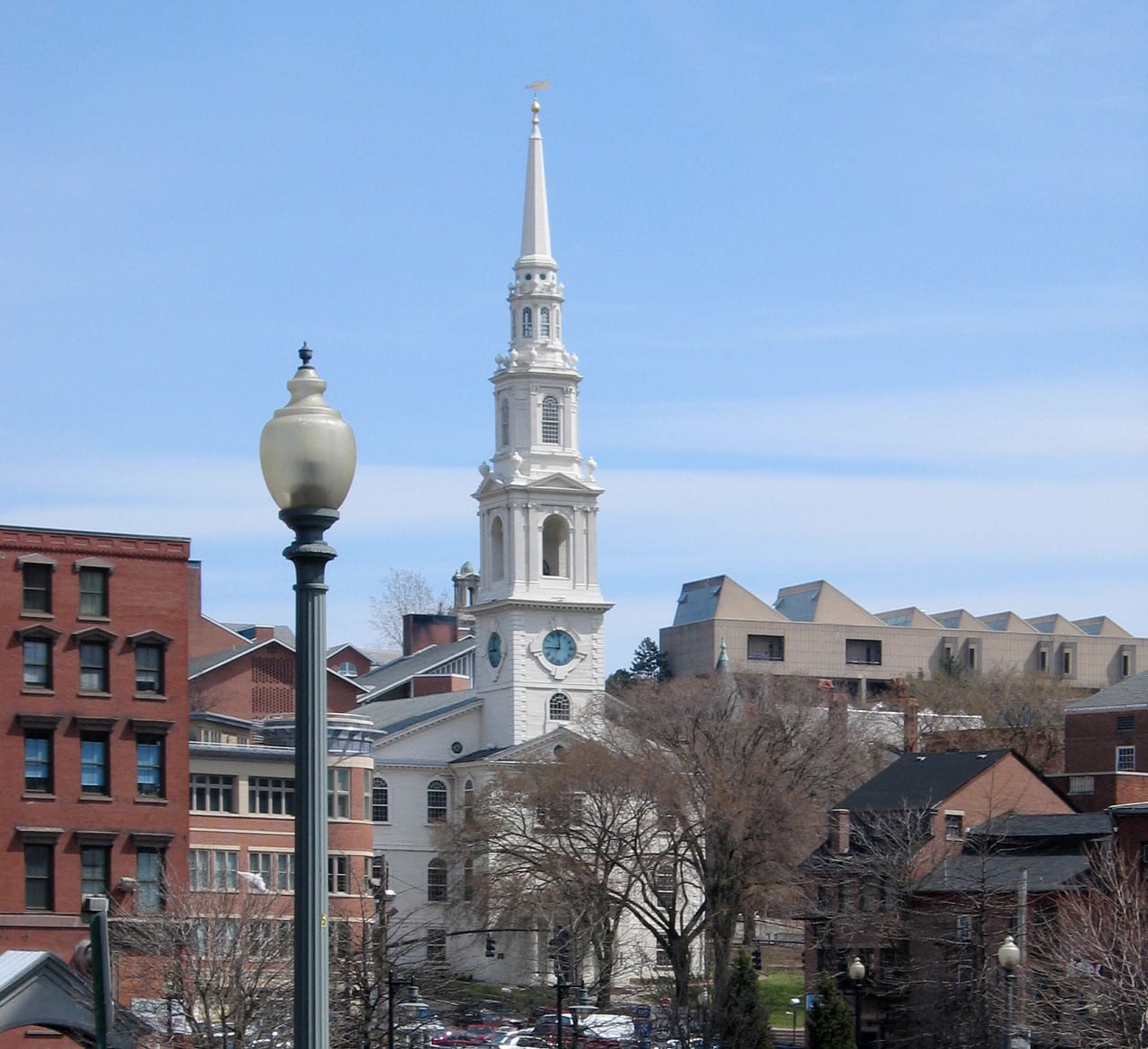
A famous landmark in Providence is the First Baptist Meeting House. Roger Williams founded Providence in 1638 as a place to worship freely. For nearly a year he opened his home for religious services. For the next sixty years, the congregation met in private homes or outdoors during pleasant weather. Baptists in Rhode Island thought erecting a meetinghouse reflected vanity. Eventually, they came to see the need for a gathering place. It is believed that this meetinghouse is home to the oldest Baptist congregation in the United States.
Crescent Park Looff Carousel and Shelter Building
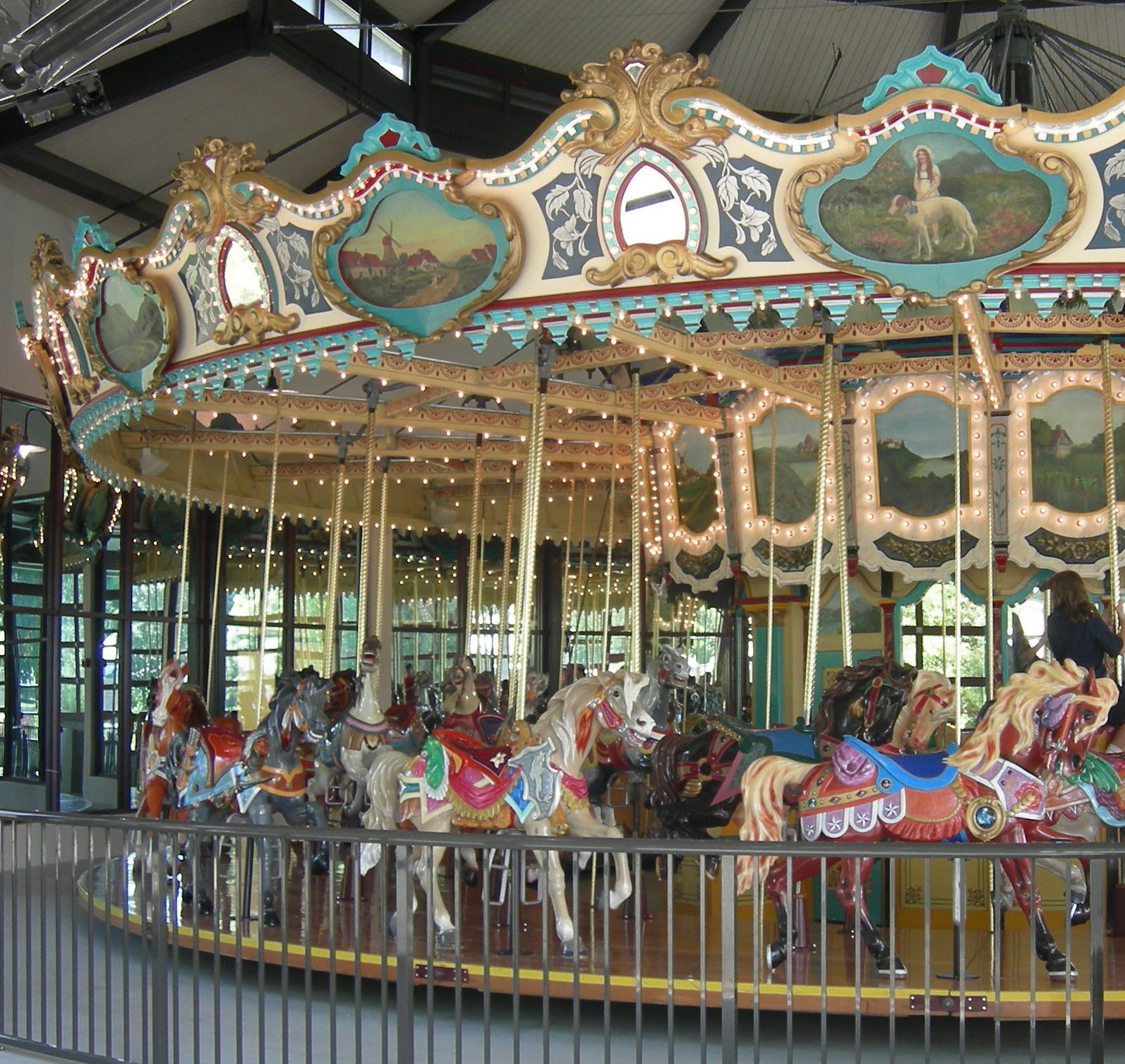
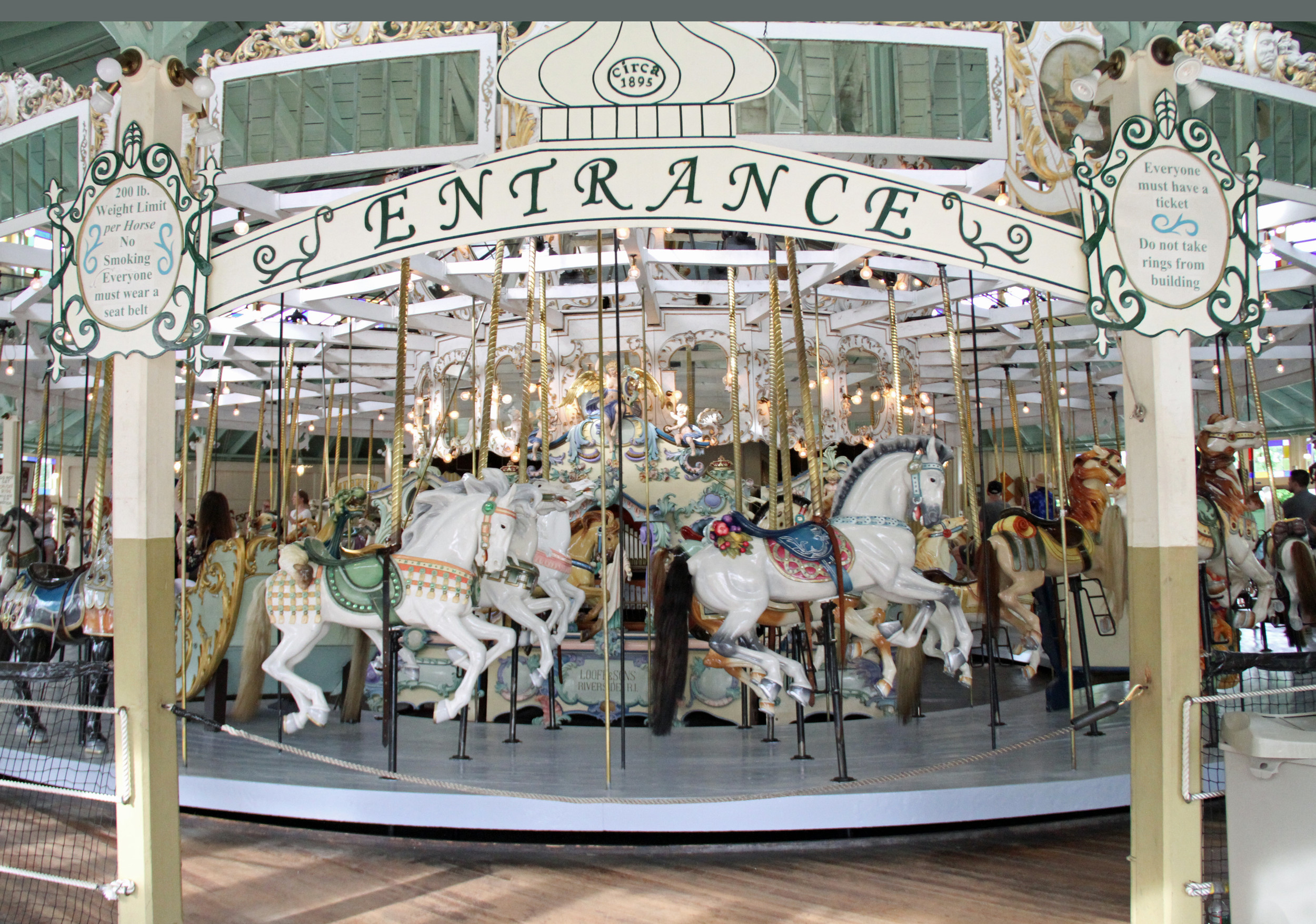
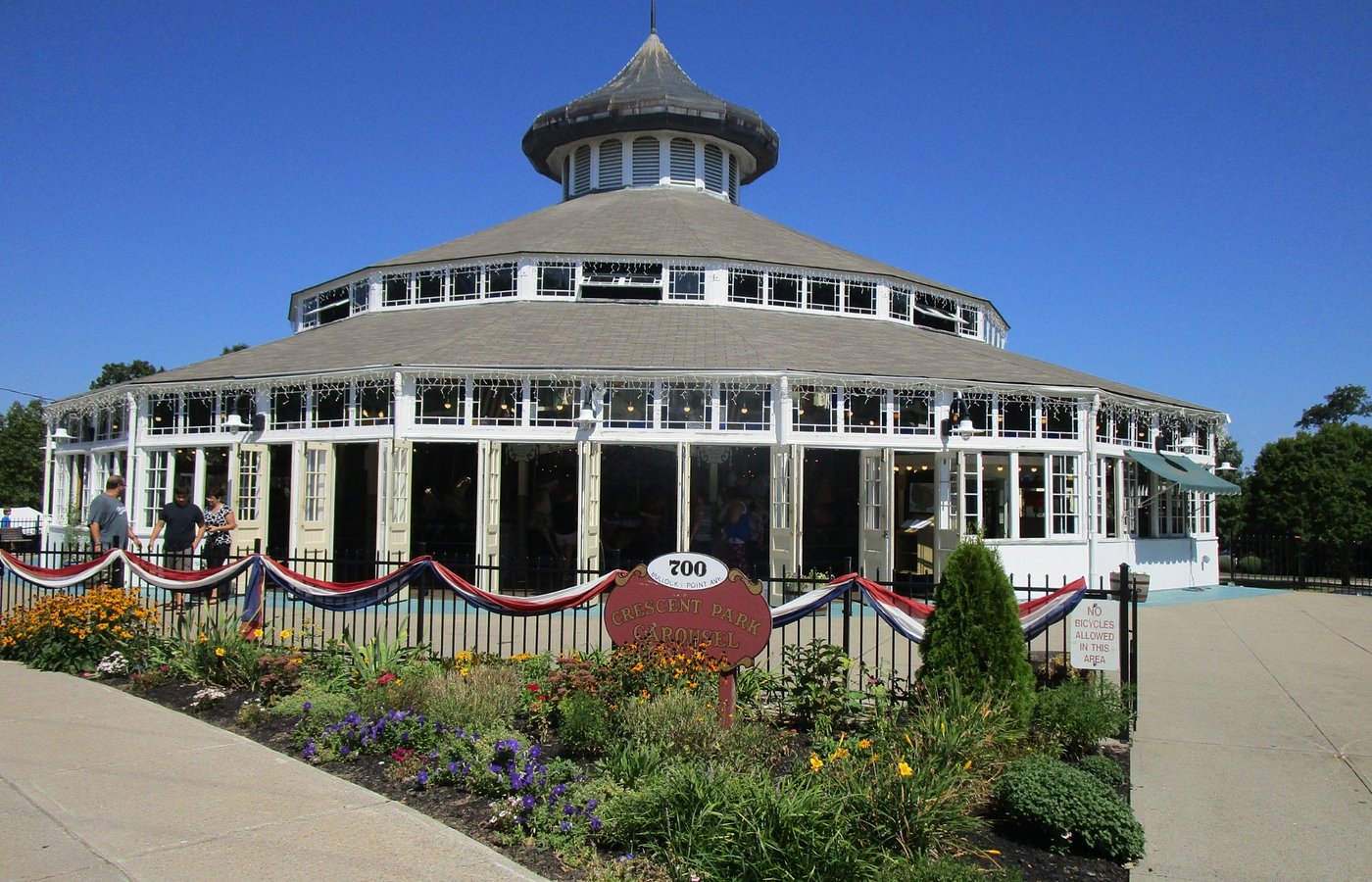
Another famous landmark in Providence was built in 1895. Today the Crescent Park Looff Carousel and Shelter Building continues to draw visitors. The carousel is hand-carved, with sixty-one horses, once camel, two single coaches and two double chariots. These are the creations of Charles Looff, an immigrant from Denmark. He came to this country in 1870, and built his first carousel at Coney Island in 1876. His Crescent Park masterpiece was used as his showpiece. It is one of ten remaining in operation today.
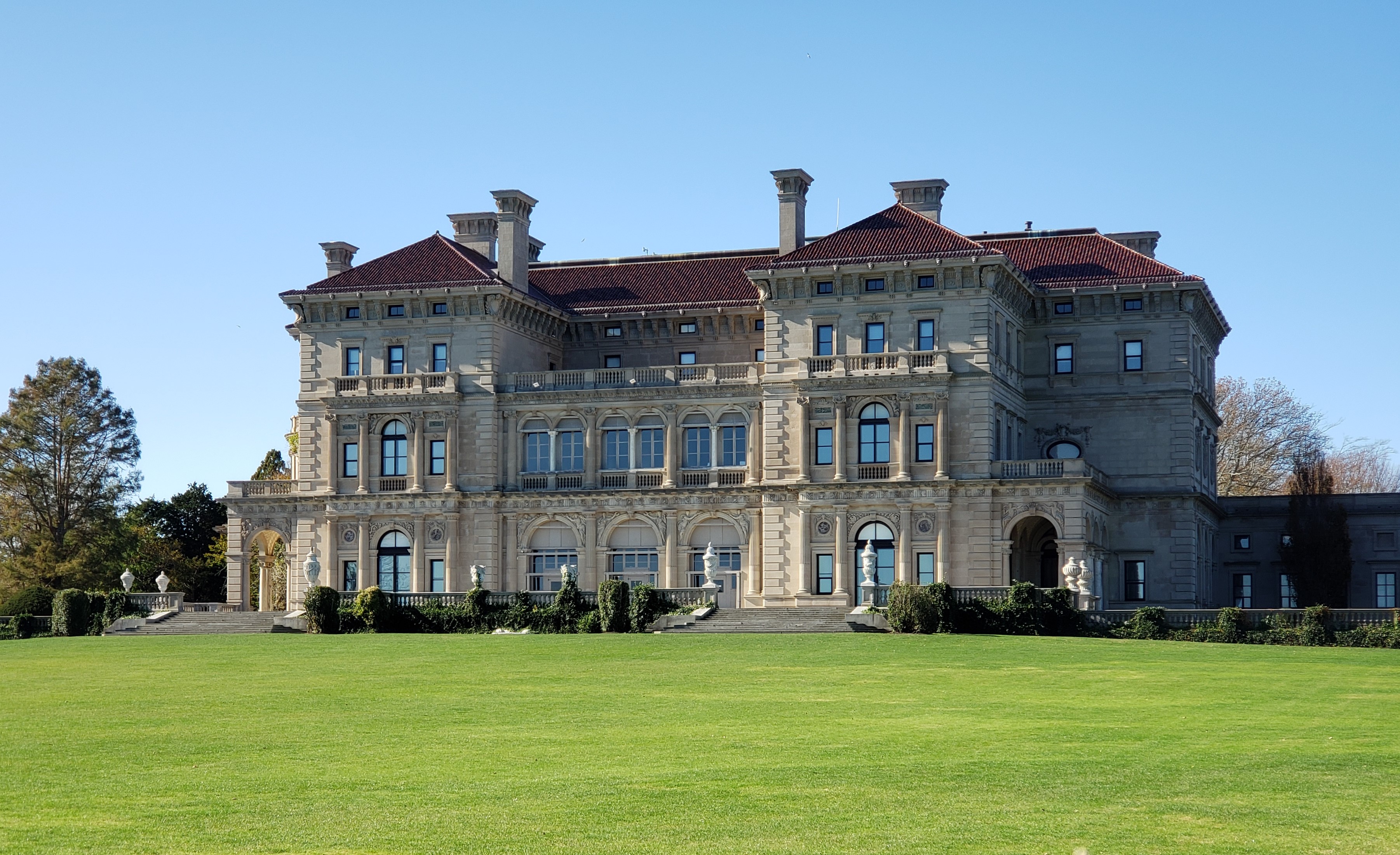
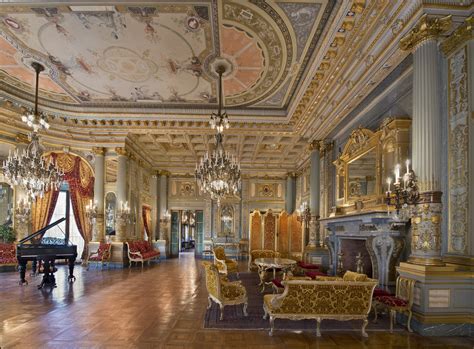
The Breakers
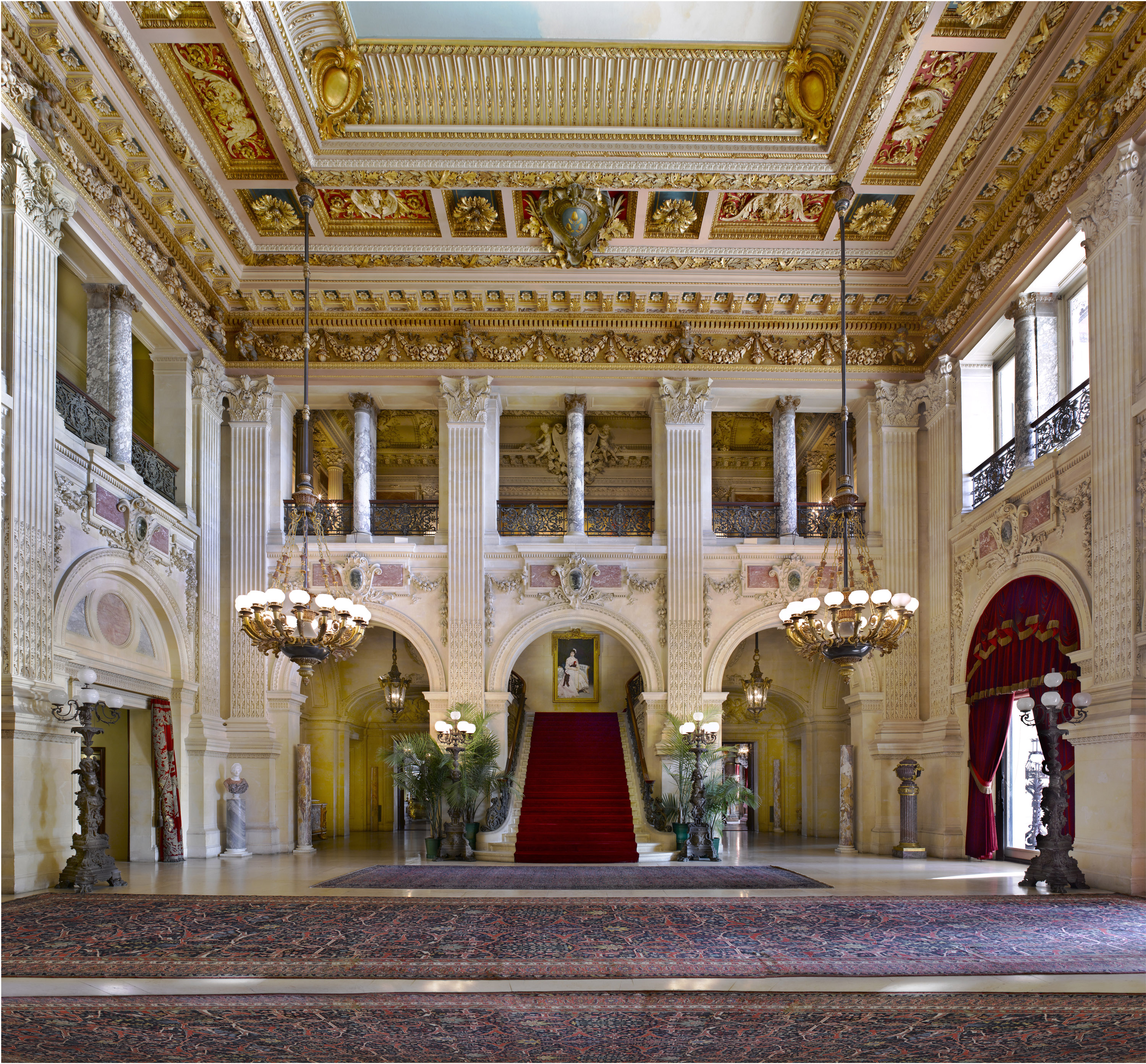
In Newport, Rhode Island you can tour a magnificent Gilded Age Mansion. The home was built between 1893 and 1895 as a summer residence for Cornelius Vanderbilt II, a member of the wealthy Vanderbilt family. The 70-room mansion boasts 62,482 square feet of living area spread out on five floors. Cornelius purchased the grounds in 1885 for a staggering $450,000 dollars, or $14.7 million in today’s money. Today it is among the most visited attractions in Rhode Island.

New England has their take on Clam Chowder, all thick and creamy. Manhattan has their rendition that includes tomatoes in the stock. But did you know that Rhode Island has their own style of Chowder? It’s made with a broth rather than creams or tomatoes. This allows the clams to be the star of the show. Hum, I would of Rhode Island Calm Chowder was ever served as a soup course at what surly had to be an elaborate culinary experience when dining at the Breaker Estate. Who knows. Maybe you are serving up a dish fit for American Royalty.
Rhode Island Broth Style Clam Chowder
3 slices Bacon
1 large Yellow Onion
4 Celery Ribs
3 Garlic Cloves
1-1/2 lbs Red Potatoes
3 tablespoons Butter
6 cups Clam Broth
2 cups Clams, diced
3 tablespoons fresh Thyme
2 fresh Bay Leaves
Black Pepper to taste
3 tablespoon finely chopped Italian Parsley
Slice bacon crosswise into 1/4-inch strips, set aside. Peel and dice onion, set aside. Clean, trim and thinly slice celery, set aside. Peel and mince garlic. Scrub potatoes, dice and set aside.
Place bacon in a soup pot, cook over medium heat, stirring occasionally, until just beginning to brown and crisp, about 4 minutes. Remove from heat, pour off bacon fat while leaving bacon in the pot.
Add the butter and onions. Cook onions with bacon over low heat, covered, while stirring occasionally, until onions are tender but not browned, about 10 minutes. Add the celery and garlic to the pot, cook; uncovered, until all the vegetables are tender, about 5 minutes. Stir occasionally to prevent browning.
Strip Thyme leaves from the sprigs, set aside. Add clam broth to the soup pot, along with potatoes, thyme and bay leaves. Season with about a quarter teaspoon of fresh black pepper. Bring to a boil over high heat. Lower to a simmer and cook until the potatoes are tender, about 15 minutes.
Remove the soup from heat; wait until soup stops simmering. Stir in clams. Chop parsley, scatter over the soup. Taste, adjust seasoning with more fresh black pepper if desired.

The law of the Lord is perfect, refreshing the soul

 Welcome to Rosemarie's Kitchen
Love, love The Breakers – serious property porn
LikeLiked by 1 person
Really? Wow!
LikeLiked by 1 person
Absolutely
LikeLiked by 1 person