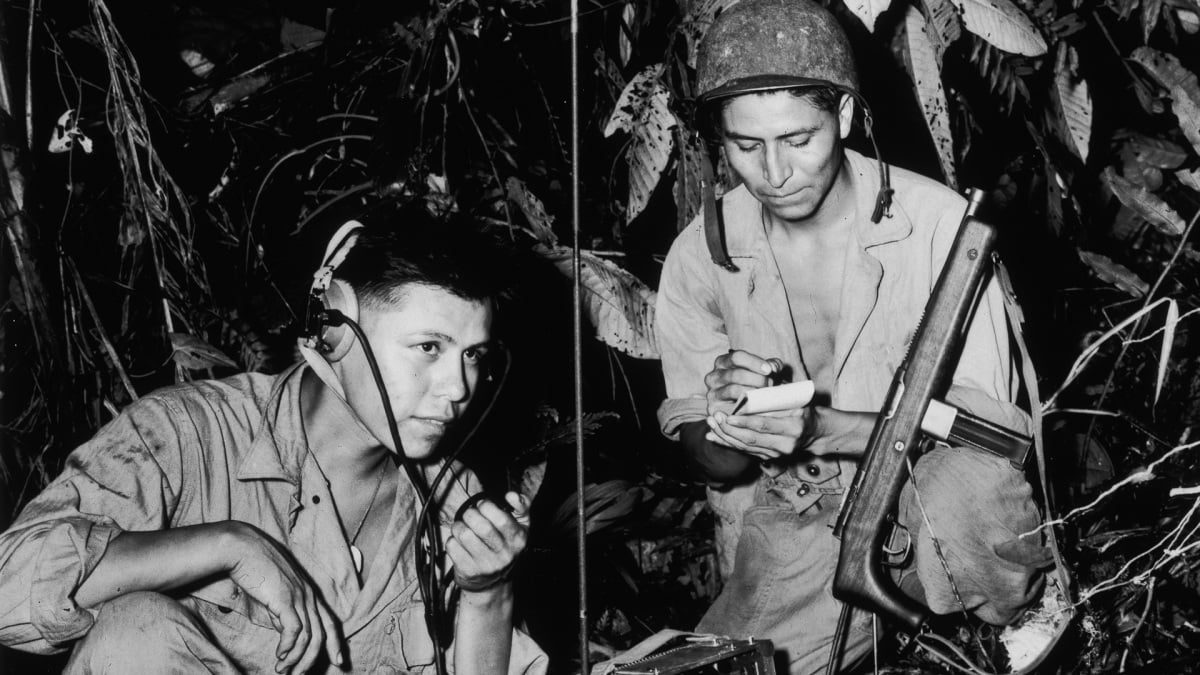
While the Navajo Code Talkers of World War II are most well known for having sent more than 800 messages during the invasion of Iwo Jima, they were not the first.
The first Code Talkers served during World War I. Messages sent and received in the native tongues of the Cherokee, Choctaw and Lakota peoples completely baffled the Germans. When we think of the Code Talkers of World War II, we assume the Navajo were alone. This would also be a wrong assumption. The code itself was developed based on the languages of the Comanche, Hope, Meskwaki as well as the Navajo. It wasn’t enough to speak these languages, a code talker needed to understand the phrases as well. There was no word for submarine in the native languages, so the code for submarine became iron fish.
First we pushed these people off their lands. Then we attempted to “civilize” them by cutting their hair, and making them dress like the White Man while prohibiting them from speaking their own language. That is right up until the Military saw a way to make their strange words work in our favor. It wasn’t until long after World War II had ended did we learn the reason each Code Talker had a soldier assigned to him. They were told these soldiers were there to protect them, when in reality should the Code Talkers be captured, they were to be silenced for the sake of protecting the code. It would be safe to assume the same assassins accompanied the code talkers of the first great war. While the necessity of war can be argued, there is nothing honorable about taking a life. It damages the soul.
Recently I read an article about a Navajo Chef who refuses to serve fry bread in his restaurants. He said Fry Bread was a creation of necessity, to keep from starving on the reservation. Maybe. But my Grandmother was Cherokee. She died when my father was just a boy of nine or ten. His fondest memories are making fry bread with his mother. I once met a man who asked me if in all my old cookbooks I might find a recipe for vinegar pie. It was something he made with his mother during the depression. They both associated these “poor man” recipes not with being poor, but with the warmth of a mother’s love.
I happen to like fry bread. Just as I look forward to Navajo Tacos at Pow wows and Rendezvous. Life is not meant to be forgotten or shoved under the rug. Making Fry Bread doesn’t make you poor, it makes you rich in the memory of home.
Today is both Navajo Code Talker Day and JV Day. What could be better than to enjoy these delicious Navajo Tacos? It’s the tacos I’ll remember, and not the ugliness of the past that is associated with them.
Navajo Spicy Pinto Bean Tacos
Taco Garnish
1 cup Garden Ripe Tomatoes
2 cups Iceberg Lettuce
1 cup Colby Jack Cheese
Fresh Jalapeño Peppers
1 cup Sour Cream
Taco Sauce or Salsa as desired
Dice tomatoes. Rinse lettuce leaves, stack and chiffonade cut into shreds. Stem peppers, dice retaining seeds for additional heat. Set up a condiment station with garnishings, shredded cheese, sour cream, taco sauce or salsa as desired. Keep chilled until ready to use.

Navajo Fry Bread
2-1/2 cups Flour
1 heaping tablespoon Baking Powder
1/2 teaspoon Salt
1 tablespoon Lard
1 cup Milk
In a bowl mix flour, baking powder and salt together. Cut in shortening, working into the dry ingredients with your fingertips.
Warm milk in the microwave, the add to bread dough. Dump dough out on a lightly floured board. Knead fry bread dough four about 5 minutes. Shape dough into a long cylinder, brush with oil. Cover with plastic and let rest for 20 minutes.
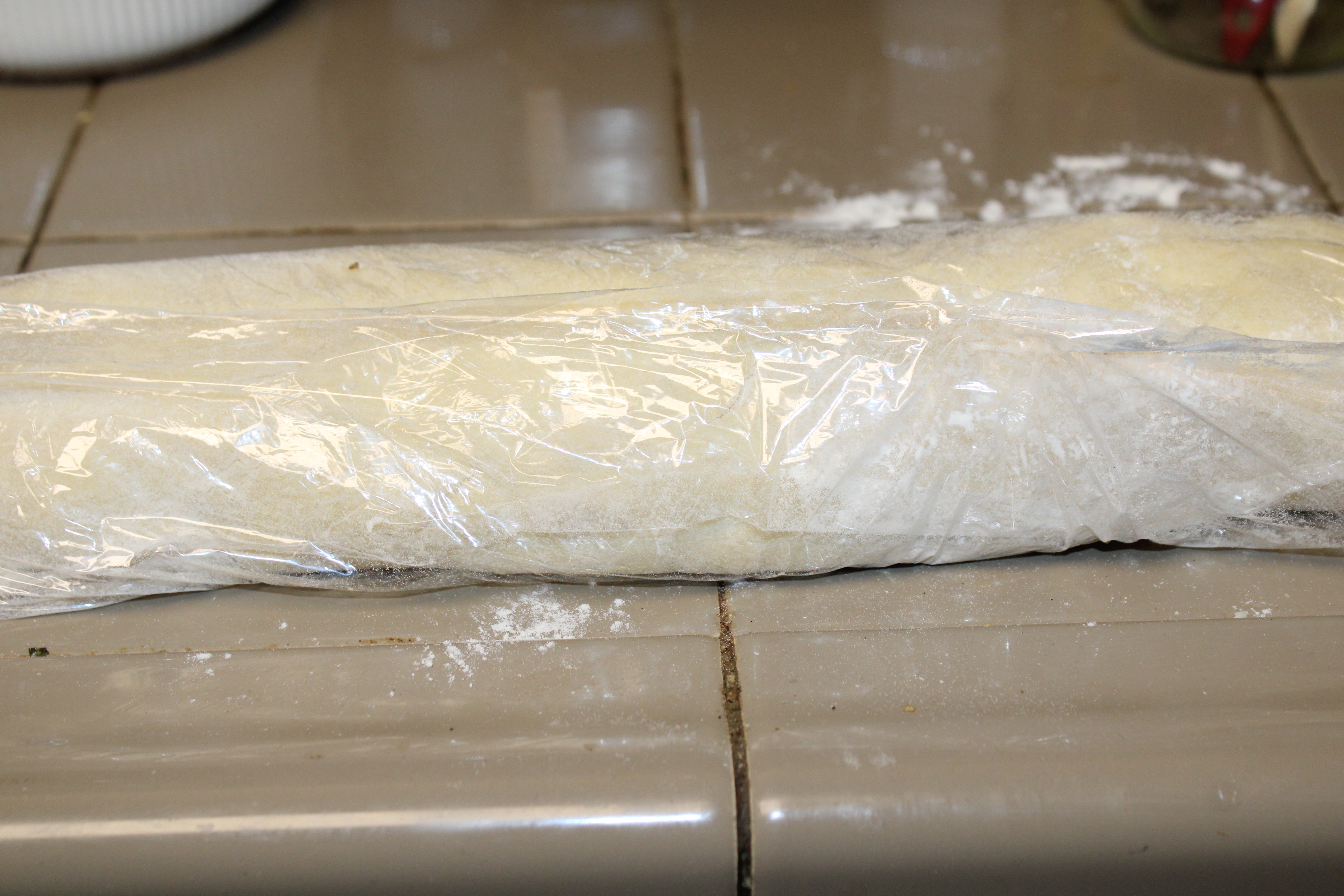
While the dough is resting, make the taco filling.
Taco Filling
1 lb Ground Beef
1/2 lb Chorizo
2 tablespoons Taco Seasoning
2 cans Pinto Beans in Chili Sauce
In a large skillet brown ground beef with chorizo, breaking into small pieces as it cooks. Drain well, add taco seasonings. Fold in the beans including the sauce. Let simmer for 10 minutes or so to thicken.
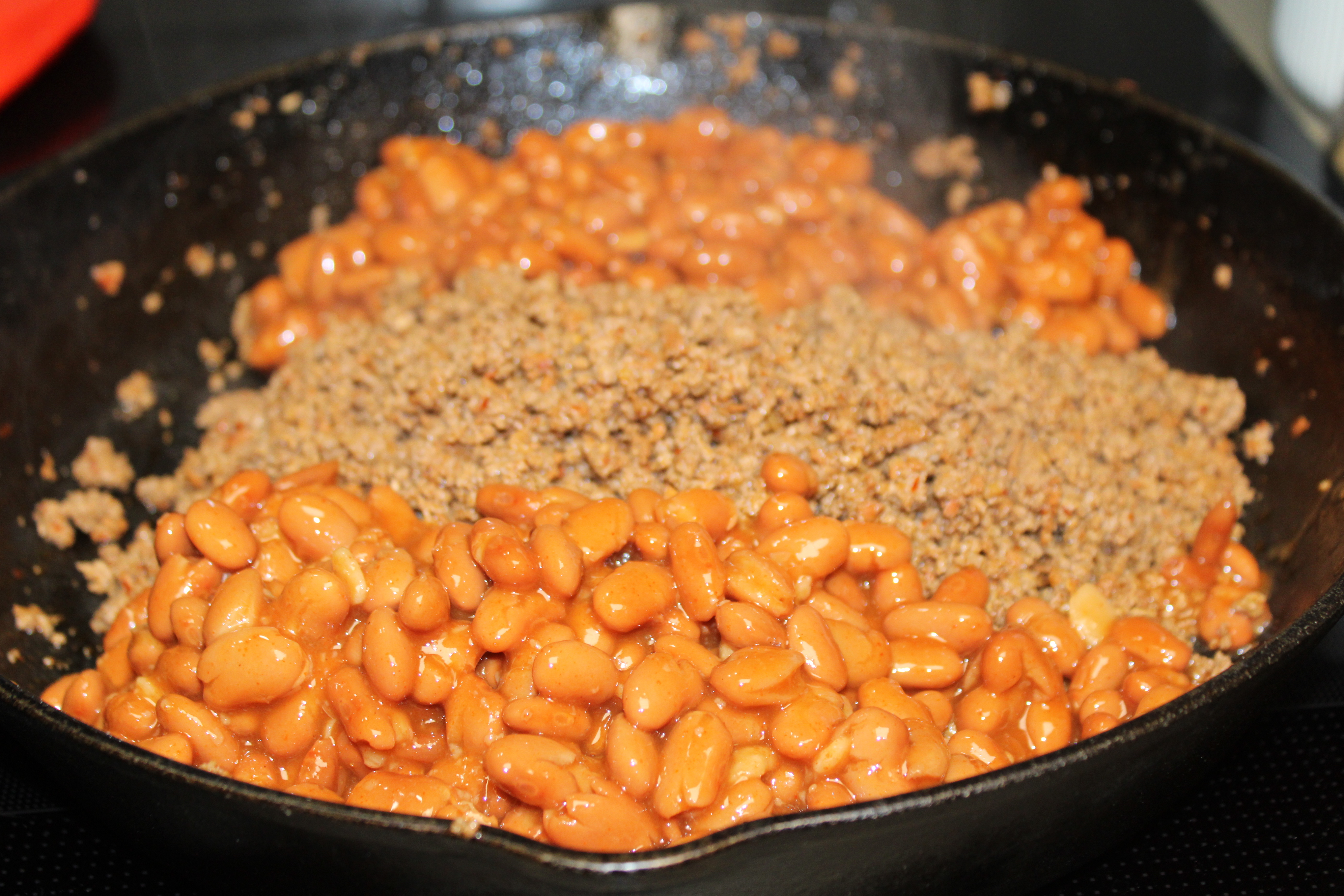

Keep warm until ready to assemble the Navajo Tacos.
For Frying
1 cup Vegetable Oil or as needed
When ready, cut the fry bread dough into 8 to 10 equal parts. (The more pieces, the thinner the actual fry bread will be. The thinner the fry bread, the easier it is to fold like a taco rather than eat open like a tostada). Work with one part at a time, keeping the remaining dough covered.
Spray two pieces of waxed paper with cooking spray, set aside. Roll the piece of fry bread dough out into a ball and place between sheets of paper. Flatten the dough by hand, with a rolling pin or tortilla press to create about a 4-inch round tortilla. Don’t worry if the fry bread isn’t perfectly round, this just adds authenticity to the taco. Keep covered between pieces of paper until ready to fry. Repeat until all pieces of fry bread are ready for frying.
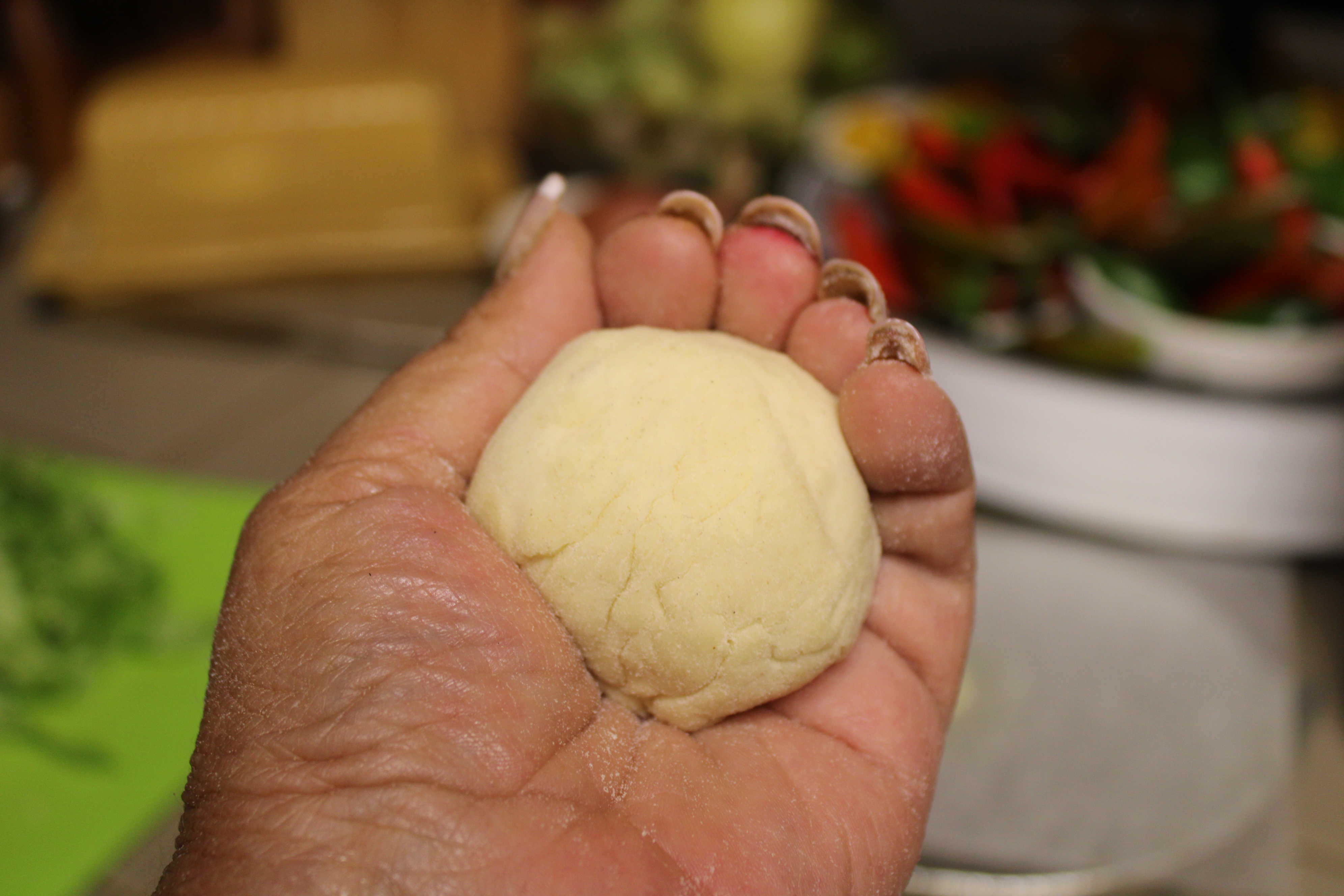

In a large cast iron skillet, heat oil to about 350-degrees. Drop a tiny piece of dough into the oil – once it sizzles, the oil is ready. Working with one fry bread round at a time, fry in the hot oil until golden brown, swirling as it cooks to prevent burning. Use the end of a wooden spoon to swirl the bread, flip and continue to fry until both sides are beautifully browned.

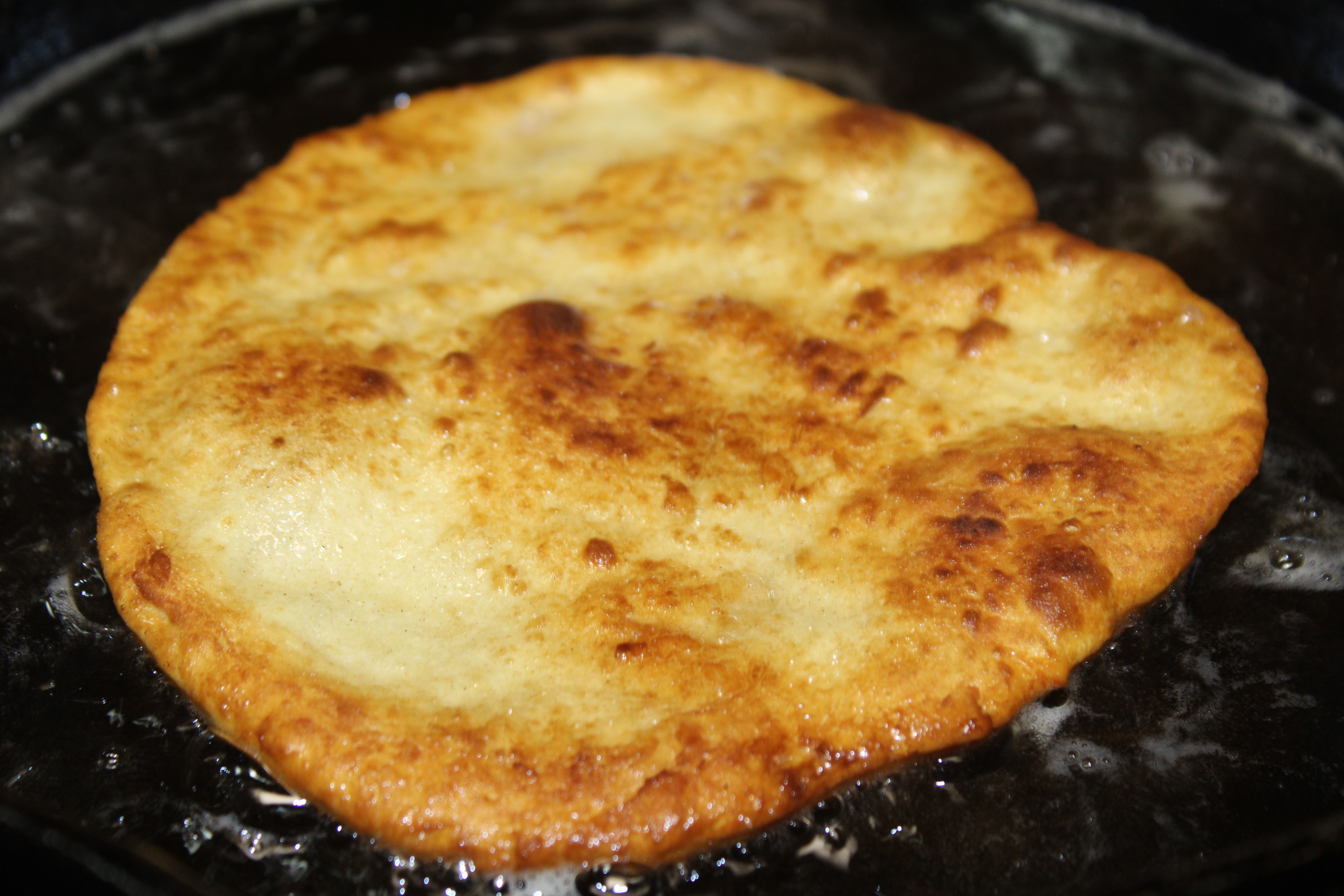
Blot on paper towels to remove excess oil, then hold on a wire rack in a warm oven until all the breads have been fried.
Top fry breads with the meat-bean mixture, garnish as desired with favorite toppings and enjoy.

When Israel came forth from Egypt,
the house of Jacob from a people of alien tongue,
Judah became his sanctuary,
Israel his domain.


Looks delicious! To me fried bread is something to serve at breakfast. It’s a slice of preferably stale bread fried in fat, but just on one side.
LikeLike
This is cooked by frying. It’s also great with honey or topped with fruit.
LikeLiked by 1 person
Reminds me more of French “pain perdu”
LikeLiked by 1 person
Did not know that America used native Americans as coders.
LikeLike
Oh yes. It’s an interesting part of our history.
LikeLiked by 1 person