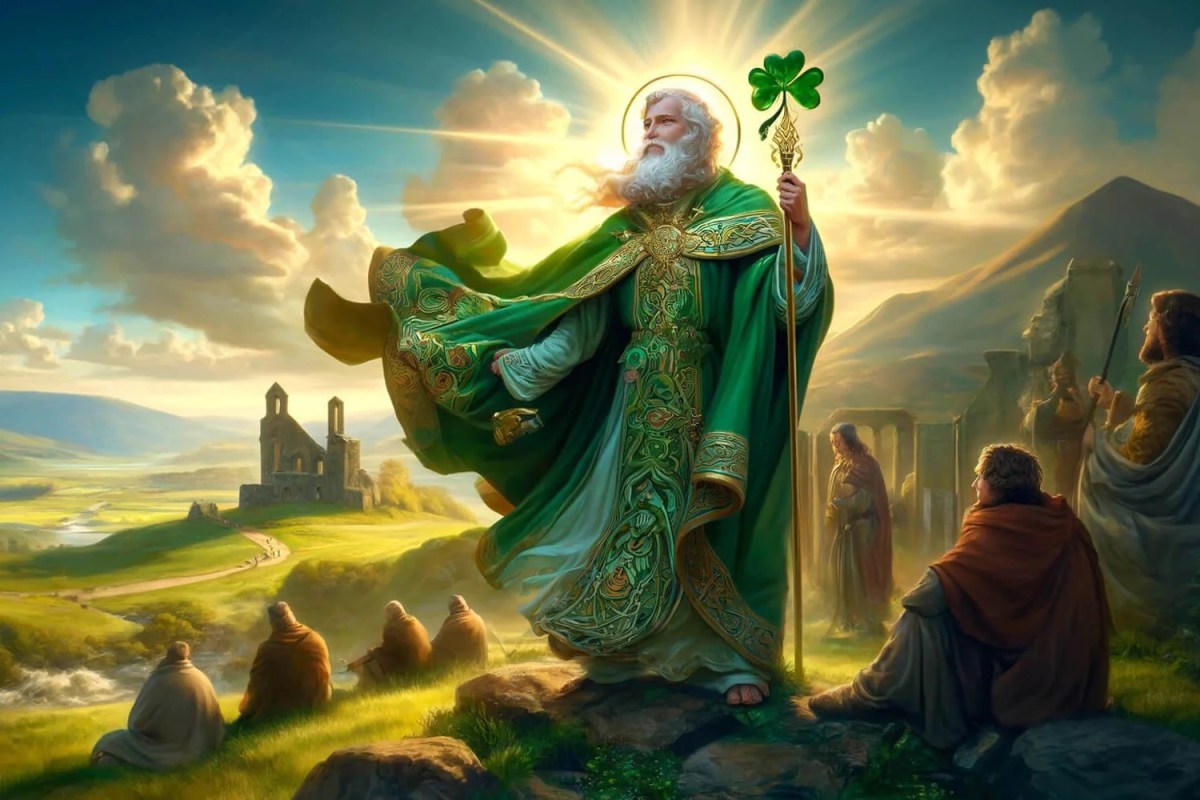
Today we celebrate Saint Patrick’s Day. You don’t need to be Irish or even Catholic for that matter to get caught up in the festivities that abound in America on Saint Patrick’s Day. Most of how this day is celebrated wasn’t brought from Ireland but rather is American born. The Irish have better things to do than dye their rivers green.
The real story of Saint Patrick is another amazing example of forgiveness, love and compassion. Saul persecuted the early Christians, and yet Christ called him to repent and to bring the Gospel to the gentiles. Saint Patrick wasn’t Irish. He was captured as a young man, brought to Ireland as a prisoner. Yet after escaping, he felt compelled to return to the very people who had captured him with forgiveness in his heart.
Although Patrick was born in England, he was a citizen of Rome. His family was Christian, his father a church deacon. There is some speculation that his family wasn’t necessarily devout in their faith, but rather there were certain benefits, including tax exceptions, for those in religious offices such as a deacon. Patrick was a cradle Catholic, born in a time when even Priests married and had families of their own. His grandfather was a Priest, as strange as that sounds to Catholics today. (Celibacy didn’t become mandatory until the Eleventh Century. Prior to that, it wasn’t forbidden for a Priest to marry).
Like many of the Saints and other famous figures from long ago, there are myths and falsehoods surrounding Saint Patrick. He did not bring the Catholic Faith to Ireland. It was already there, although not widely practiced. He did not rid Ireland of snakes. There were none on the Emerald Isle to begin with. He did bring his Catholic teachings to the forefront, and some say the image of driving snakes out of Ireland symbolized ridding Ireland of pagan worship.
Saint Patrick is recognized throughout the world as the Patron Saint of Ireland. There are Catholic Churches that bear his name. I was baptized at Saint Patrick’s Church. Saint Patrick’s Cathedral in New York is easily recognized by Catholics and non-Catholics alike.


And yet Saint Patrick himself was never officially canonized by the Church as a saint. This is simply due to the fact that he lived and died during a time when there was no formal canonization process. Many of the earliest Saints were simply proclaimed saints. Saint Peter, the Apostle, immediately springs to mind as a non-canonized saint, as does Saint Paul. Catholics will be the first to tell you we don’t know all the saints. Only God knows.
Today in celebration of Saint Patrick’s Day I thought a nice stew was appropriate. While most authentic Irish stews are Lamb (or mutton – since a long slow cook would render mutton more suited for consumption), Hubby is not a fan of Lamb. And frankly, I’ve done enough with beef for Saint Patrick’s Day in the past. So today’s Chicken Stew is a nice change of pace. Espeically this particular Chickne Stew – made in a pressure cooker. So no matter how complicated your day might be, dinner is done in an instant!
Irish Chicken and Vegetable Stew
4 slices Bacon
1-1/2 lbs Yukon Gold or Baby Red Potatoes
2 whole Carrots
3 boneless Chicken Breasts
2 cups Chicken Stock
2 teaspoons Onion Powder
1 teaspoon Garlic Power
1 teaspoon Caraway Seeds
1/2 teaspoon Coriander
1 teaspoon Thyme
2 Bay Leaves
Salt to taste
Black Pepper to taste
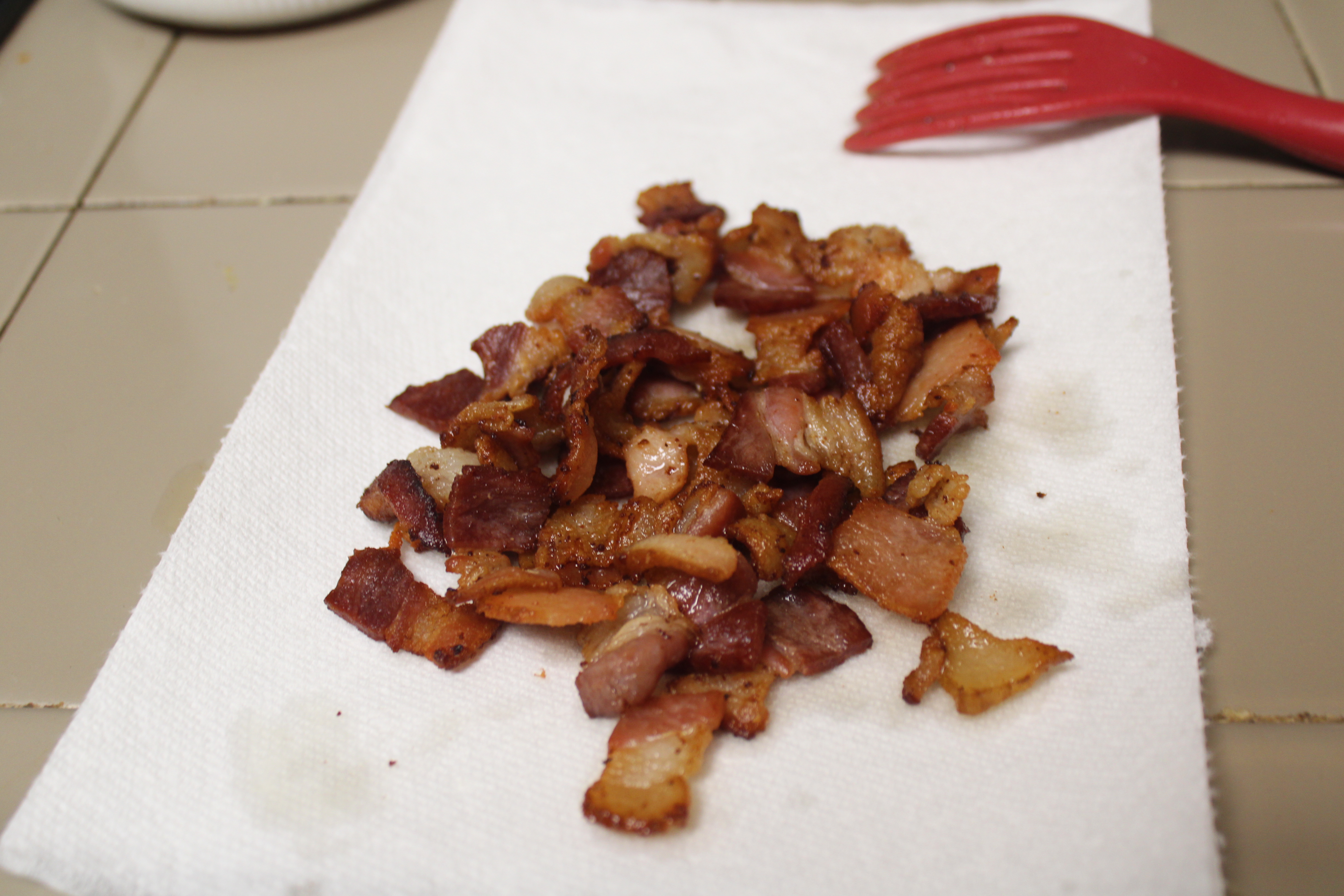
Stack bacon, dice. Fry bacon until nicely browned. Drain on paper towels and set aside.
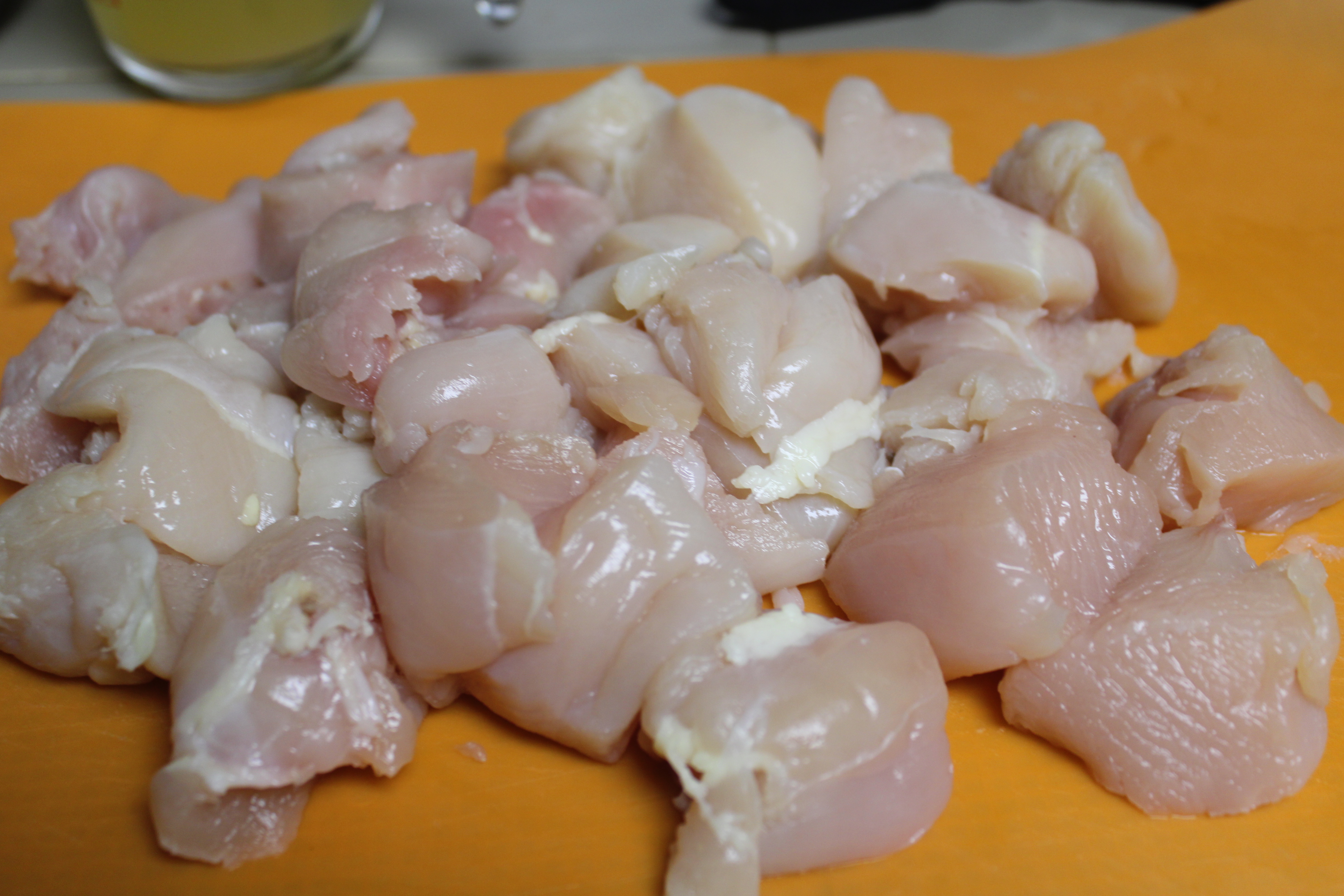
Scrub potatoes, cut into chunks. Peel potatoes, cut into large rounds. Cut chicken into 3/4-inch cubes. Set aside.

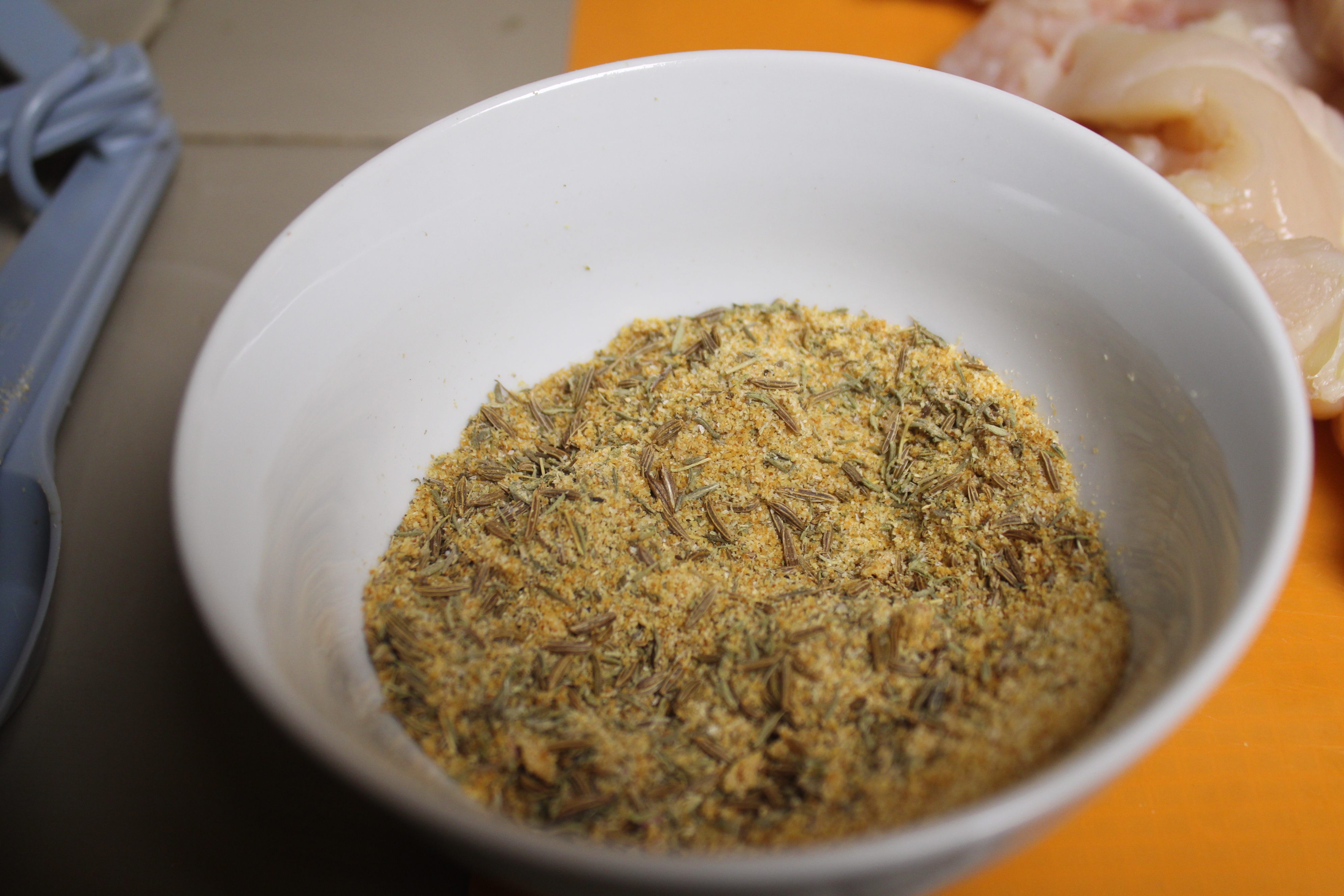
Whisk seasonings together in a small bowl to create a blend of flavors. In the insert of the Instant Pot scatter potatoes and carrots. Add chicken stock, bacon bits; then sprinkle with half of the seasoning blend. Add bay leaves, then the cubed chicken; sprinkle with remaining seasoning mix.
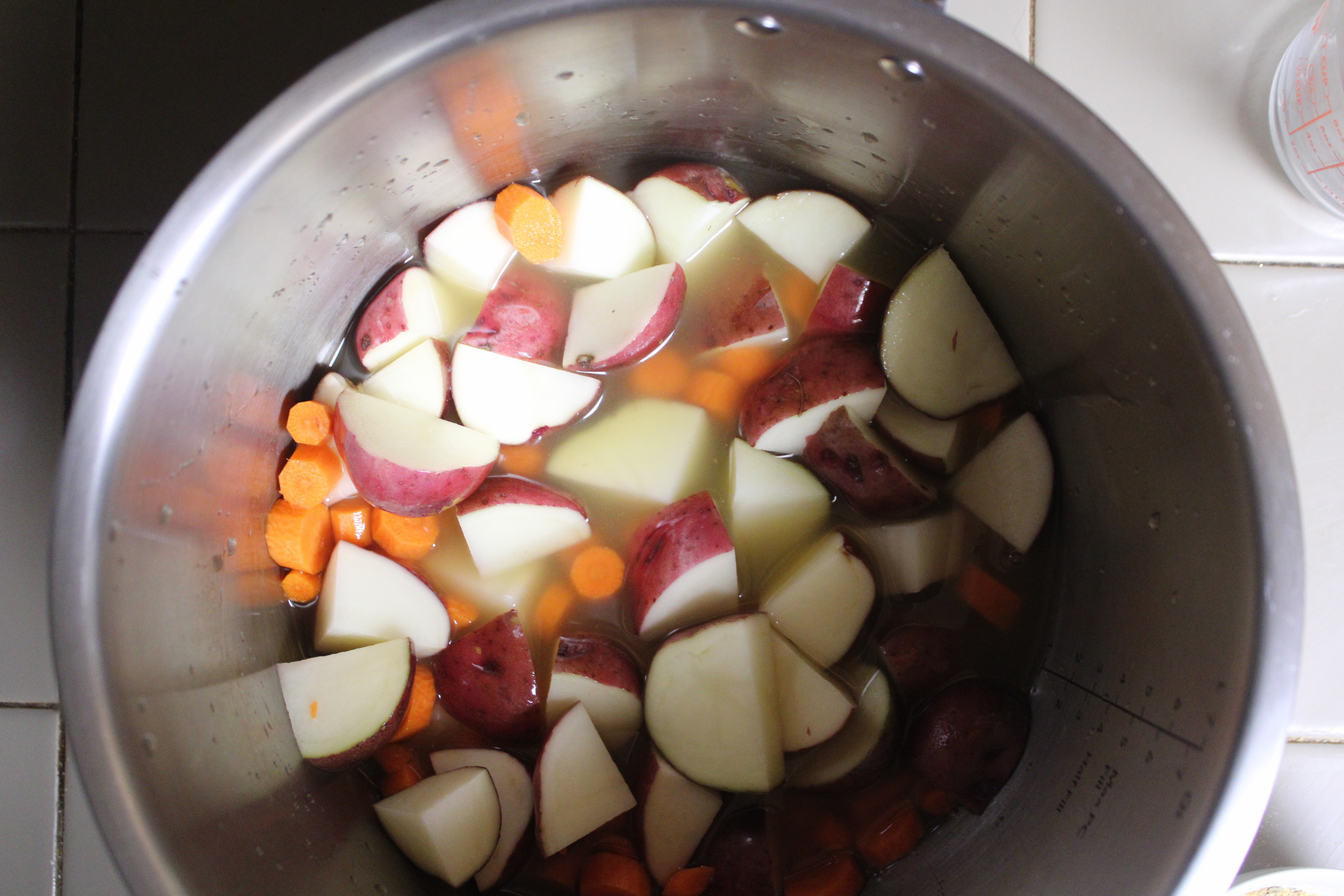
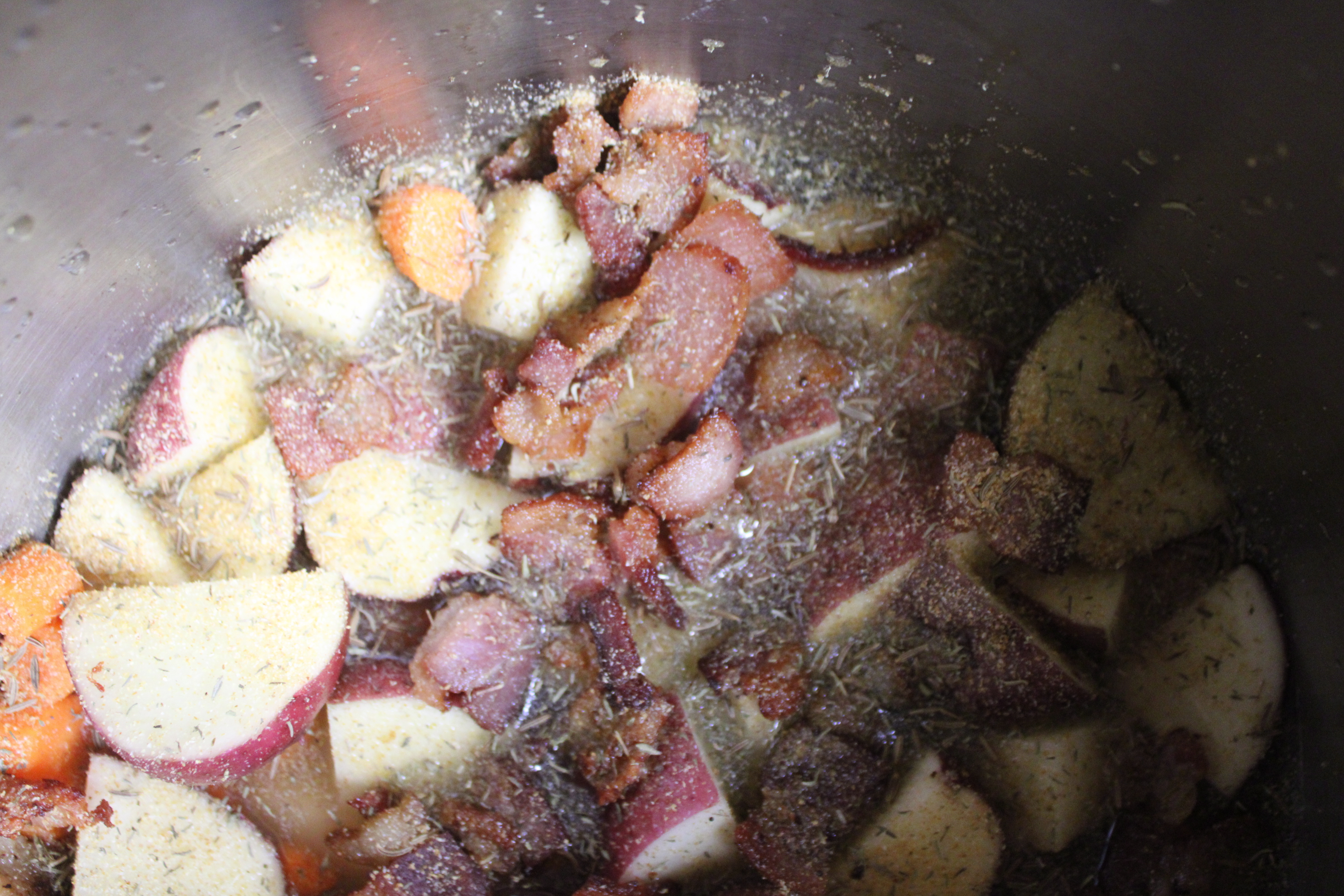
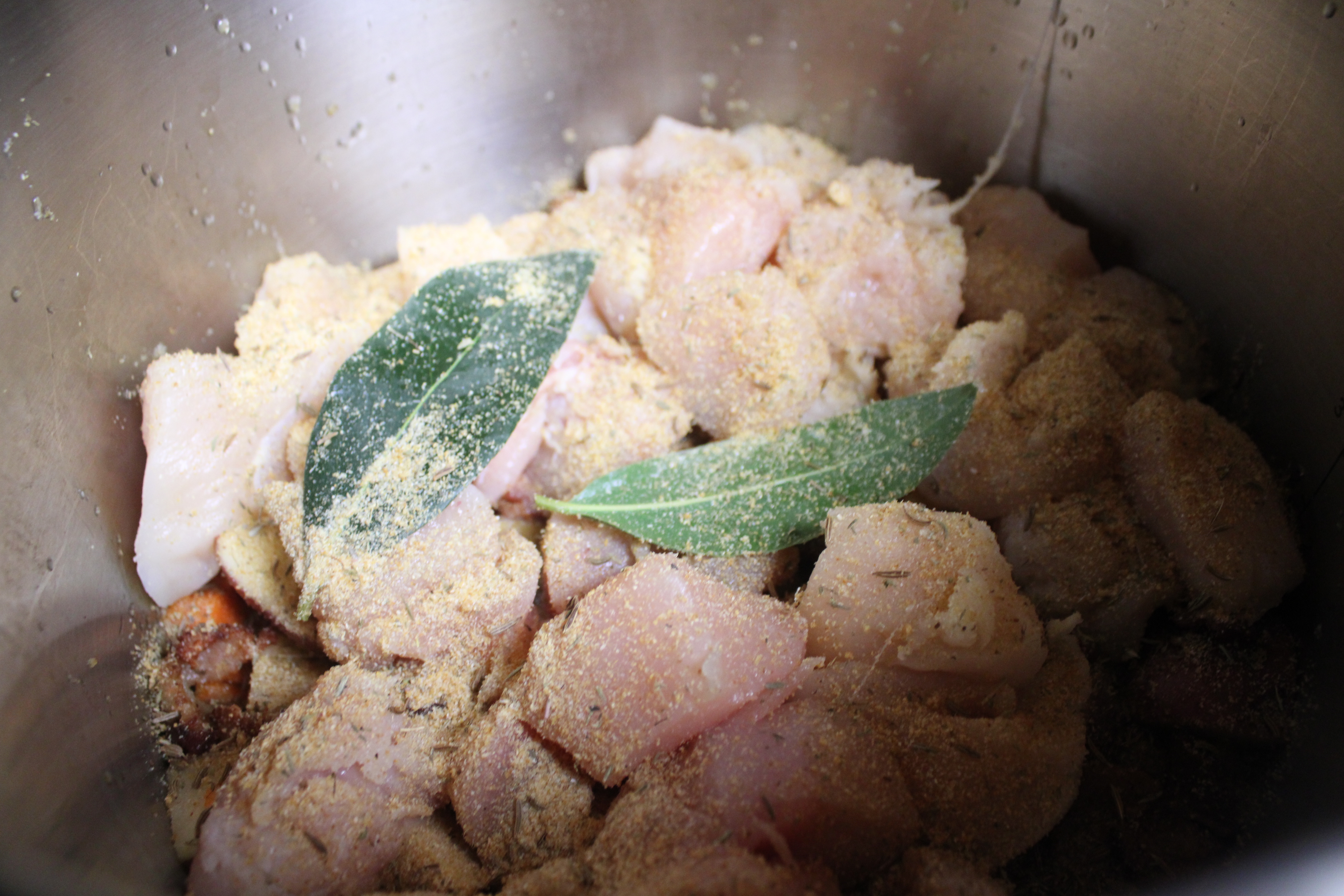
Lock lid in place. Set HIGH for 6 MINUTES. Press start. Once pressure has built and the cooking time has elapsed, allow the pressure to release naturally for 5 minutes, then use the quick release value.
Open the lid, stir gently, taste and adjust seasonings with salt and pepper. Transfer stew to a large bowl or serving pot with ladle. Serve into bowls with Shamrock Biscuits and enjoy.
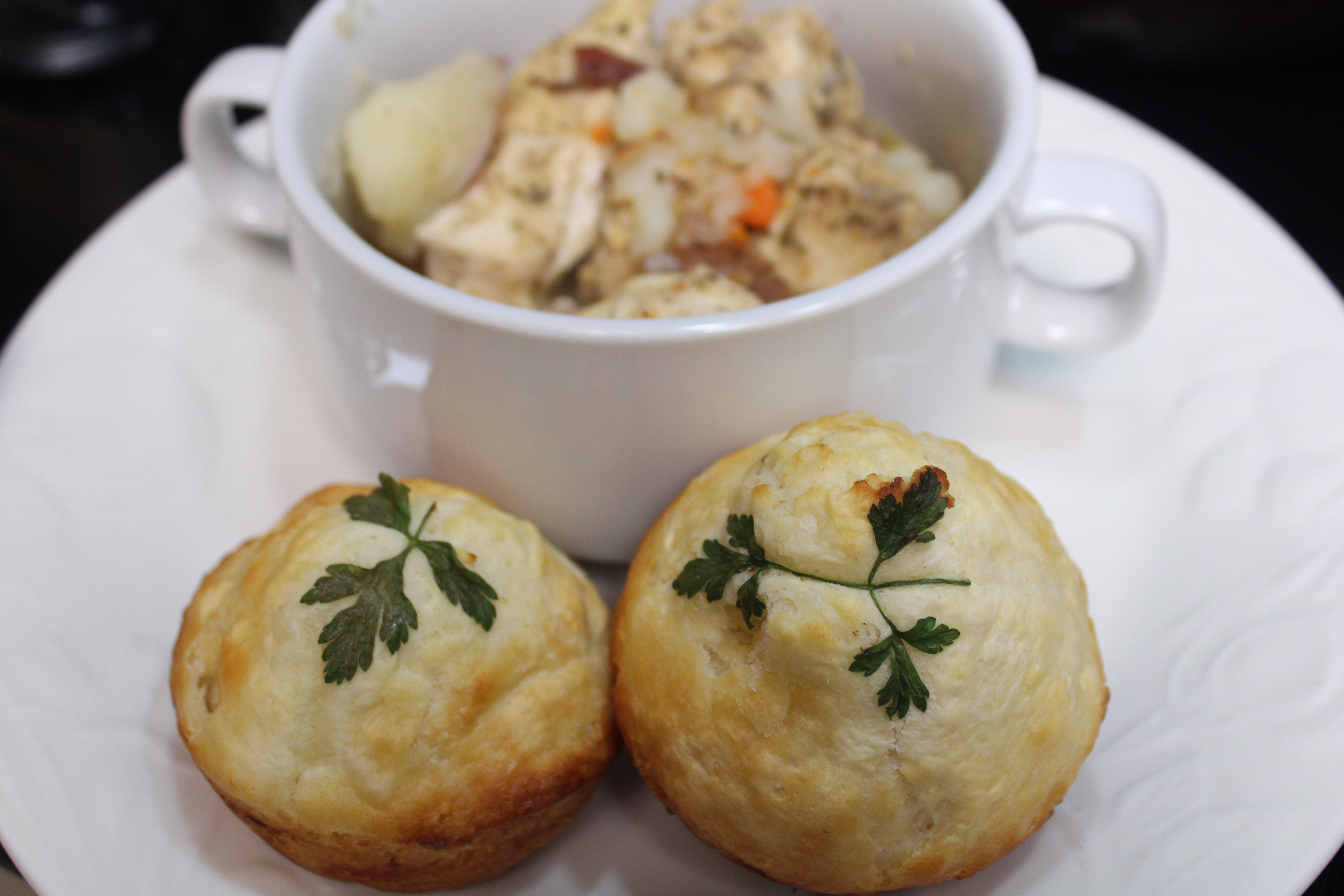
Shamrock Buttermilk Biscuits
Flat Leaf Parsley as needed
2 cups Flour
3 teaspoons Baking Powder
1/4 teaspoon Baking Soda
1/2 teaspoon Sea Salt
1/3 cup Shortening
3/4 cup Buttermilk
4 tablespoons softened Butter or as needed
Heat oven to 450 degrees. Line a rimmed baking sheet with parchment paper and set aside.
Snip parsley from bunch to create “shamrocks”. Wash leaves gently, pat dry and set aside until ready to use.
Sift dry ingredients (flour, baking powder, baking soda and salt) into a large mixing bowl.
Use a fork to cut the shortening into the flour mixture to create a coarse crumb texture.
Add the buttermilk all at once and stir quickly.
Lightly flour a cutting board. Dump the biscuit dough onto the board and knead about 10 to 12 times. Pat kneaded dough into a disk that is about 1/2-inch thick.
With a 2-1/2 inch round cutter, form biscuits. Arrange biscuit rounds on the prepared baking sheet.
Lightly brush the tops of each biscuit with softened butter. Using the parsley, arrange “shamrocks” on the tops of the biscuits.
Bake in the heated oven for 12 minutes. Serve warm with additional soft butter if desired.

The LORD of hosts is with us;
our stronghold is the God of Jacob.
Come! behold the deeds of the LORD,
the astounding things He has wrought on earth.
The Lord of hosts is with us; our stronghold is the God of Jacob.

 Welcome to Rosemarie's Kitchen
Very appropriate
LikeLiked by 1 person
Thank you
LikeLiked by 1 person