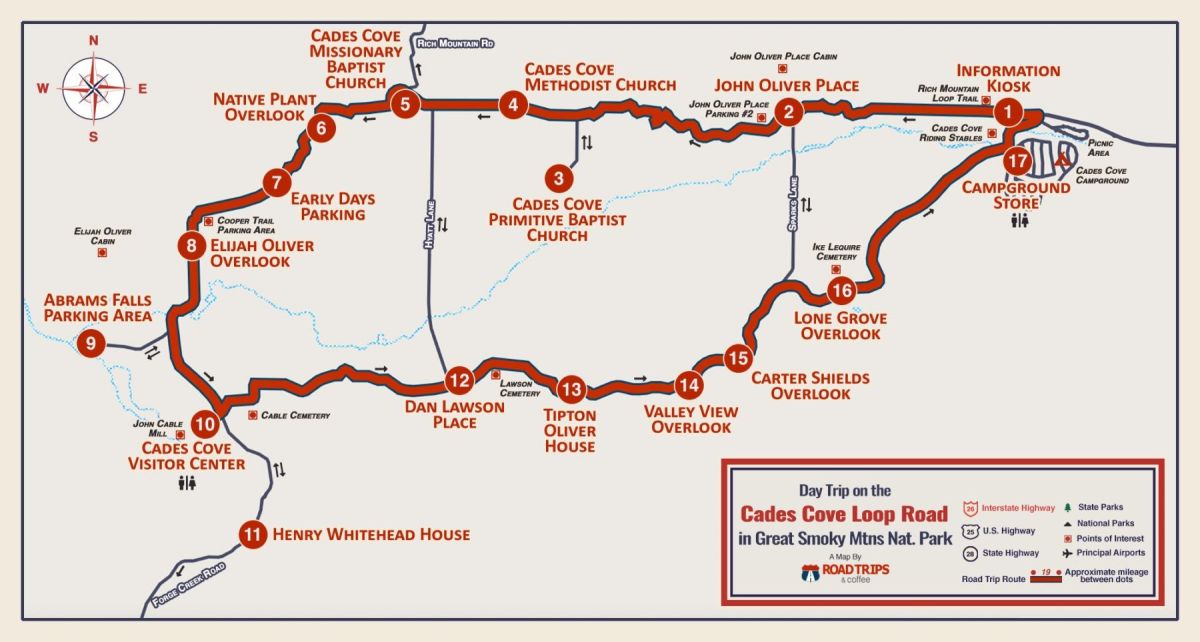
First-time visitors to this most visited National Park can get an amazing cross-section of what the park has to offer simply by driving the 11-mile-one-way Cades Cove Loop. There are ample opportunities to see wild life, enjoy vast meadows and the Smoky Mountains themselves.

The loop itself is only a fraction of the massive park. Depending upon traffic, the loop can take 3 hours on a good day, or nearly 8 on the weekends, when the road craws almost to a halt. Should a deer or even better a bear be easily be spotted from the road, you can bet traffic will stop. There are a few pointers everyone should be aware of before heading out – check the weather, obtain actual maps (no cell service in the valley), fill your gas tank (no filling stations in the park), use bug spray and bring plenty to eat and drink – especially water if you plan to hike at all.
Long before European settlers arrived, this beautiful cove was Cherokee territory. They called this place “Tsiya’hi”, Otter Place. The name of the cove, Cades, was given by a Cherokee Chief, Chief Kate, who lived in the area. This was once prime hunting grounds for the indigenous people.
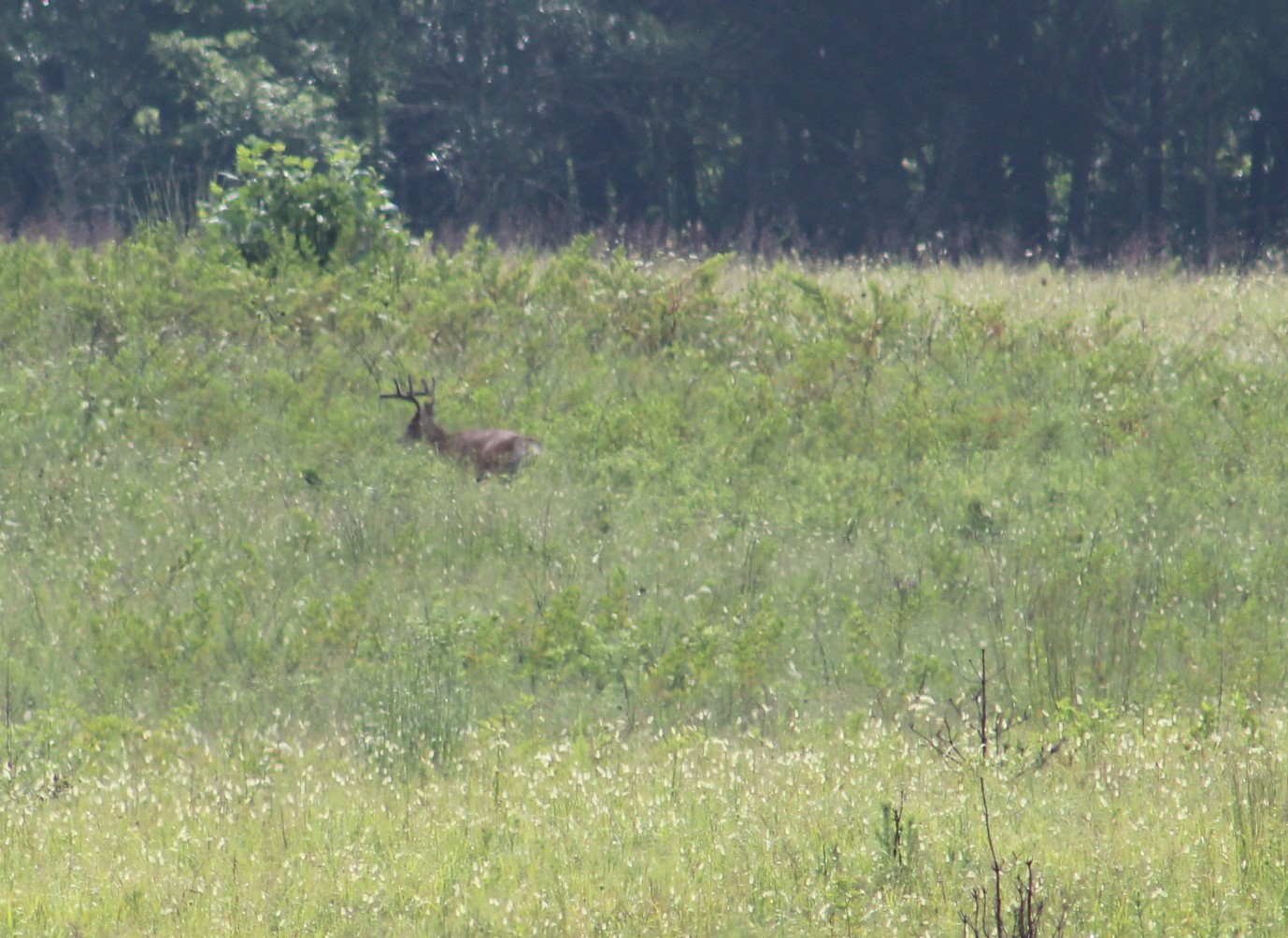
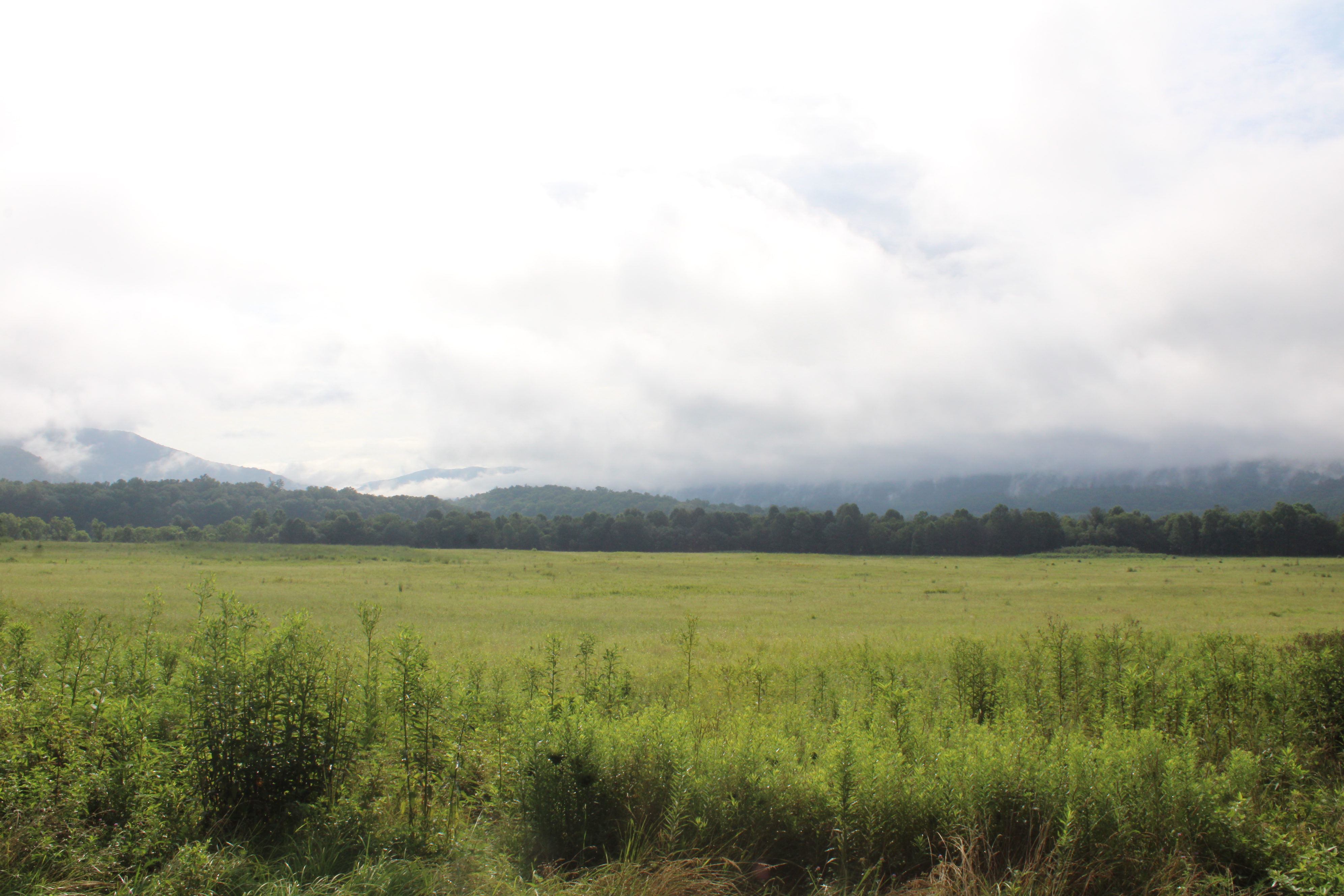
By 1850 the valley’s population had peaked at about 700 people. There were farms, churches, schools and mills throughout this self-sufficient mountain community. Life followed the natural rhythms of the changing seasons. Spring was a time to plant, summer livestock grazed in the grasslands, autumn was a time to harvest. Winter was filled with social gatherings as people supported one another to survive life in the mountains. The park itself was crated in 1934, forcing the remnants of its residents to give up their way of life. Today the Cades Cove Loop provides breathtaking views from forest to meadows. If you look carefully and know what to look for, deer are sure to come into view.


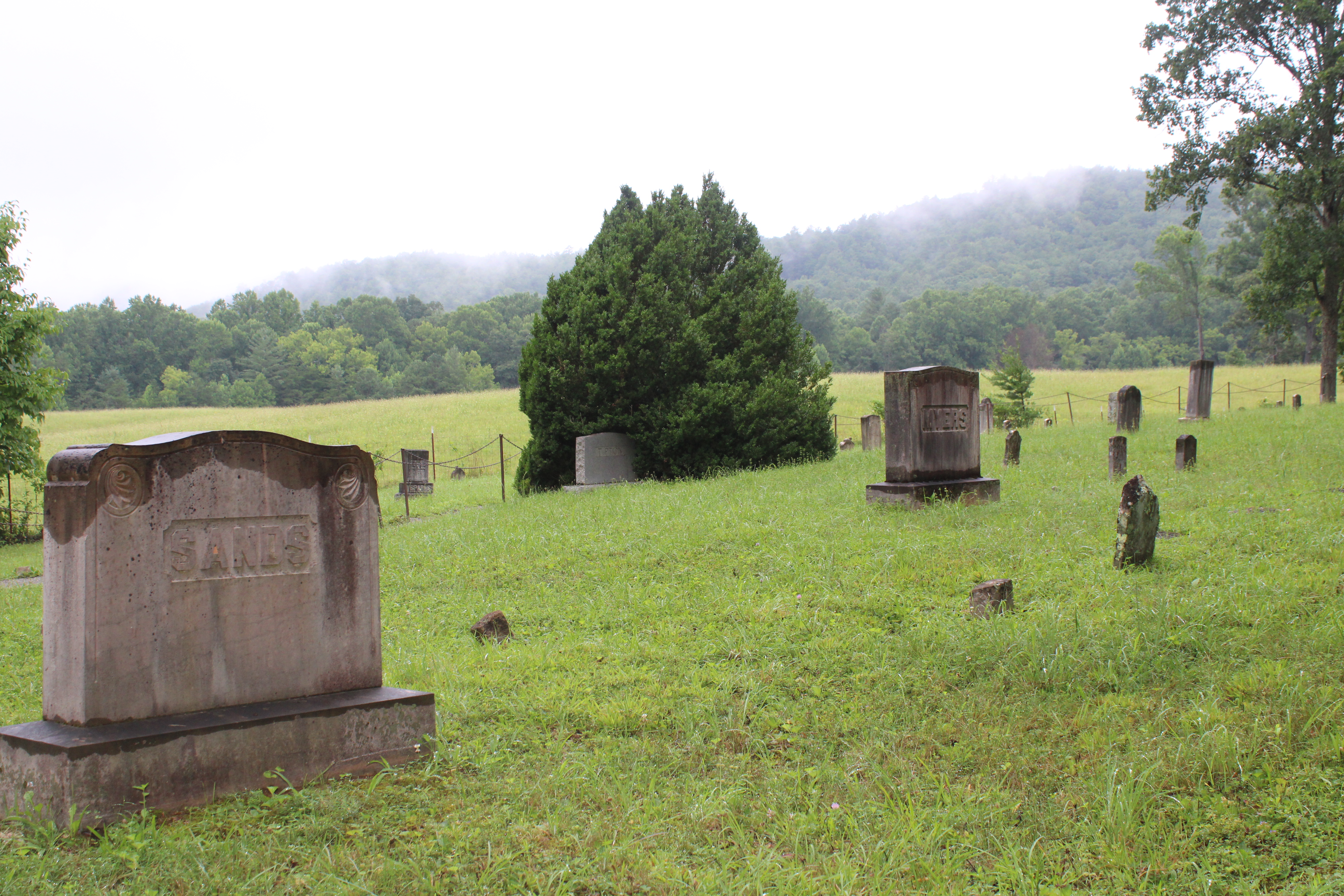
We visited what remains of two of the three churches. John and Lucretia Oliver, two of the first settlers to the area, helped to build a Baptist Church in 1827. Before that the Baptist had to travel through the mountains to attend Sunday Services in either Miller or Wears Coves.


Methodists also lived in Cades Cove, so naturally they wanted a church of their own. In the beginning the Methodist held services in a log structure with just a dirt floor. Then in 1902 under the direction of Pastor John D. McCampbell, who also happened to be a carpenter, a true church was built.

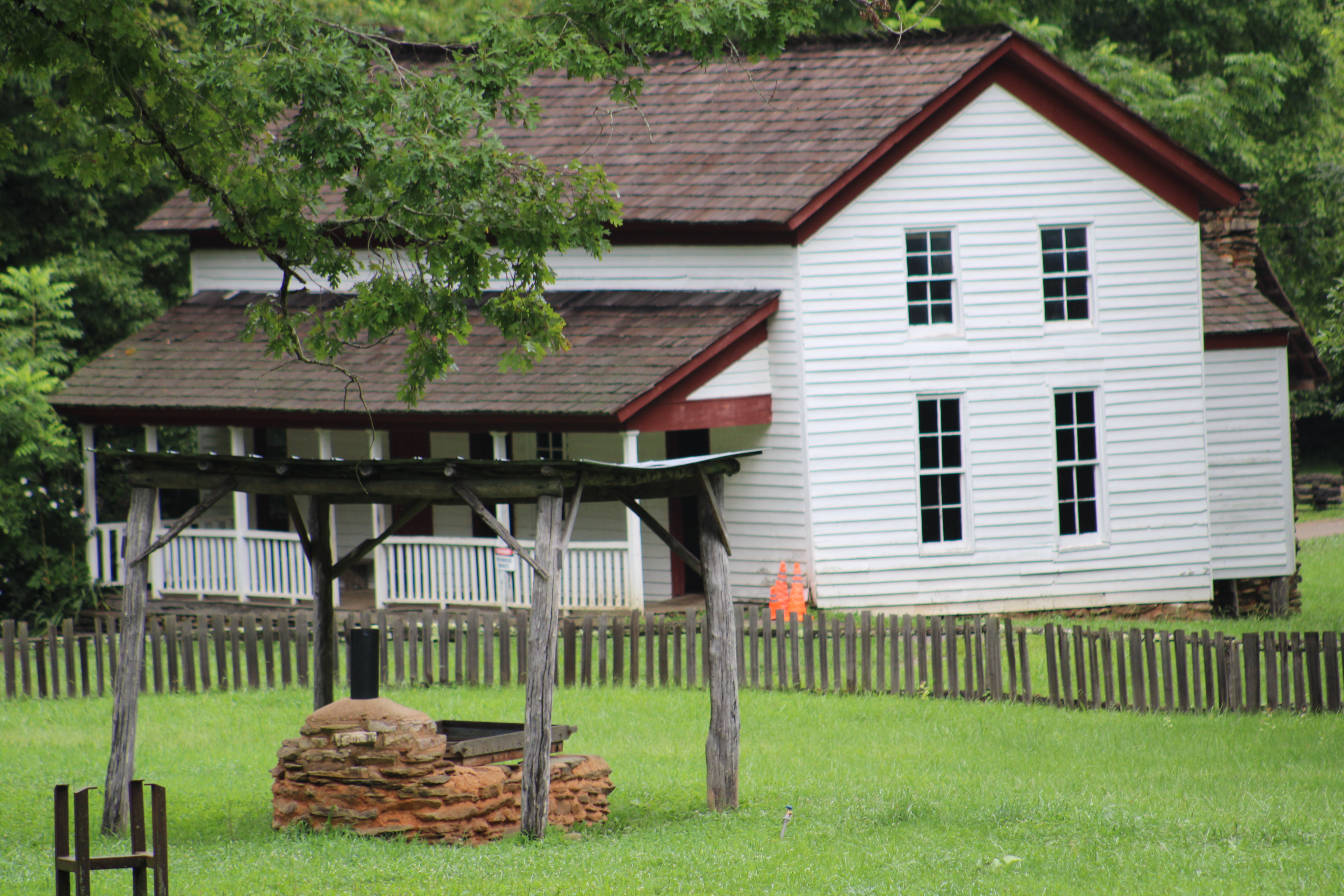
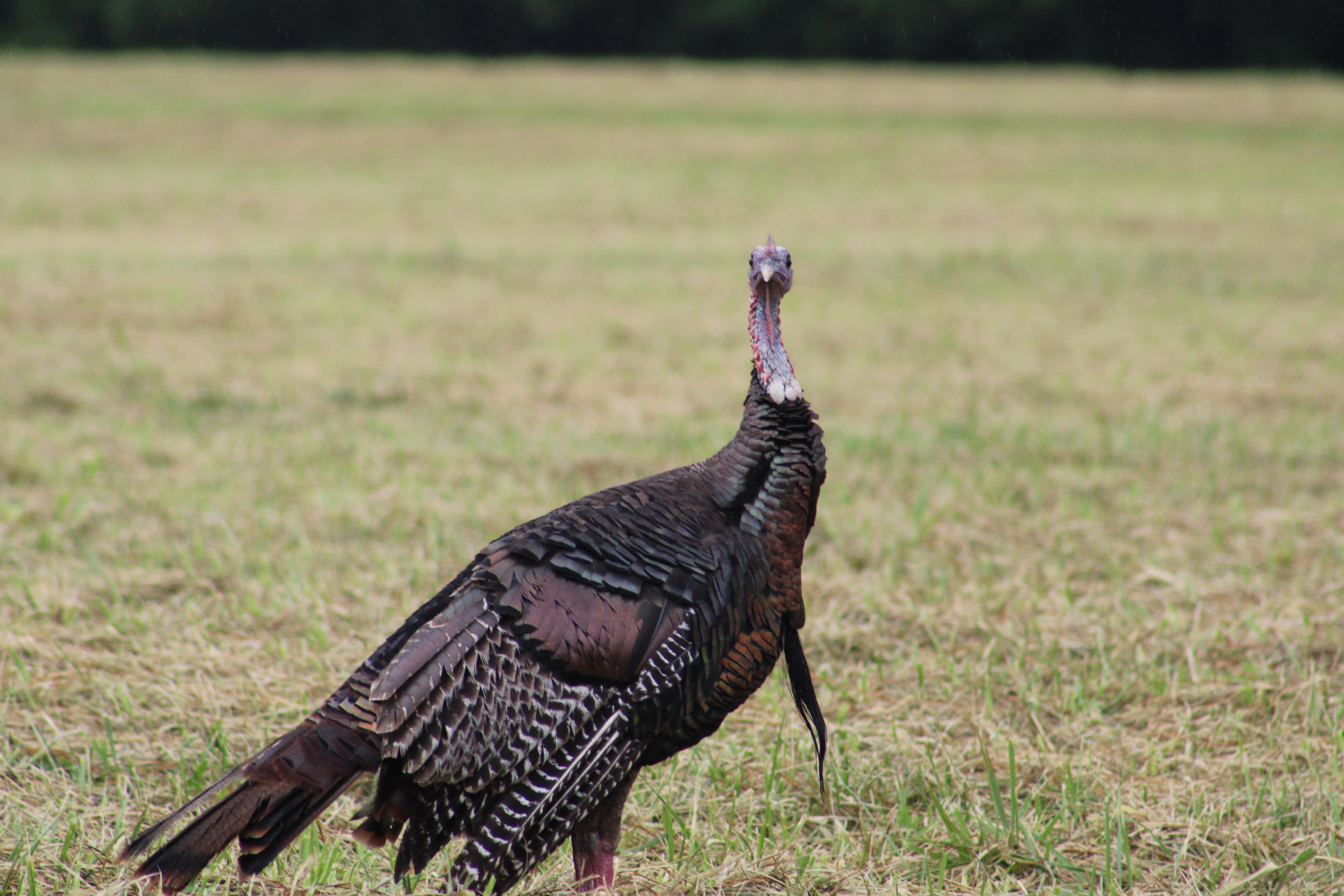
Another wonderful place to stop and stretch your legs would be the Cable Mill Historic Area. Not only is there ample parking, there is a small souvenir shop and bathrooms in addition to the mill itself. Not only is Cable Mill popular with the visitors, it’s popular with the wild turkeys, too. Just watch out for the wicked spider webs up in the trees.



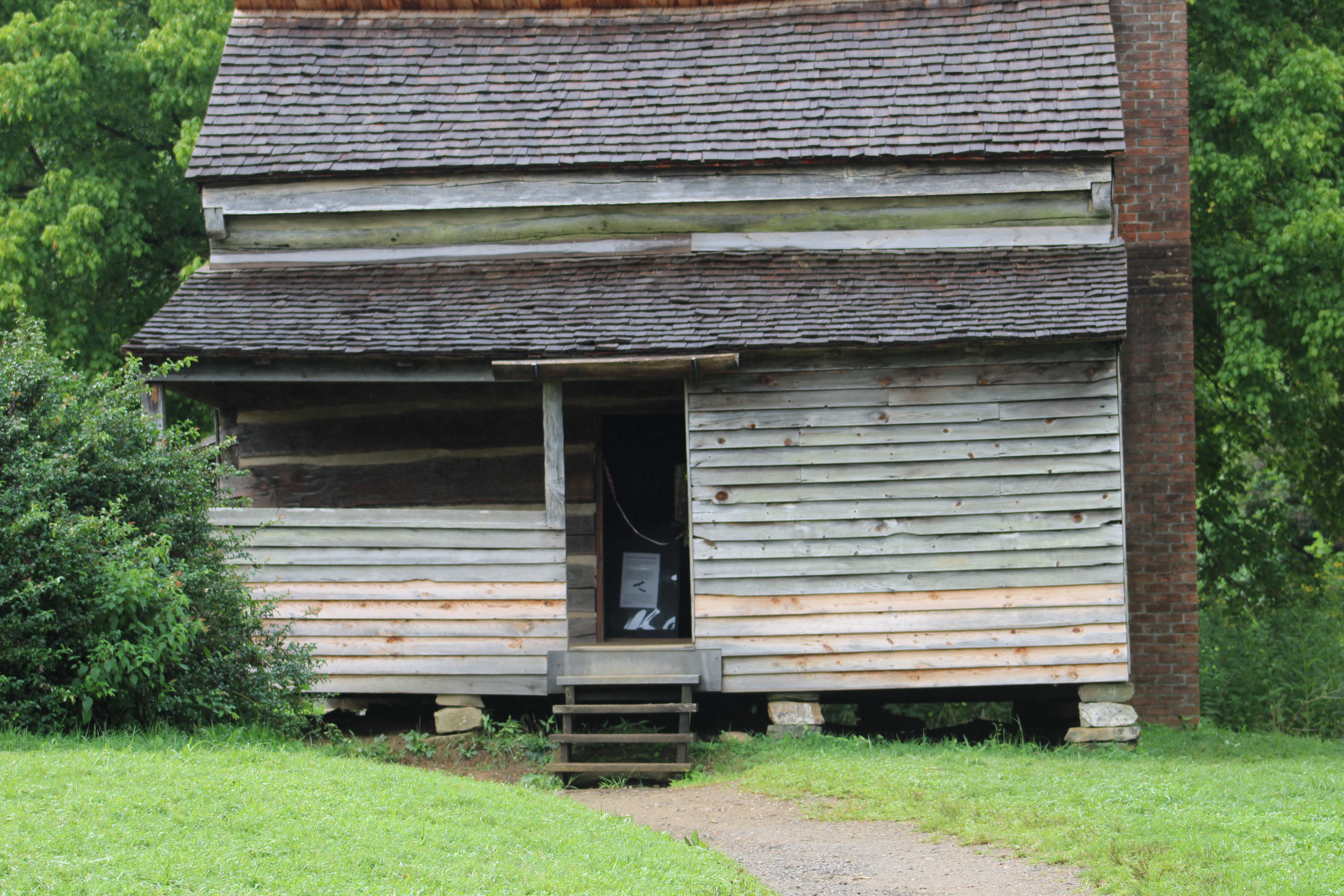
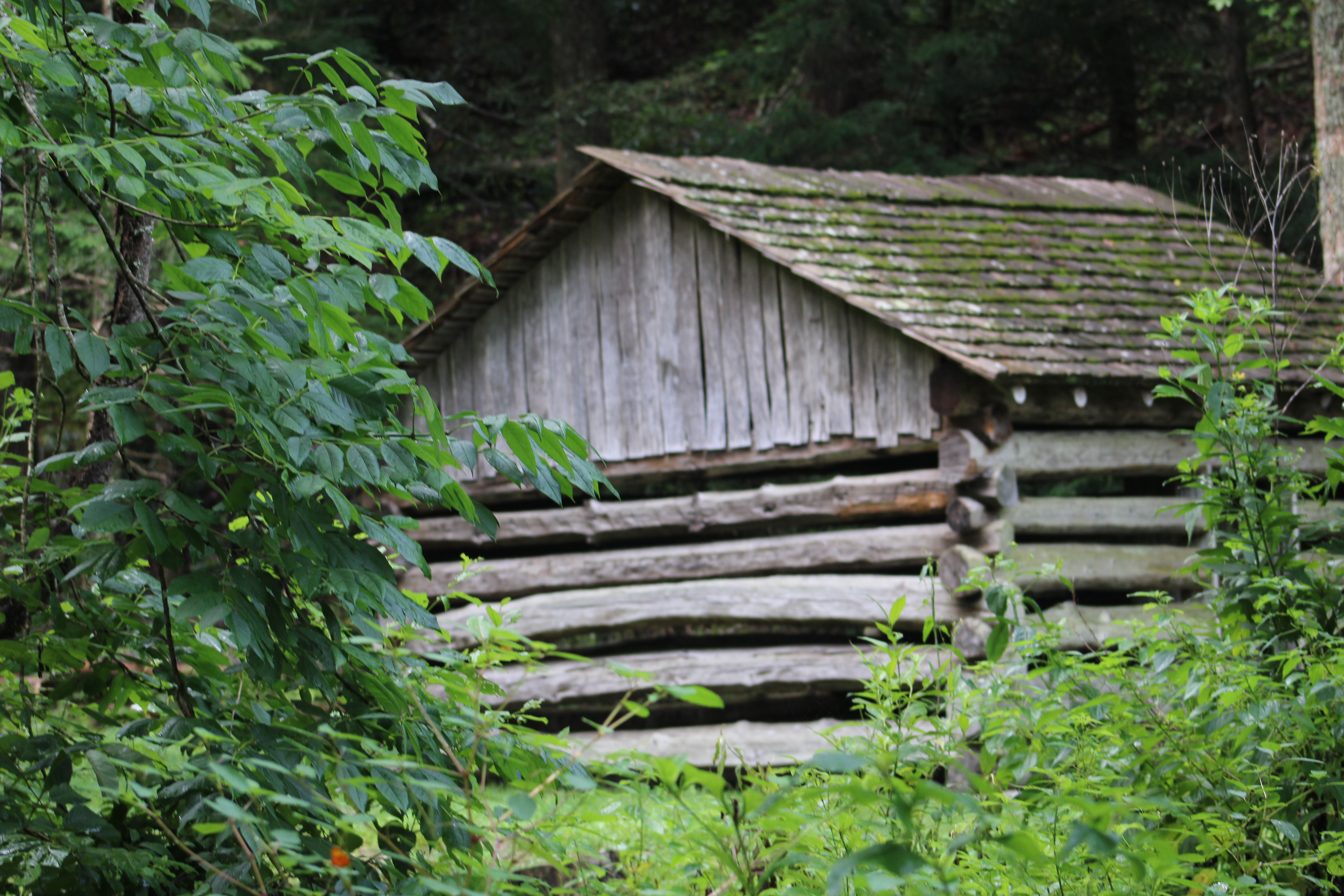
Dan Lawson’s place is within easy reach from the road and worth a moment to explore.


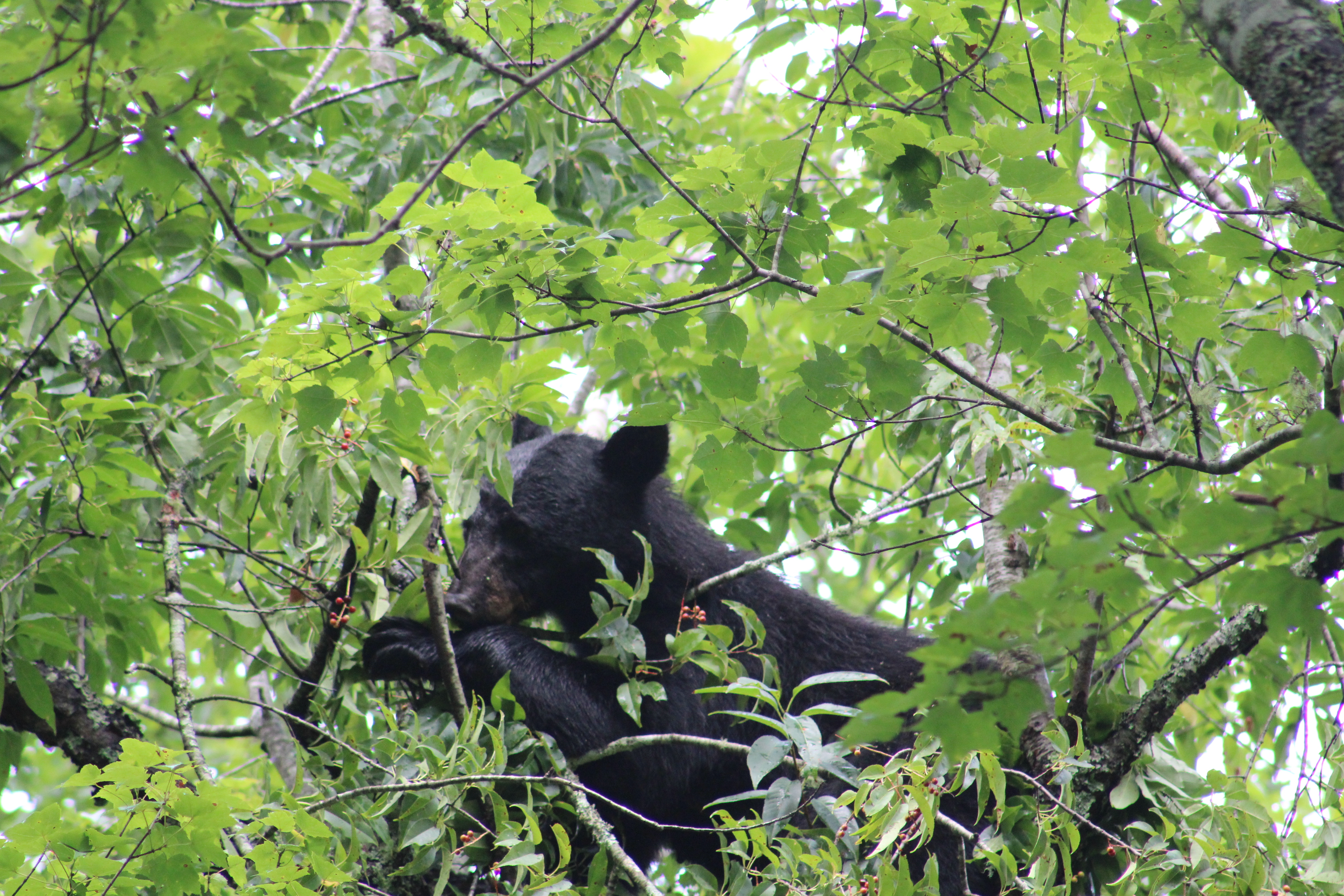
Not far from Lawson’s place the day of our visit, a young bear had decided to climb a tree alongside the road. He created quite the traffic jam as people scurried from their cars and gathered on either side of the road. The best view was just across the way. He was oblivious to all the cell phones and cameras pointed in his direction.

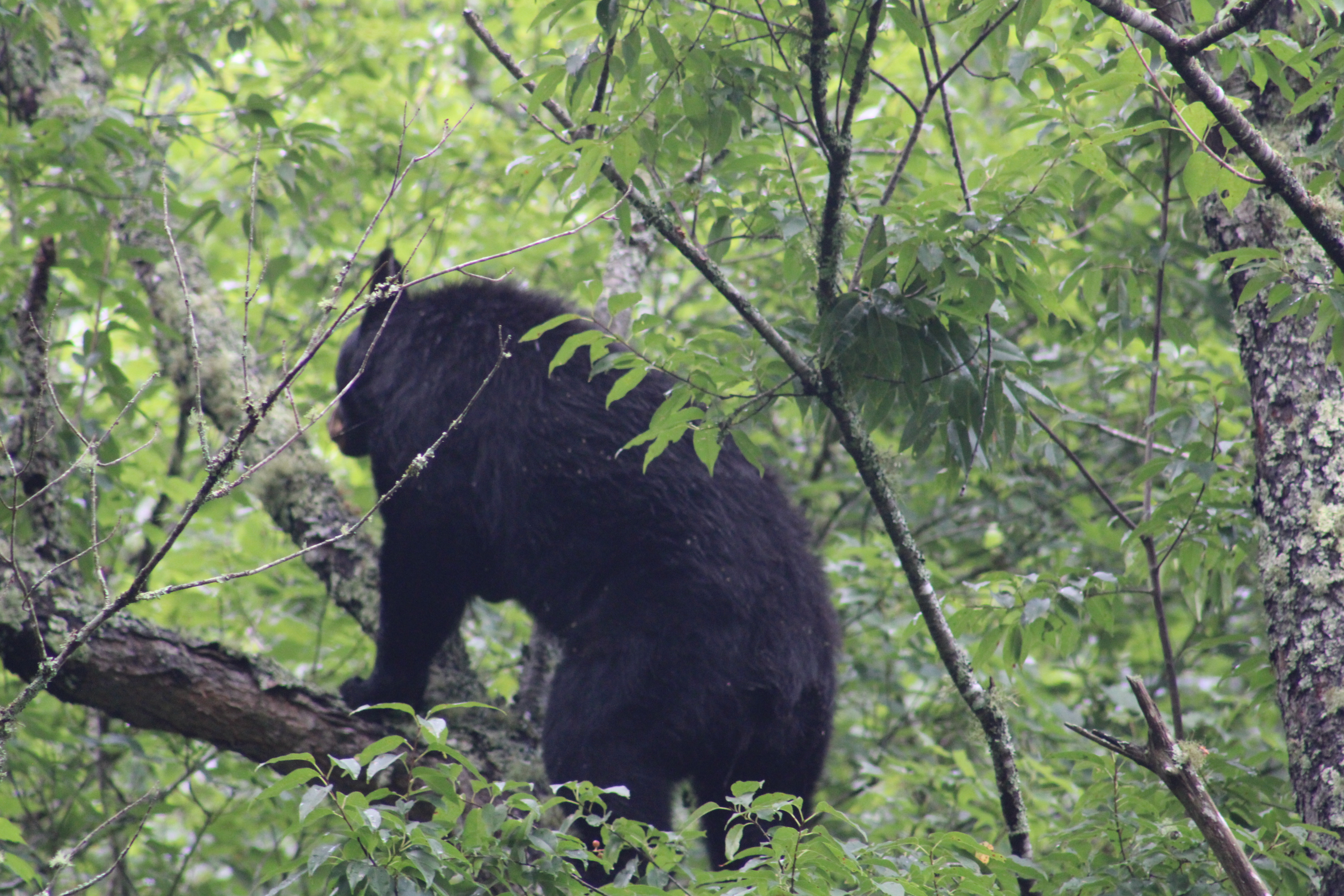


Just for the record, every park rule governing bear encounters was broken. And we have the photos to prove it.


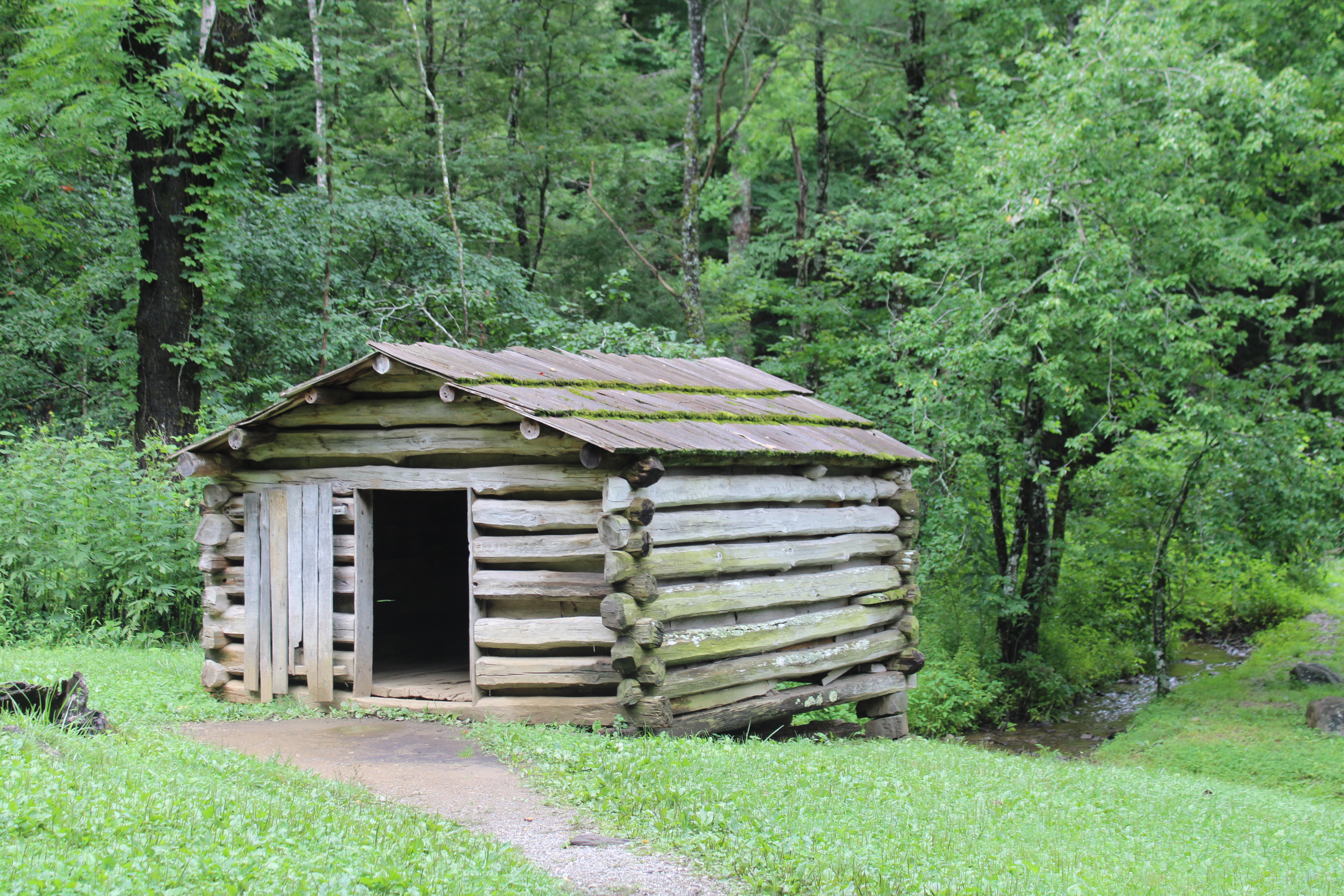
It was amazing how many structures were visible throughout the loop.
Tipton Place:
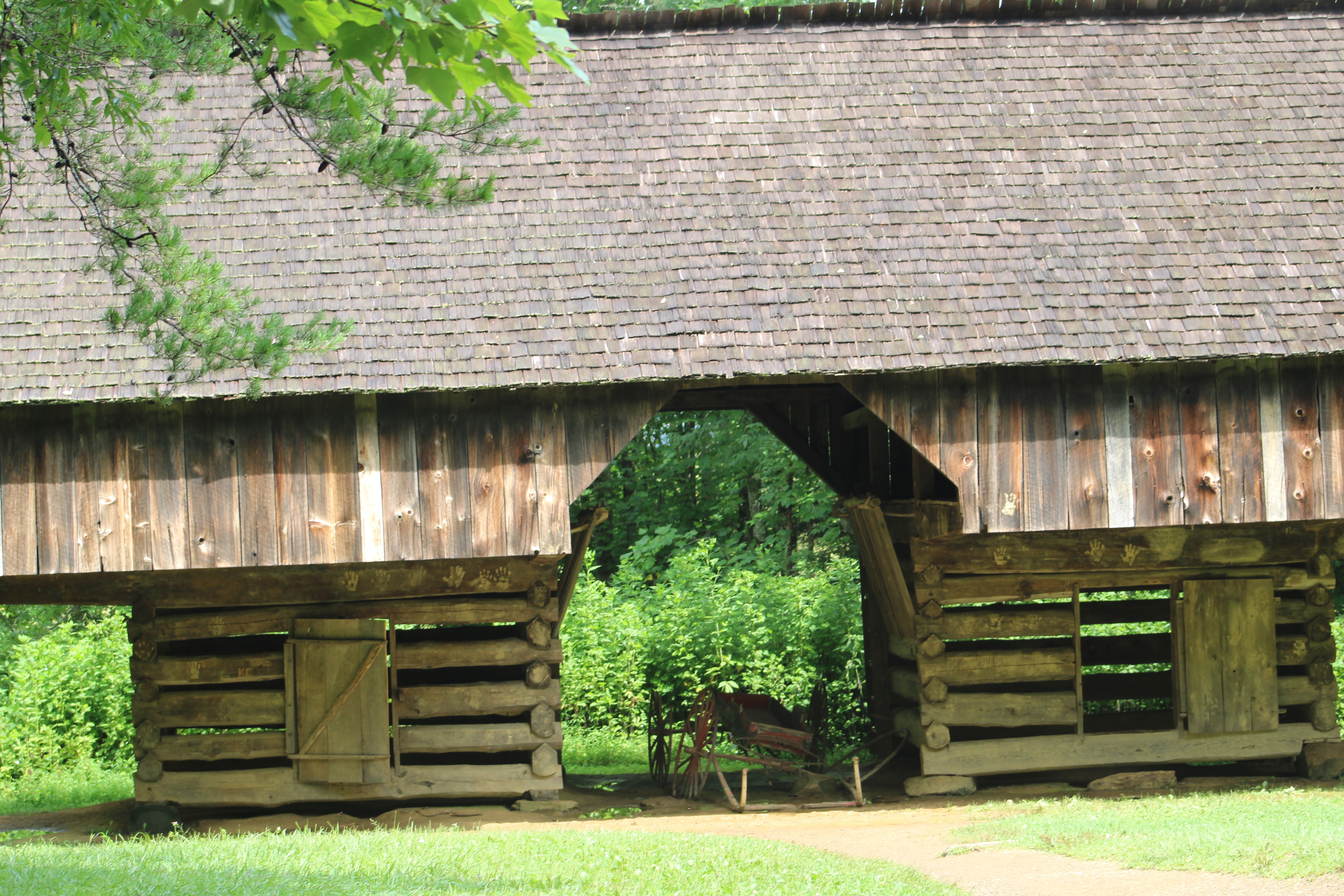

Carter Shields Cabin:
Inside
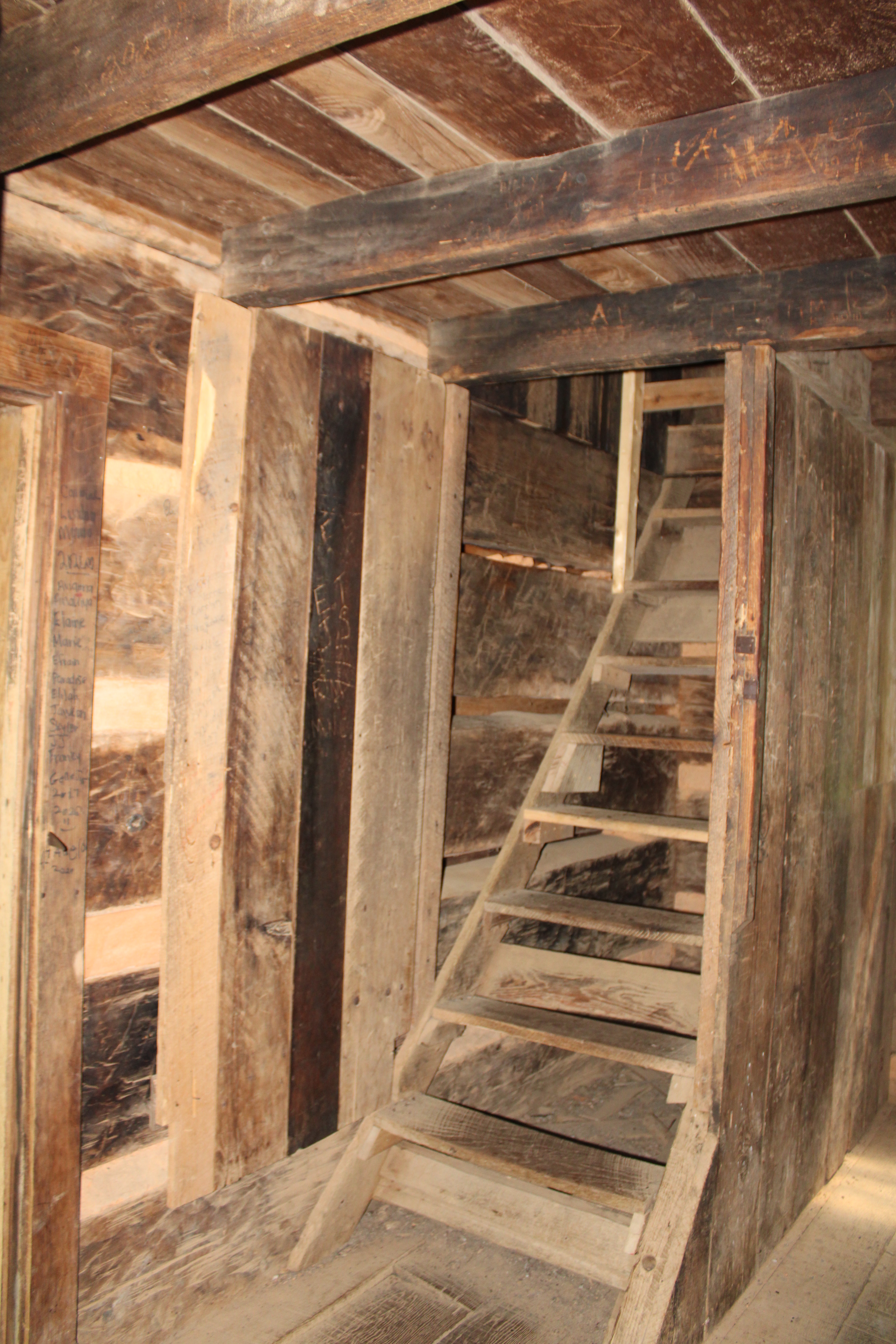
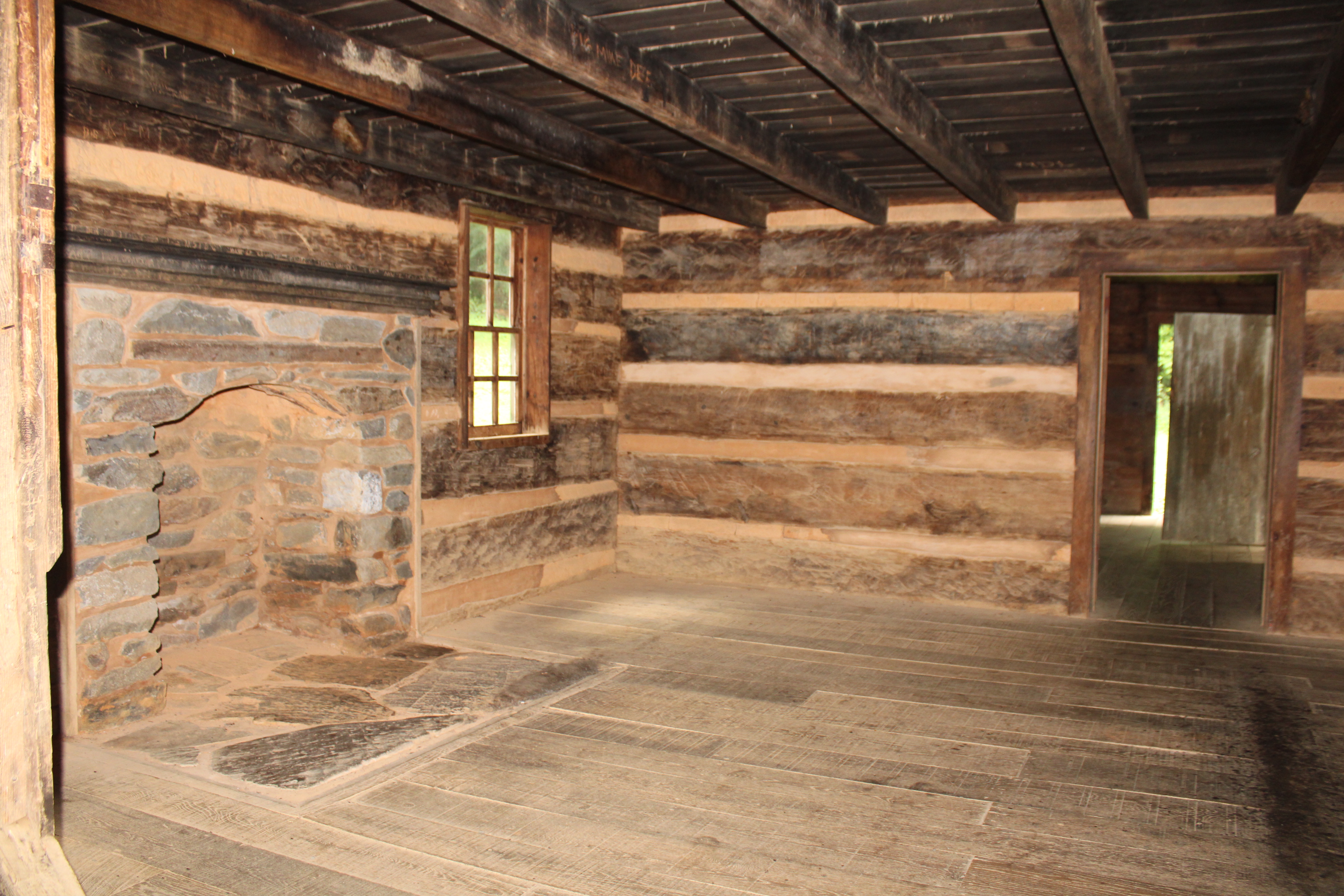

And Out


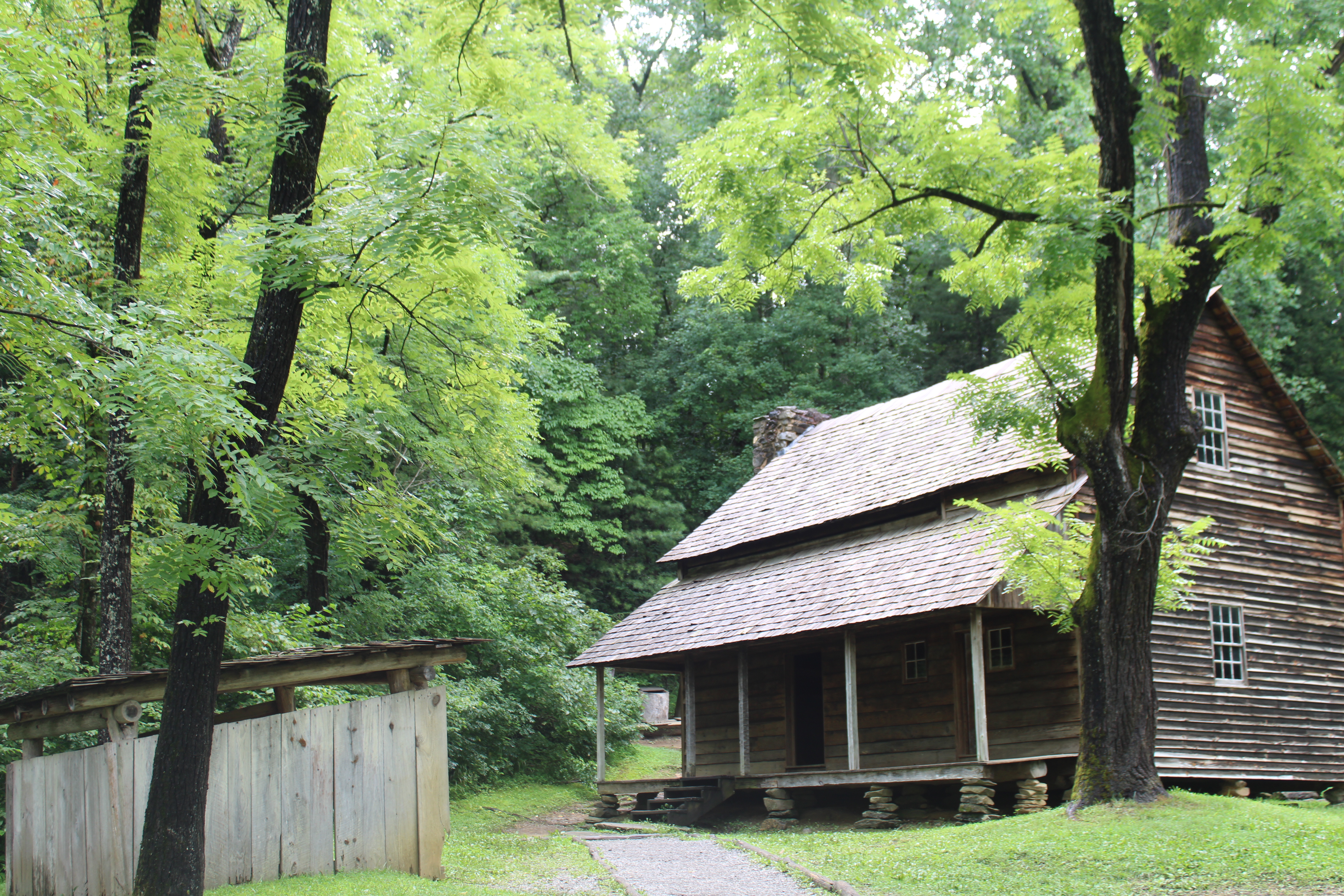
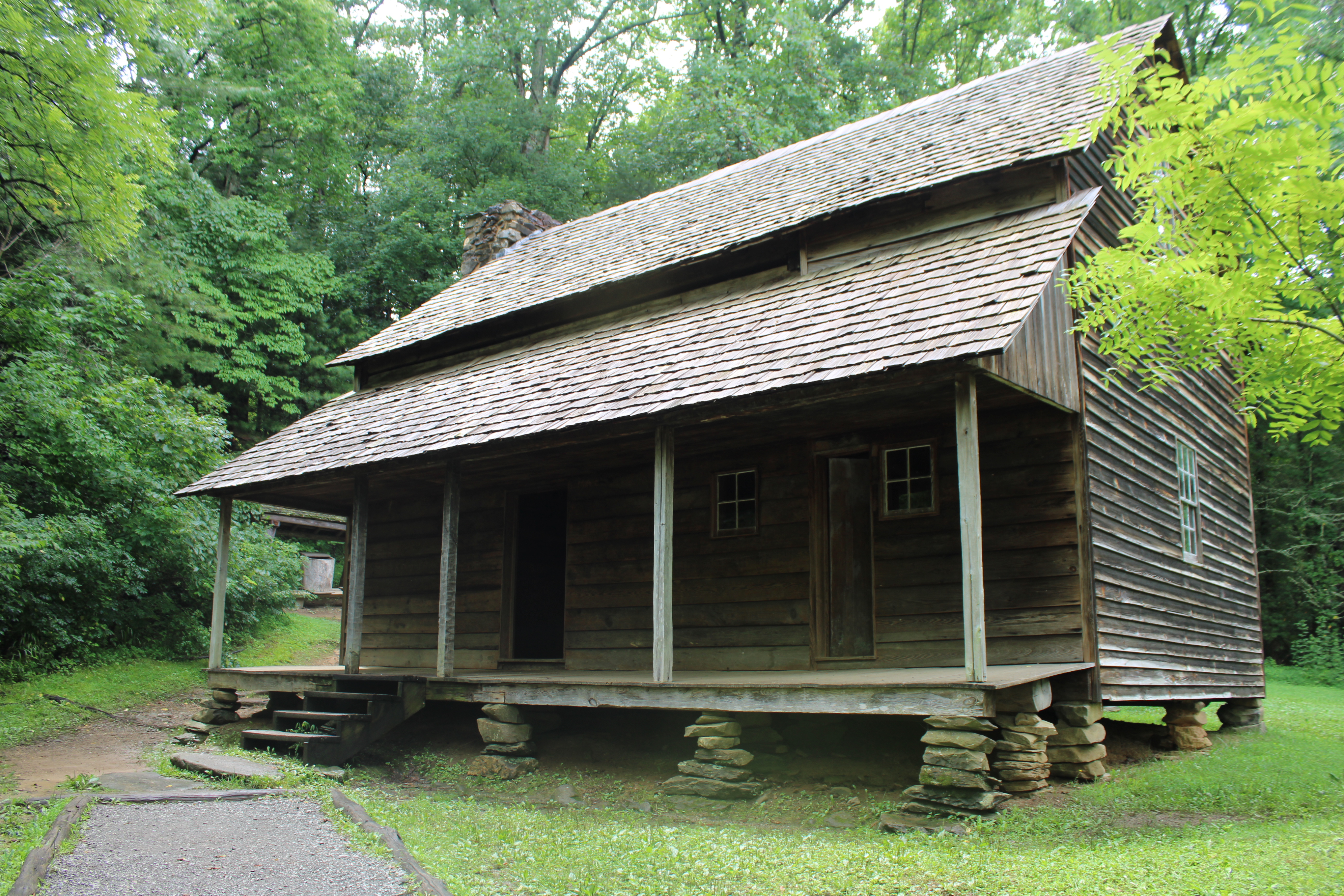
Countless examples of Mountain Homesteads and nature seem to greet you at every turn.



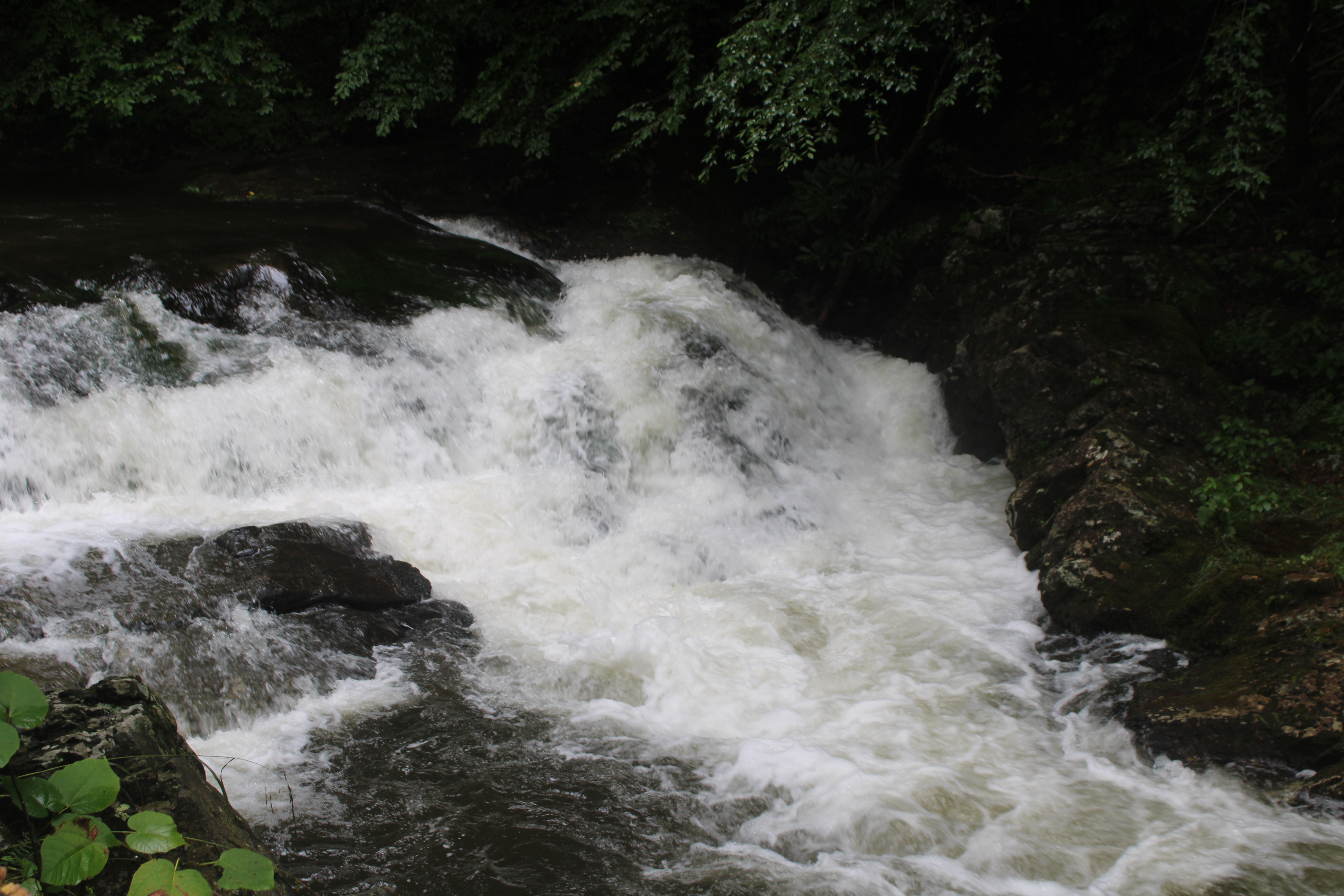
At the end of the loop we crossed a fast moving river for the second time. While ignored on the first crossing, there was no way to resist the beauty of mountain waters the second time around.



When visiting this part of the country, you need to know the reason everything is so green is because it rains – and rains – and rains. In the early morning hours and late evenings you can count on rain. And then there’s that unexpected mid-day burst from the sky.

Actually the rain is a relief in a strange way from the sweltering humidity of summer. All you need do is to travel the highways and byways to realize the rain and humidity are so worth it. Tennessee is a beautiful green rolling landscape with a church on nearly every corner.


Oh, and if you get the chance, check out Bennett’s Pit along the Pigeon Forge Strip for some amazing barbecue.


Tomorrow it’s off to Kingsport and Jonesburg in the far north-eastern part of Tennessee. And this just happens to be the part of Tennessee we hope to one day call home. More on that later.


Thanks Rosemarie, I enjoyed the tour- such pretty countryside, lots of old wooden structures and, of course, the tree climbing bear.
LikeLiked by 1 person
It was a great day.
LikeLiked by 1 person
I did the loop back in 2018 and it was indeed beautiful. I wished that we had planned time to do some hiking. We did walk up the steep incline to Clingman’s Dome. Fog started to roll in and then it poured all the way down. It was worth it.
One thing that I wanted to mention were the tourists on the loop. It took much longer than expected to do even a small part of the loop. The reason is that people get out of their cars in the middle of the road to take pictures of the cubs in the trees and they did not park off to the side. This prevented others from driving through. I think that we sat in one spot for 30 or more minutes. This happened frequently enough that I exited the loop. It was very frustrating.
LikeLike
It is frustrating. People sometimes forget that there are other people in this world. The same thing happens in Yellowstone. If a bison shows up, you are sitting for nearly an hour. When we saw the animals, we always pulled off the road, even if it meant walking back to where the animal was. We made it a point to go during the week, and even then it was about 5 hours.
LikeLike