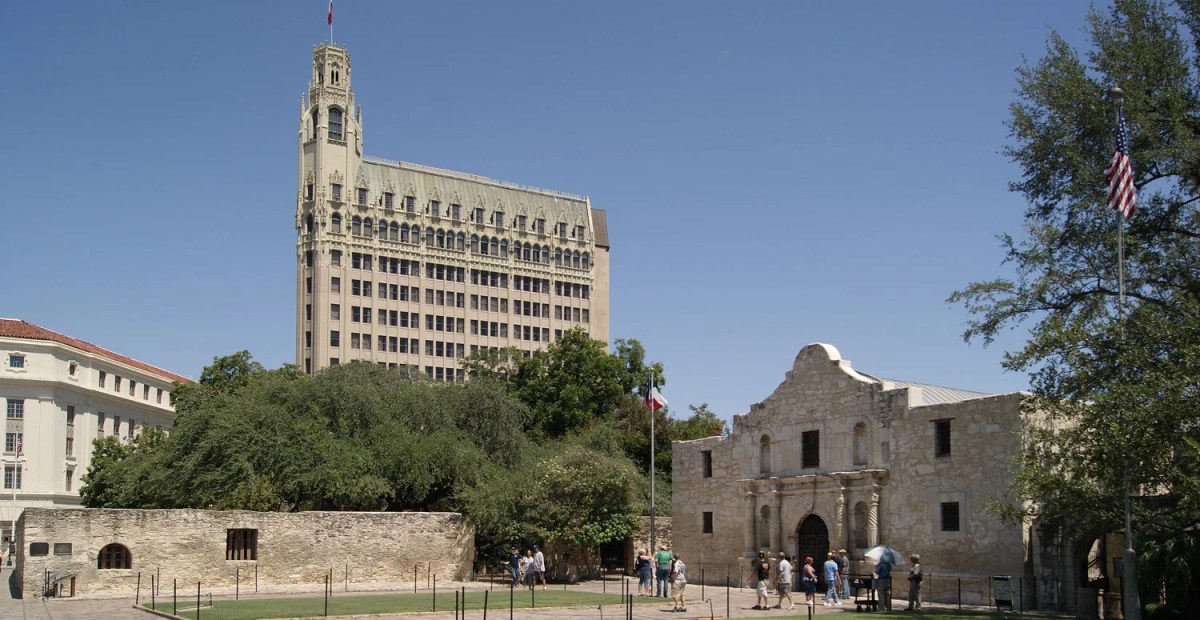
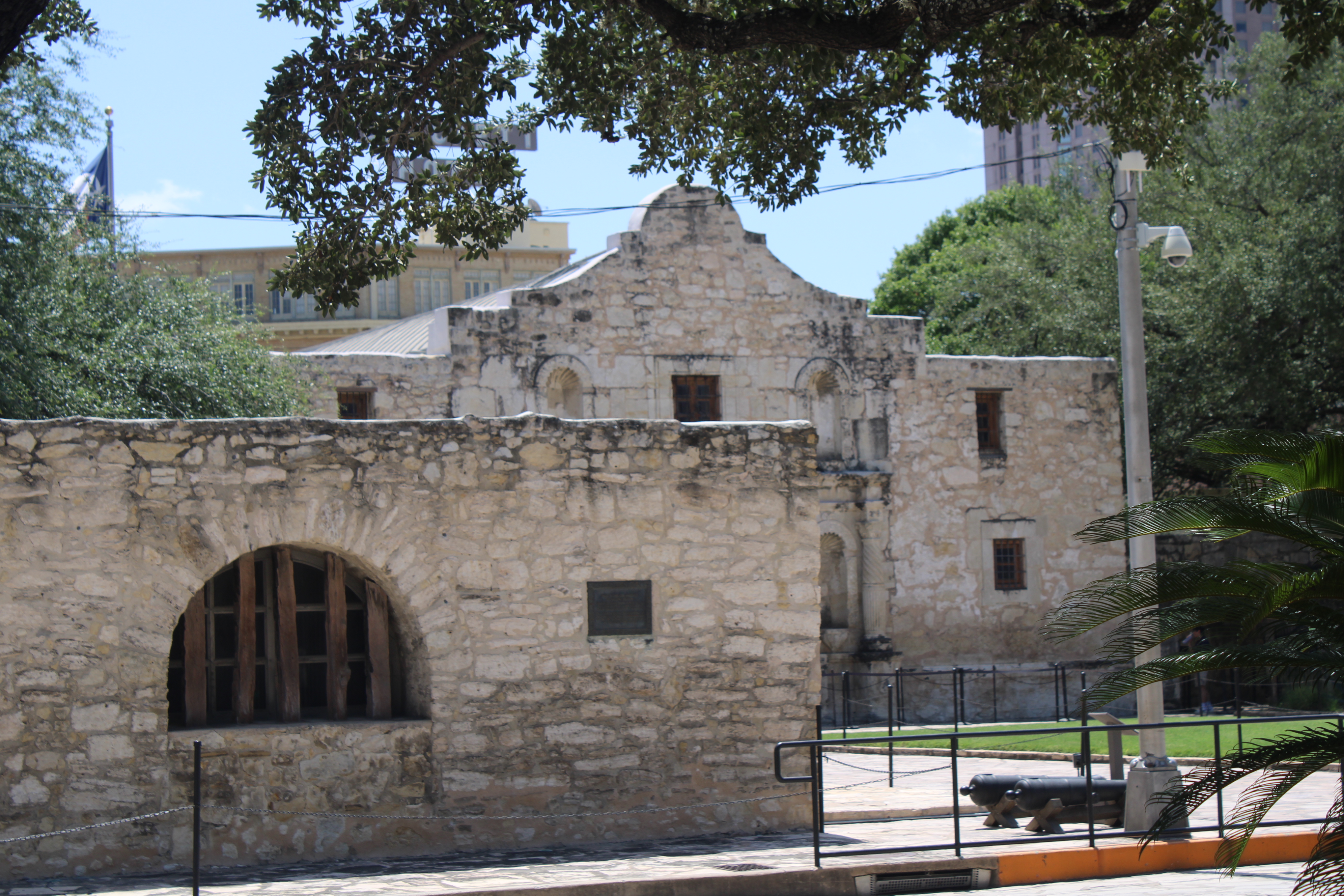
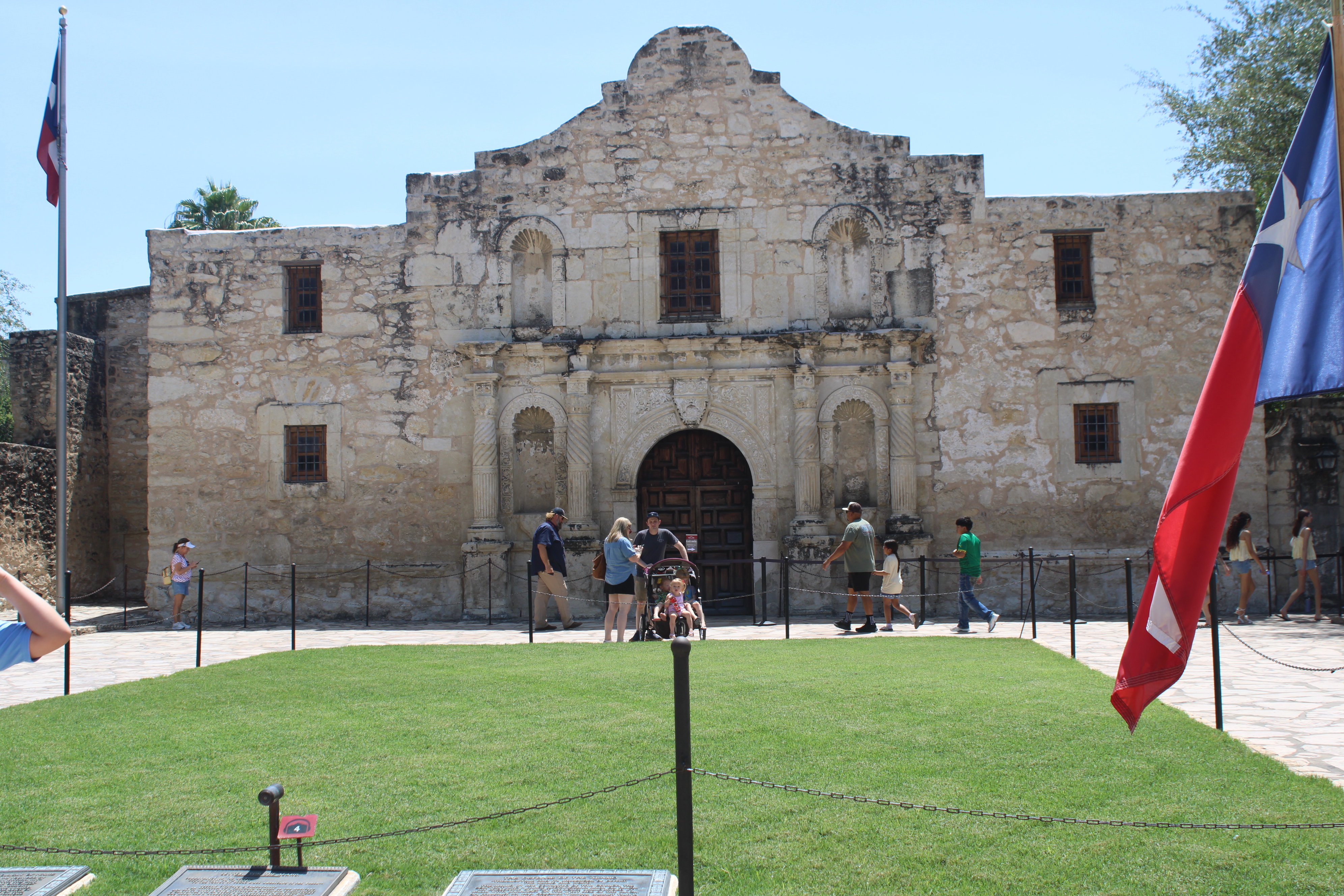
No visit to Texas can be complete without a visit to the Alamo. When I told my Dad we planned to visit the Alamo, he warned me that I might be disappointed.
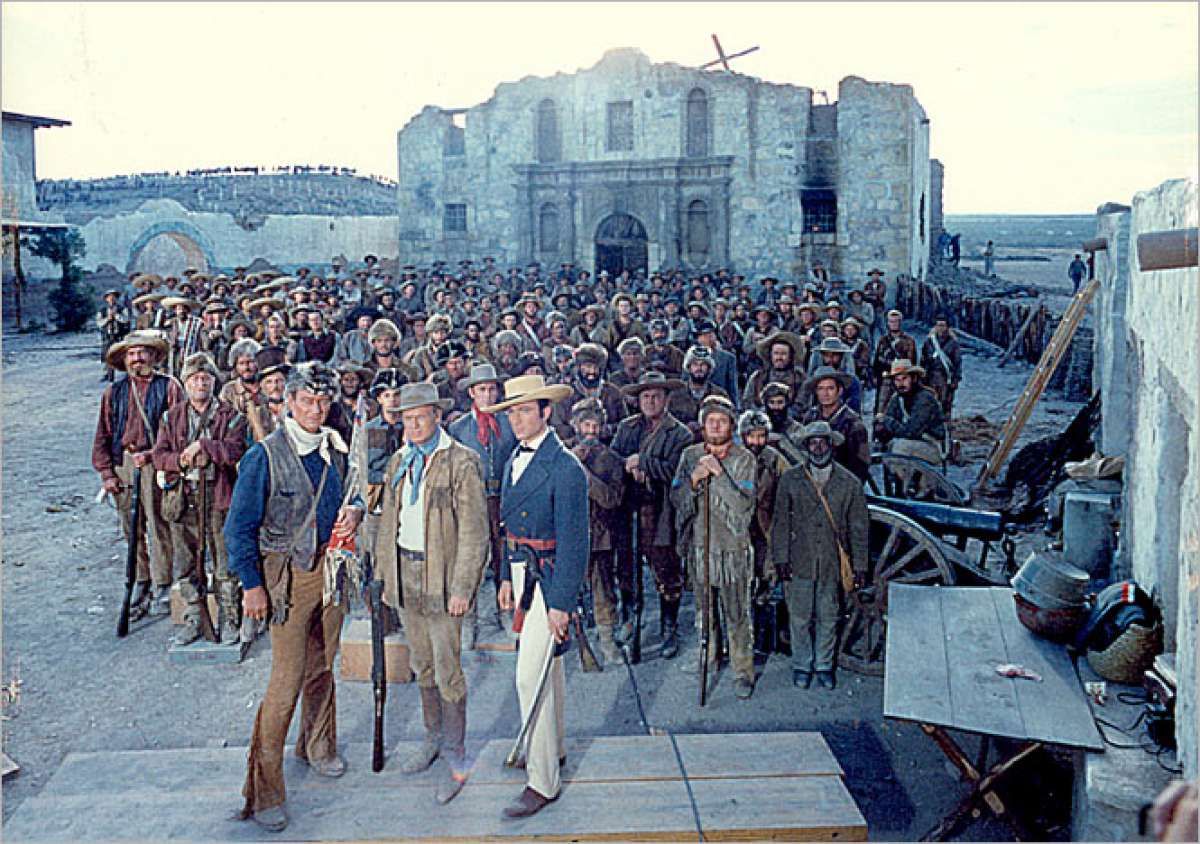
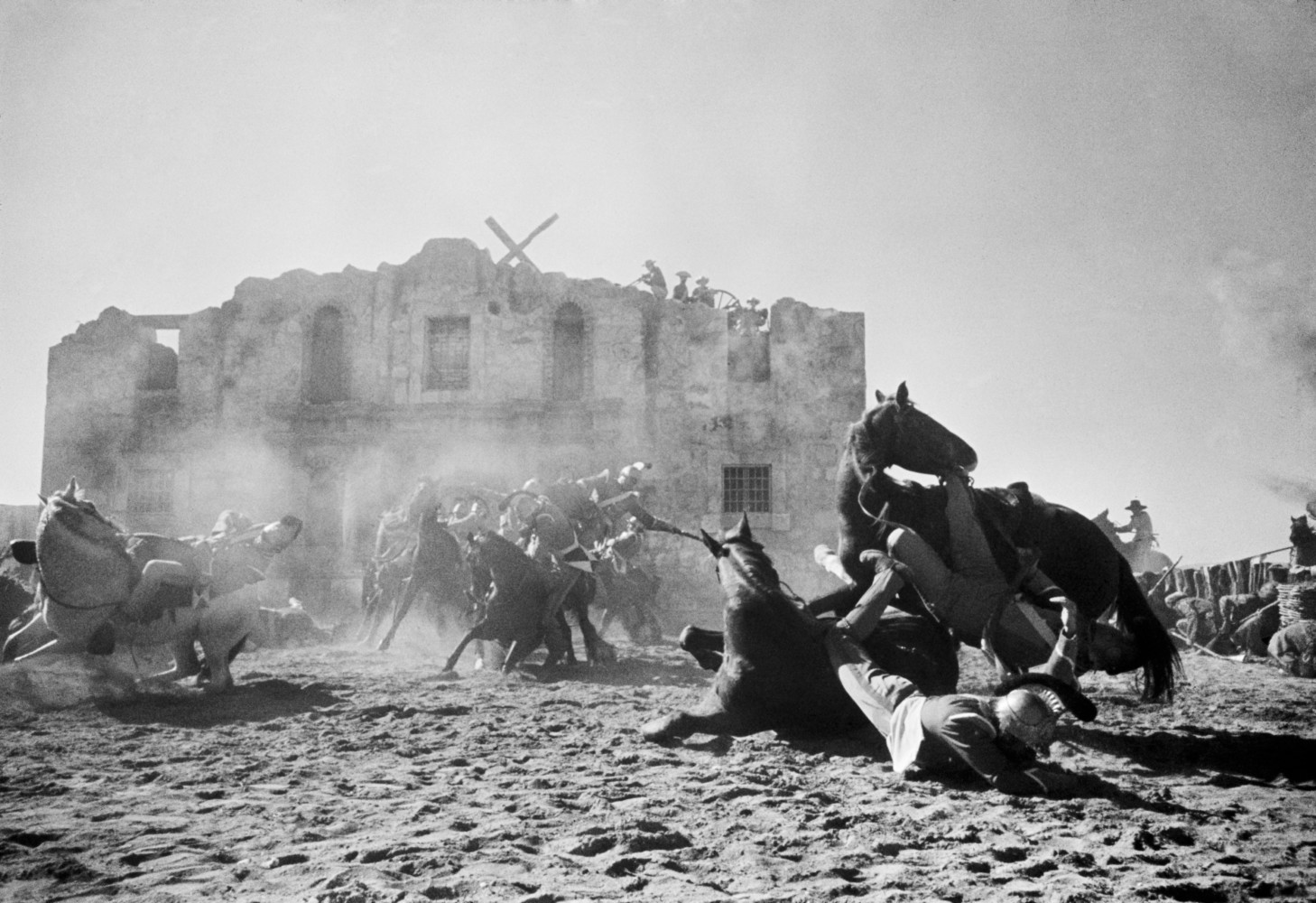
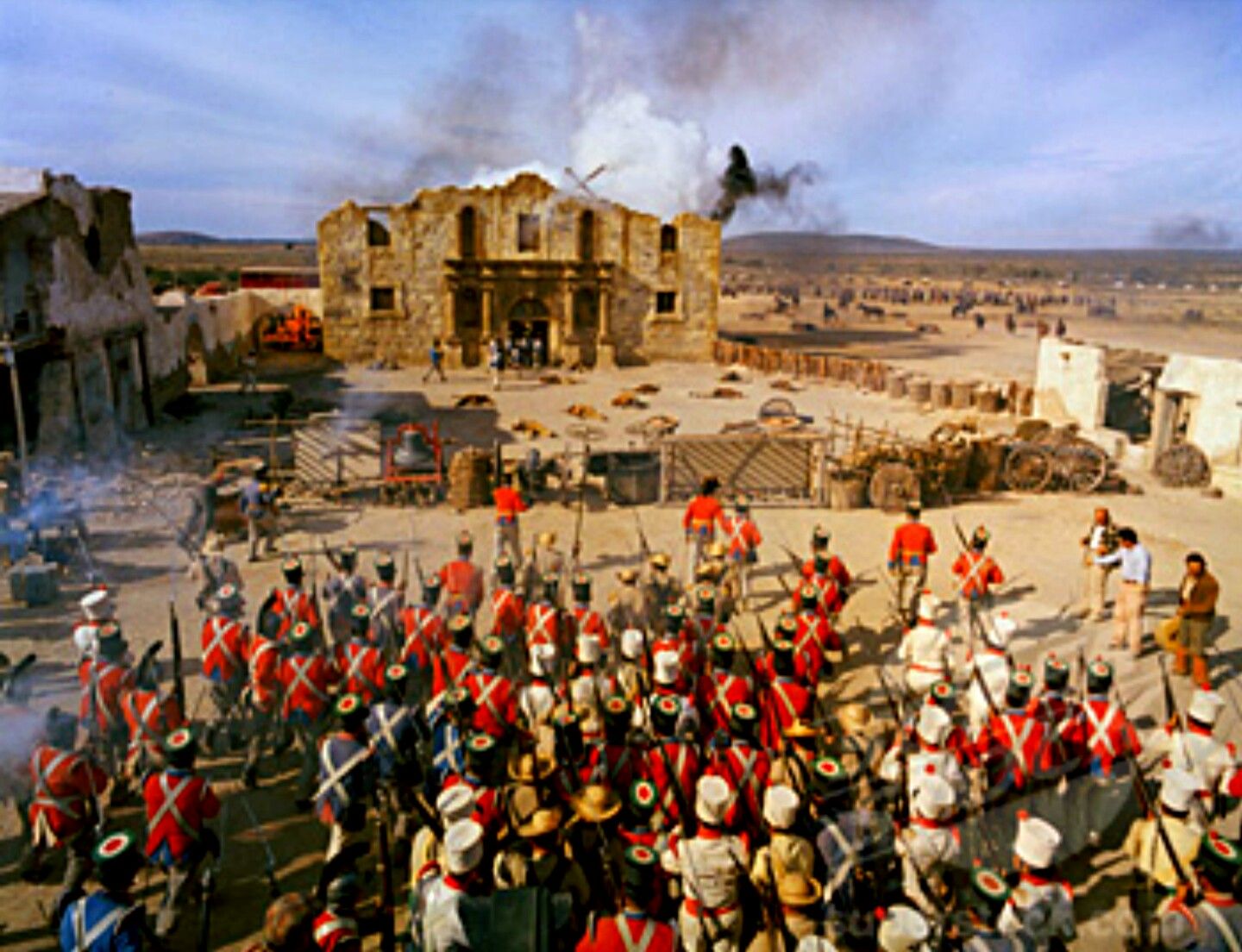
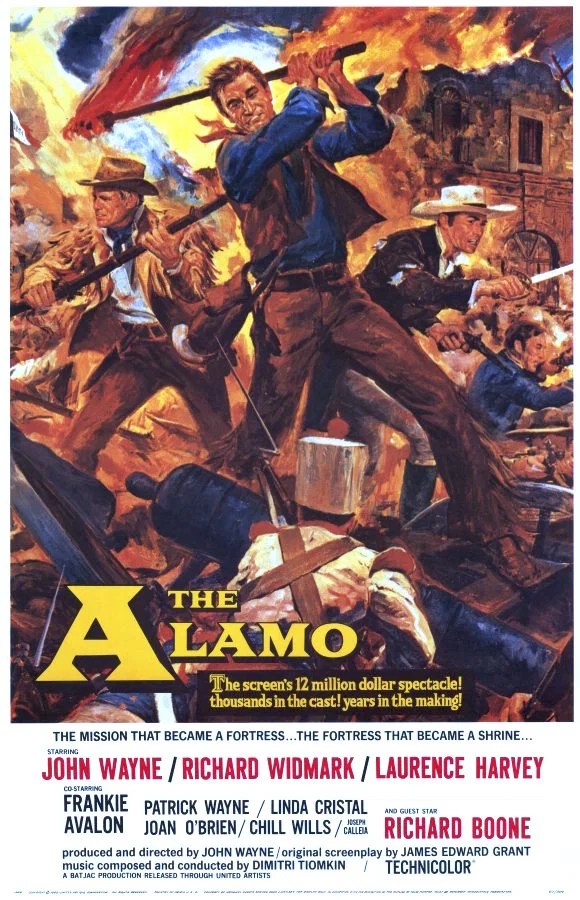
It seems my father thought he’d be visiting John Wayne’s Alamo, and not the remains of a mission in the heart of San Antonio, surrounded by skyscrapers and city traffic. I knew better. John Wayne’s Alamo hasn’t existed for a very long time. But what it means to Texas lives on.
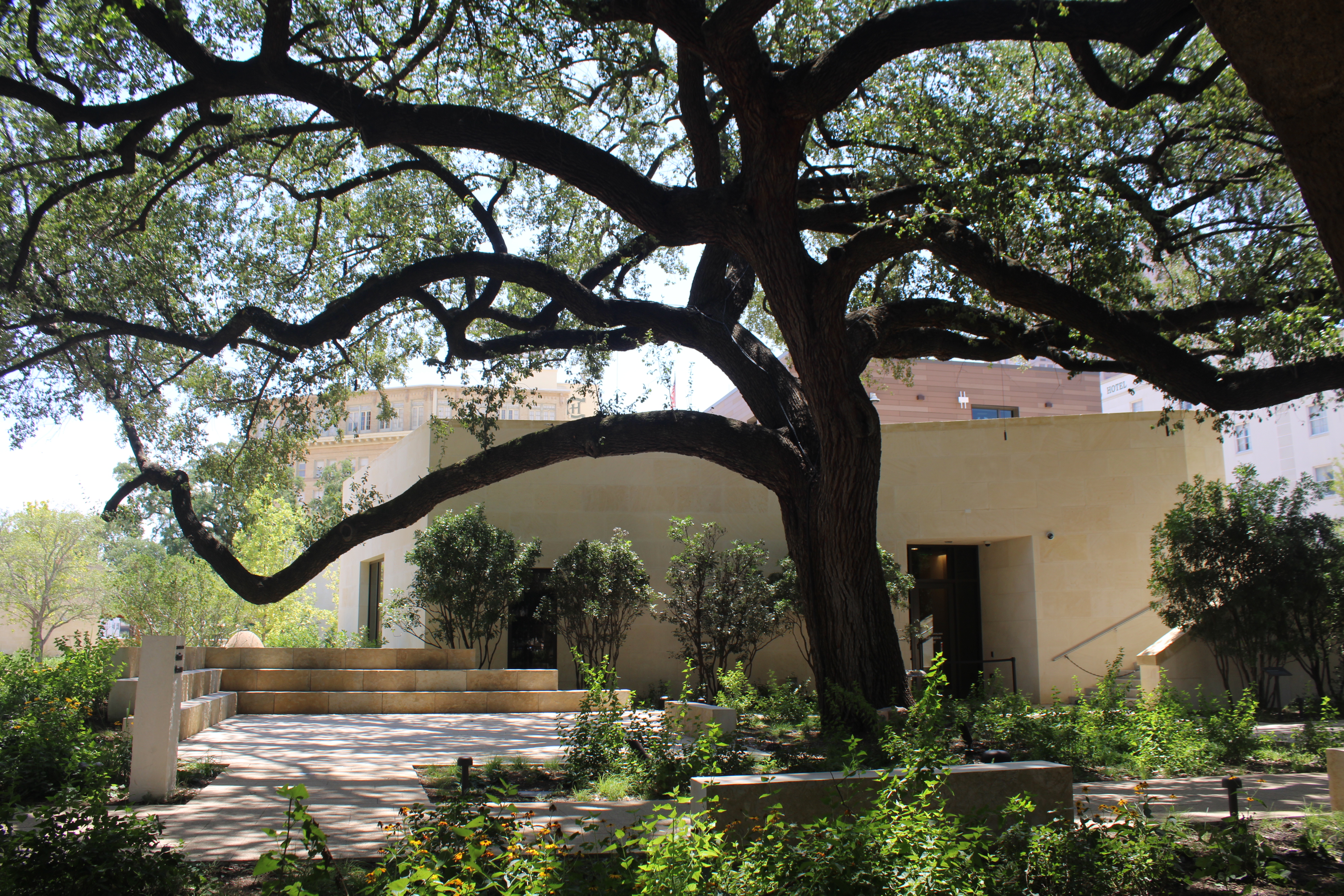
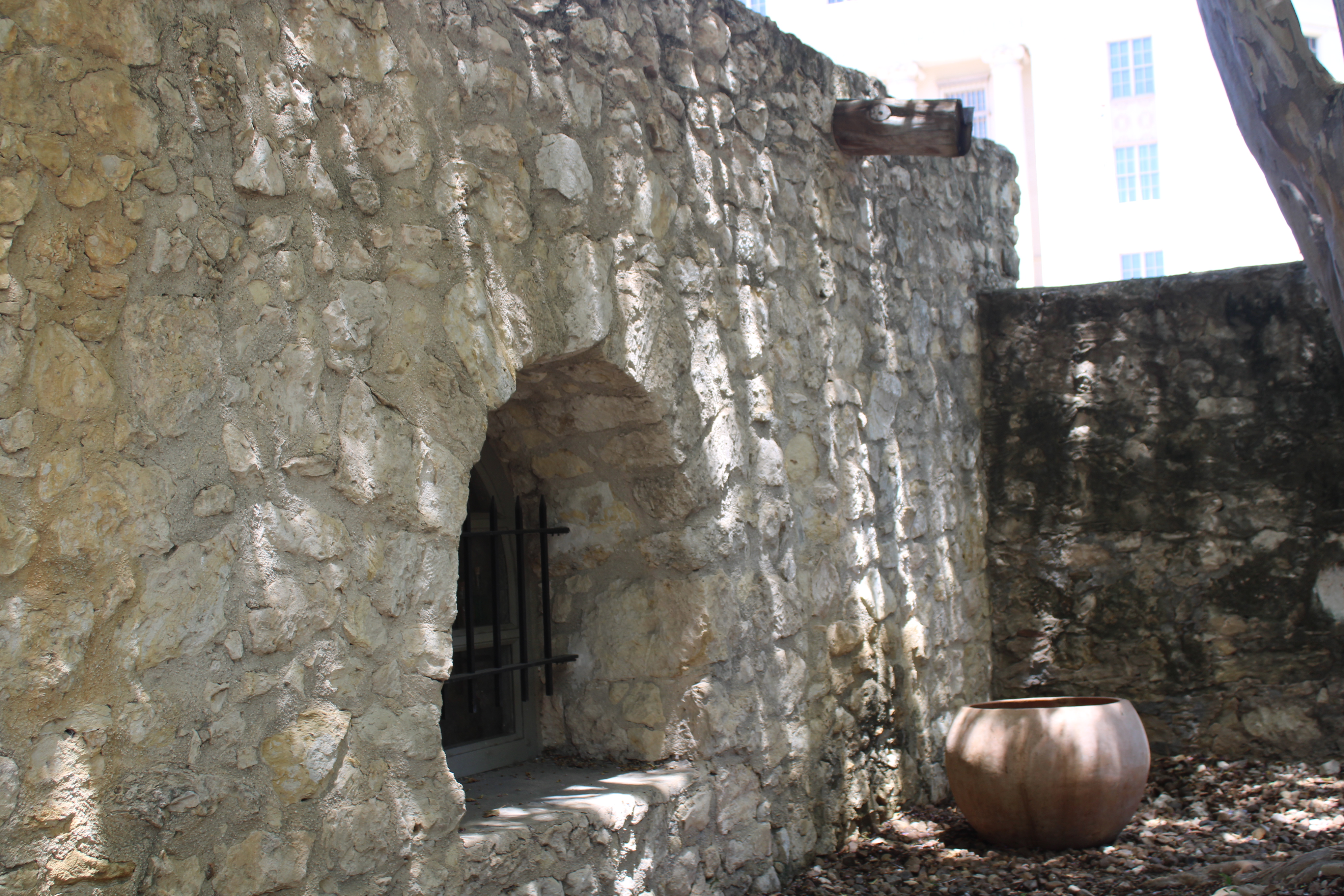
Misión San Antonio de Valero was one of the earliest Spanish Missions built in Texas. The land that is now Texas was first claimed by Spain in the 16th century. The Spanish began establishing their missions in 1680, and continued to do so for the next ten years. Missions were seen as the key to the conversion of Native Americans to Catholicism, to educate them according to the European concept of civilization and perhaps one day welcome them as Spanish Citizens in a new world. For unknown reasons the Alamo was secularized in 1793, divided up among the residents for a time before being completely abandoned by the Spanish. In 1803 some 100 Spanish lancers returned to the Alamo to fortify it. While Spain had returned the Louisiana Territory to France in 1800, and France had in turned sold the land to the USA in 1803, Spain still clung to the territory of Texas as a part of Mexio. Spain had reason to fear a US invasion into Texas. The now fortified mission would take its name from the cottonwood trees nearby (Alamos) and the Mexican company itself, La Compañía del Alamo or El Álamo. In 1809 rumors of a pending US invasion were swirling about, and the El Alamo Company began reinforcing the existing walls of the mission while expanding the complete further south. What was once a mission was now a fortress.
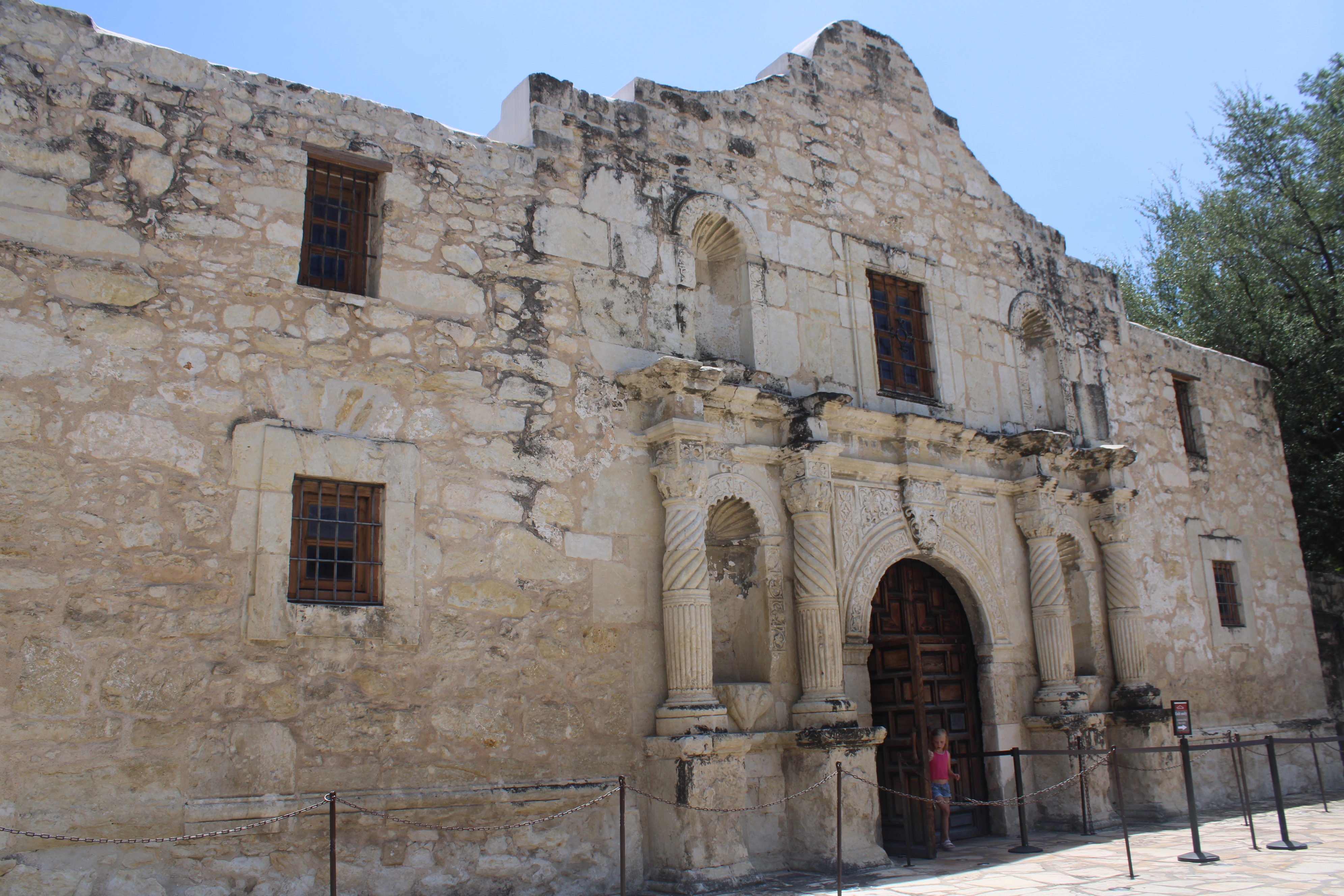
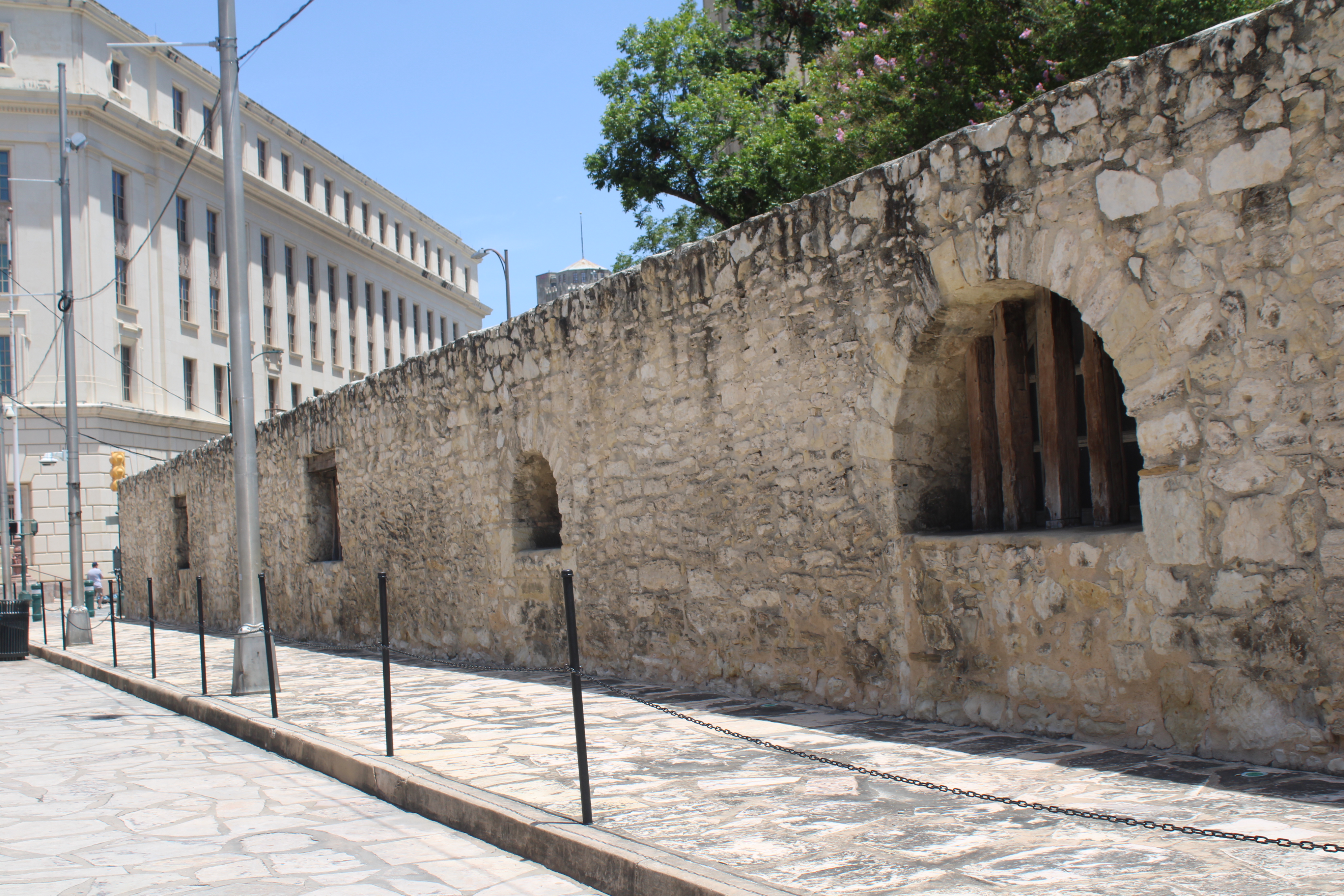
Remember the Alamo has been a battle cry for Texas since before there was a Texas. Many things led up to Texas declaring its independence from Mexico. For the most part, Texans were southerners in their views and politics. This included the use of slave labor. In 1823 Mexico passed a law forbidding the sale or purchase of slaves in all it’s territories, including Texas. The law also required all children of slaves be freed upon their 14th birthday. Any slave introduced into Mexico by purchase or trade on Mexican soil would also be freed. This was the first legislative law enacted that was aimed directly at the Anglo Colonies in Texas. In April 1929 the Mexican President, Anastasio Bustamante signed into law an order for all Texans to comply with the emancipation proclamation or face military intervention. The colonists responded by declaring slaves to be life-long indentured servants rather than property. In 1830 Mexico passed a law resending the property tax exemption law that had allowed immigrants to settle in Texas and not pay property taxes for ten years. Tariffs were increased on all good entering Mexico from the United States. All Colonial Settlements were to be brought under Federal rather than local control. Any Settlement with less than 150 inhabitants was dissolved. No immigration from the United States into Texas would be allowed. This measure was widely ignored, and by 1834 an estimated 30,000 Anglos lived in Texas compared to only 7,800 Mexicans. When Texas declared its independence from Mexico, only a handful of Mexicans held the Alamo. They were driven out by a small group of Texans.
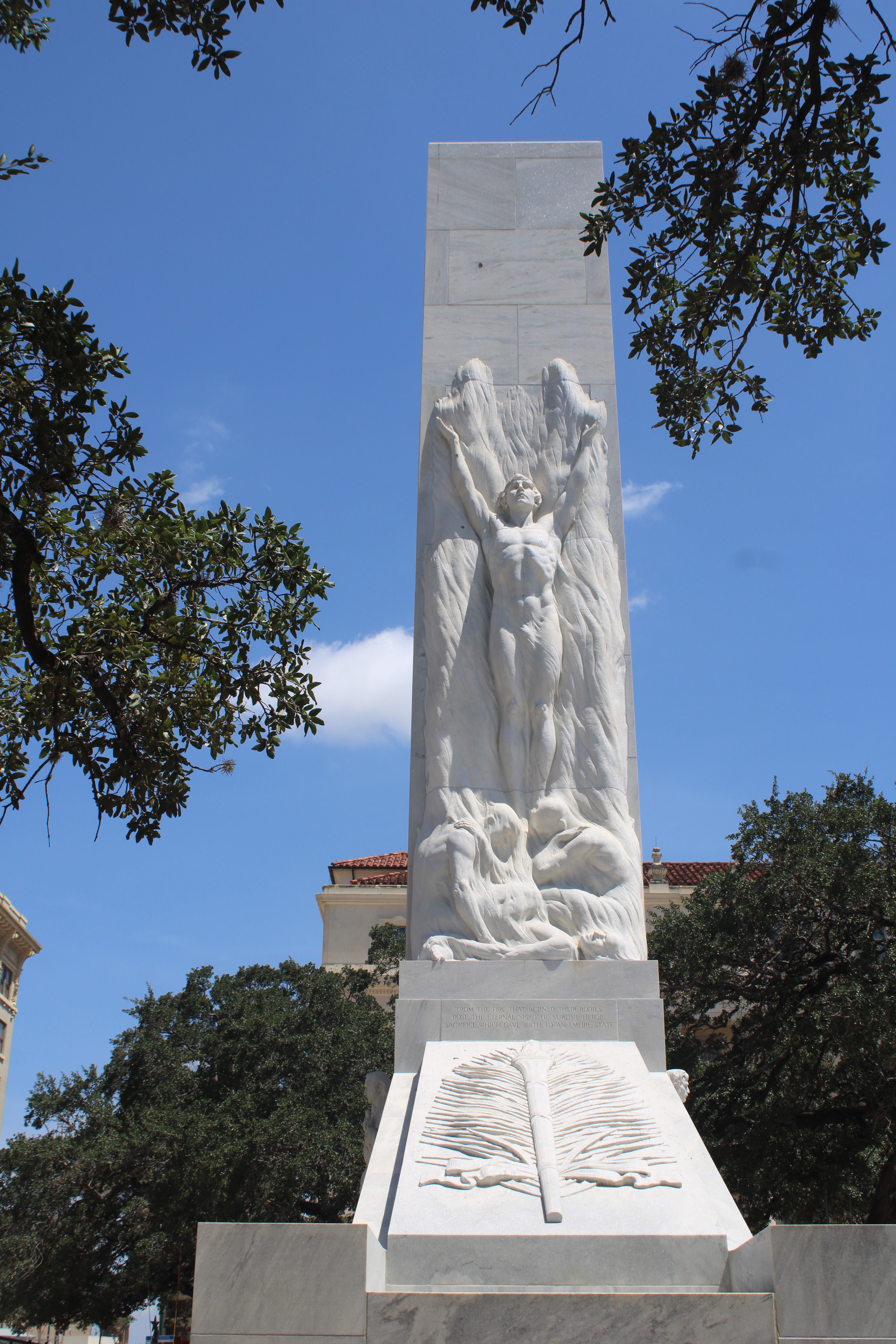
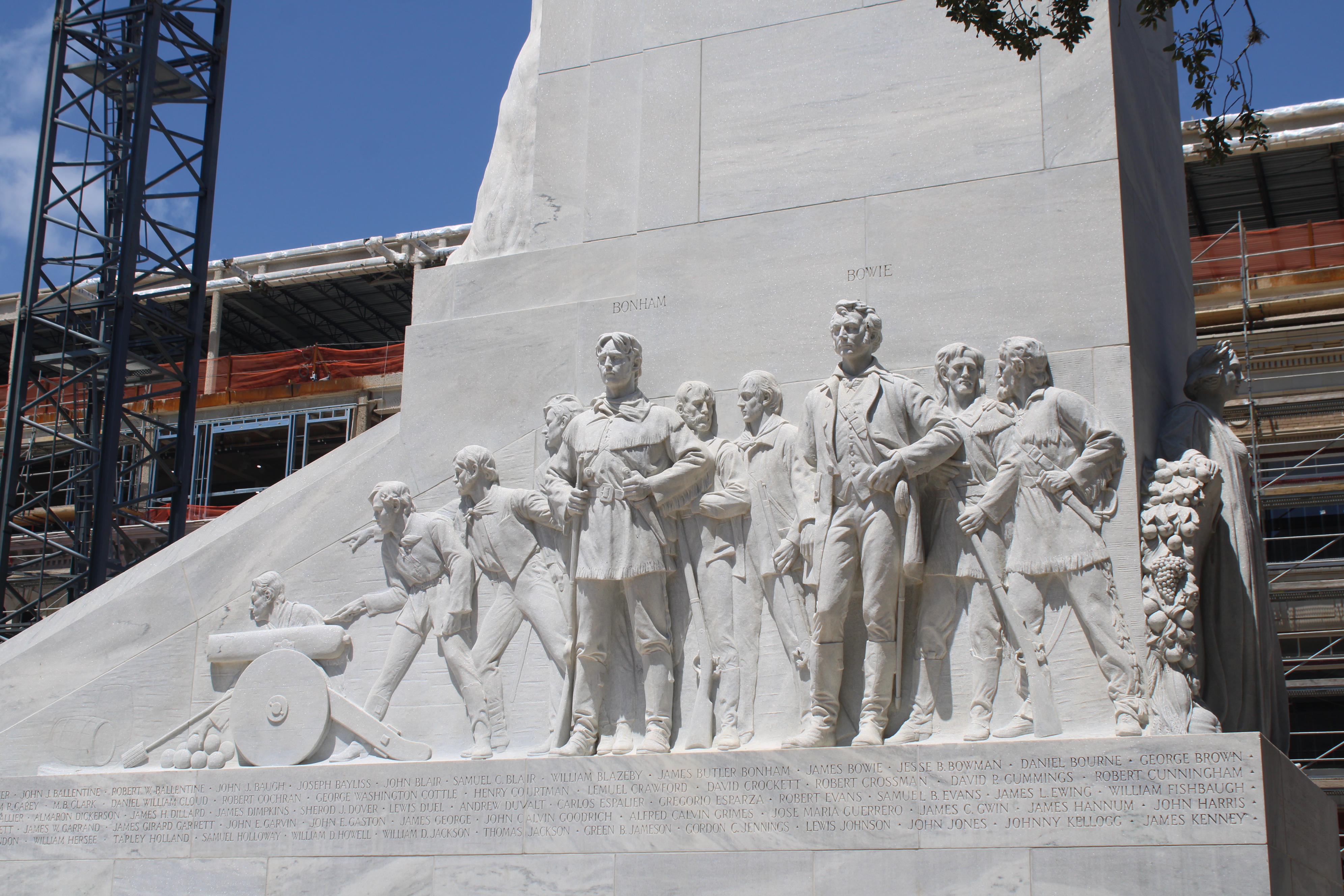
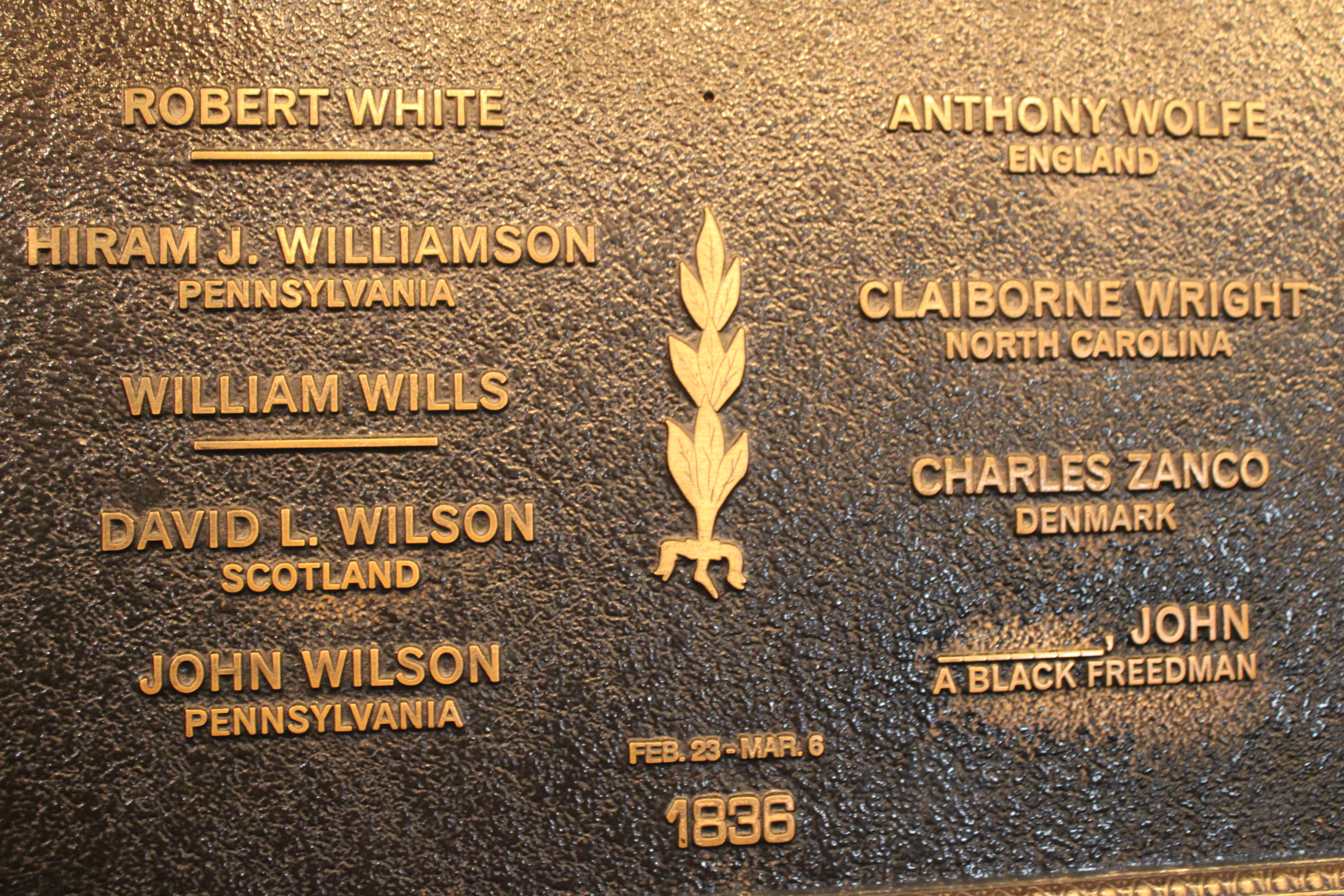
When General Santa Anna marched on the Alamo in February 1836 he had with him thousands of soldiers. The Alamo was defended by a small group of Texan volunteer soldiers. Though vastly outnumbered, they stood their ground for 13 days. James Bowie, William Travis and frontiersman Davy Crockett were among those who gave their lives at the Alamo. Santa Anna was disappointed. He had wanted to face Sam Houston, who was elsewhere gathering troops to reinforce the Alamo. When Sam Houston learned that the Alamo had been lost, he retreated. His men thought he was a coward. Santa Anna thought he had Houston on the run. No one realized that Houston was searching for the Waterloo. Santa Anna fancied himself to be the Mexican equivalent to Napoleon, And like Napoleon, he was to face defeat at a Waterloo of Houston’s choosing.
Once the Mexican Army was defeated, many called for the execution of Santa Anna. They shouted Remember the Alamo. Houston did not seek blood shed for blood shed. He wanted and negotiated the independence of Texas in exchange for Santa Anna’s life. That sense of independence runs deep in Texans today.


Thanks for the history lesson
LikeLiked by 1 person